
Azad Kashmir Protests
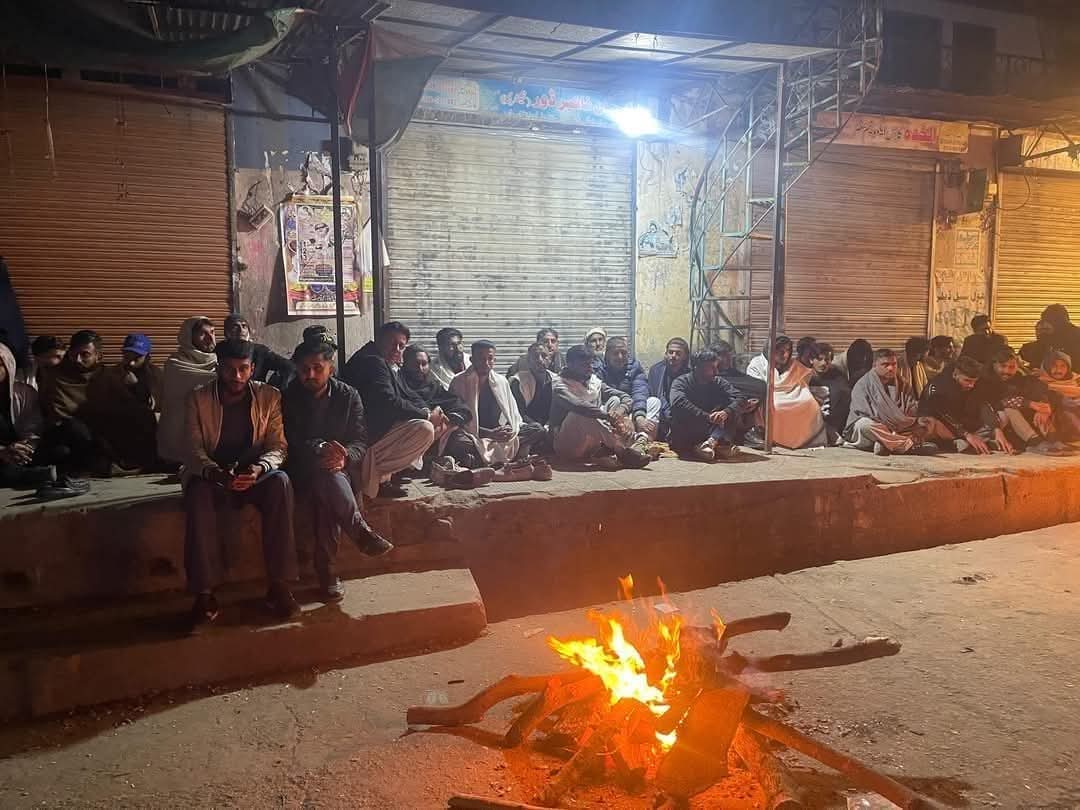
The failure of the Joint Public Action Committee’s strike in Azad Jammu and Kashmir on September 29, 2025, is not just a political episode but a statement of where the public stands. People chose not...

The failure of the Joint Public Action Committee’s strike in Azad Jammu and Kashmir on September 29, 2025, is not just a political episode but a statement of where the public stands. People chose not to back the call for disruption, and that choice carries weight. It shows that stability and forward momentum matter more to them than political gamesmanship that does little to address daily concerns.
Azad Kashmir Protests
What really shaped this outcome was the memory of how effective direct relief measures have been in the past. Over the last two years, the government rolled out subsidies on essentials that hit exactly where households were struggling most. Food support programs helped bring down flour costs, while electricity relief lightened the pressure of monthly bills for the majority of families. For many, these measures were not abstract promises but concrete changes they could feel in their kitchens and homes. That kind of impact lingers, and it sets the bar for what the public expects: action that improves their lives rather than slogans or strikes that only interrupt them.
The JPAC, in contrast, walked into this moment without offering anything comparable. Instead of presenting a clear plan to solve economic worries, its leaders appeared divided and inconsistent. Just days before the strike, their differences spilled into the open. One wing advocated for confrontation, while the other insisted on negotiation, leaving citizens with the impression of a group unable to agree even among themselves. At a time when people are already cautious and tired of empty agitation, that display of disunity was costly. It suggested that the committee’s real priorities lay not in Azad Kashmir’s welfare but in internal rivalries and outside agendas. That’s not the sort of leadership that inspires confidence.
The public’s response was telling. The people of Azad Kashmir revealed their intent a week earlier when, rather than pouring into the streets to back the strike, large crowds instead joined a pro-Pakistan march in Mirpur. This was not a passive rejection; it was an active show of allegiance and trust in the broader national framework that continues to guarantee development and security in the region. The message was that people do not want instability, and they are willing to make that clear in visible, collective ways. What makes this even more significant is that political parties that often disagree found common ground in opposing the strike. Their joint criticism reinforced that divisive street actions were not in anyone’s interest.
One of the more troubling tactics used by the JPAC was its attempt to delegitimize Pakistan’s security presence in Azad Kashmir by casting it as foreign. That rhetoric might have been designed to provoke anger, but it missed its mark. For most residents, the security forces are not outsiders but guarantors of order in a region where outside interference has always been a risk. Public trust remains high, and narratives painting the military as an occupying force ring hollow when weighed against the lived reality of safety and cooperation that people experience. The fact that JPAC leaned on this framing only made it look more aligned with external voices that thrive on sowing instability, rather than with the people it claimed to represent.
Seen together, these threads form a clear picture. The strike did not fail because people were indifferent. It failed because they actively chose something else: peace, progress, and credible governance. Relief policies, however limited or temporary they may be, signaled that the state was listening. In contrast, the JPAC signaled only discord and disruption. In a region where hardship is real and trust is fragile, that difference mattered enormously.
There’s also a deeper current running under these events. The rejection of the strike was not just about economics or politics in the narrow sense. It was an expression of identity and belonging. By turning away from a protest that positioned itself against the state and instead marching under the national flag, the people of Azad Kashmir affirmed their place in a larger story. They made it clear that their struggles will be met through constructive channels, not agitation that chips away at unity.
In the end, the strike stands as a reminder of what resonates and what doesn’t. Empty calls for disruption no longer carry the weight they once did, especially when set against the memory of targeted relief that eased daily burdens. The people sent a message: what they want is not division, but tangible steps that make life better and a future more secure. Their rejection of JPAC’s tactics underscored their patience, their patriotism, and their preference for stability over chaos. That’s the real lesson of September 29, 2025, and it will likely shape the choices of both leaders and citizens in the months ahead.
Author