

Meaning Behind Israeli Apology to Qatar
Israeli Prime Minister Benjamin Netanyahu on September 29, 2025, issued a rare apology to Qatar after an Israeli airstrike in Doha targeting Hamas leaders killed a Qatari security officer, an...

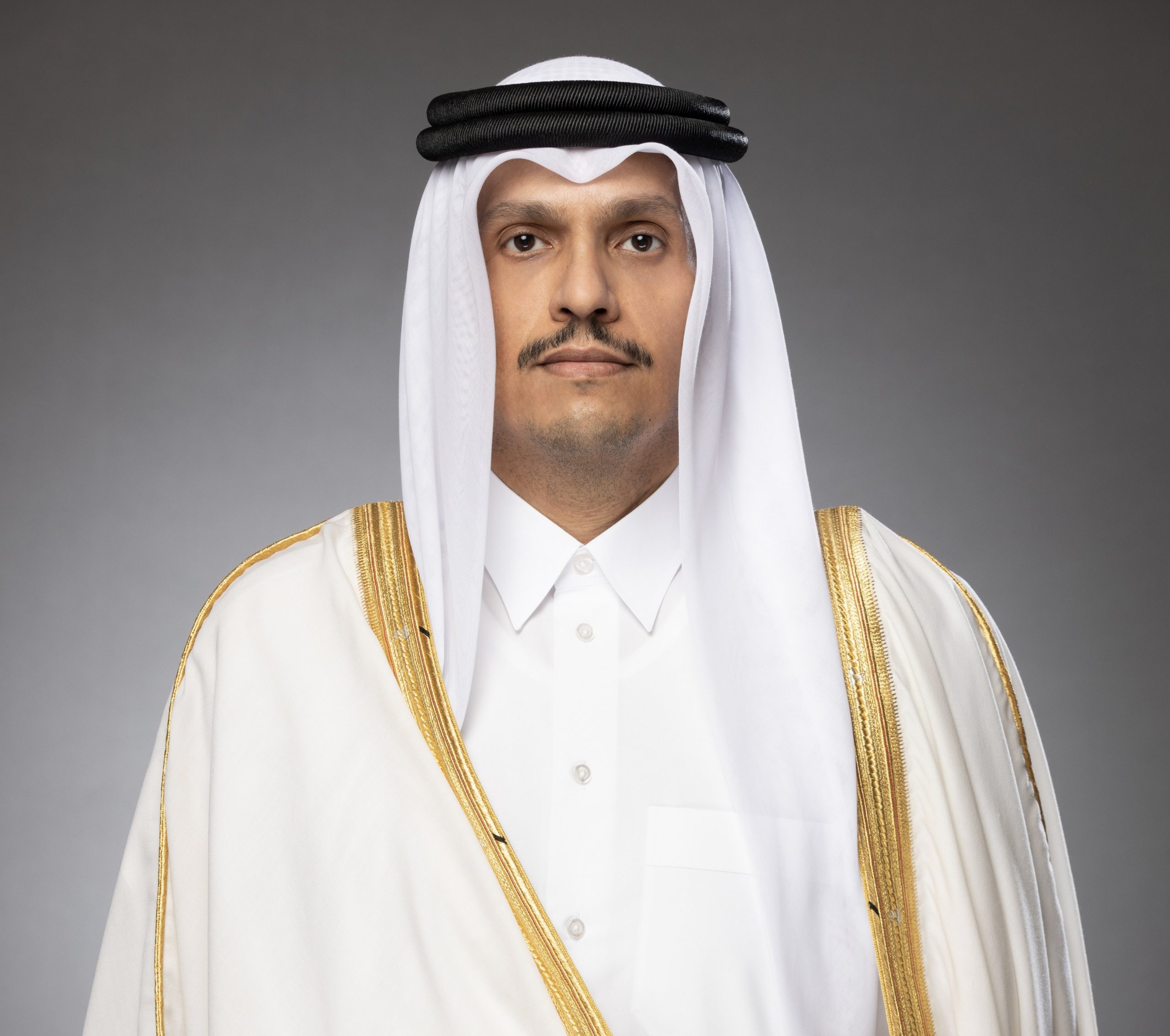
Israeli Prime Minister Benjamin Netanyahu on September 29, 2025, issued a rare apology to Qatar after an Israeli airstrike in Doha targeting Hamas leaders killed a Qatari security officer, an incident that provoked global condemnation for violating Qatar’s sovereignty. The apology was delivered to Qatari Prime Minister Sheikh Mohammed bin Abdulrahman bin Jassim Al Thani during a joint call mediated by U.S. President Donald Trump. Netanyahu pledged that Israel would refrain from such strikes in the future and offered financial compensation. Coming immediately after Netanyahu’s White House meeting with Trump, the gesture reflected not triumph but necessity, designed to restore Qatar’s place in ongoing mediation over Gaza and to highlight Washington’s ability to shape Israeli decisions at a critical moment.
Israel’s apology cannot be understood in isolation but rather as part of a broader diplomatic calculation. Historically, Israel has extended apologies in select moments where strategic relationships demanded repair, such as to Egypt in 2011 after border clashes or to Turkey following the Mavi Marmara flotilla raid. These apologies were not signs of weakness but acknowledgments of shifting circumstances requiring tactical accommodation. In this case, Qatar’s role is particularly pivotal. While not aligned with Hamas, it has repeatedly facilitated indirect negotiations between the group and Israel, brokering ceasefires and prisoner exchanges, while also hosting significant U.S. military assets. By addressing the violation of Qatari sovereignty and compensating for the officer’s death, Israel sought to preserve one of the few channels that can make future talks possible.
The timing of the apology was closely linked to President Trump’s unveiling of a sweeping 20-point peace plan for Gaza, calling for an immediate ceasefire, phased Israeli withdrawal, Hamas disarmament, and the creation of a transitional governing authority. For the plan to succeed, Qatari mediation is essential, and Israel’s acknowledgment of error was necessary to secure Doha’s cooperation. More importantly, the process underscored Trump’s growing influence. By orchestrating the call and pressing Netanyahu to extend contrition, Trump positioned himself as the central broker capable of aligning Israeli actions with regional diplomatic needs. The move reassured Gulf partners that the U.S. retains both the will and the leverage to restrain its closest ally, projecting Washington as the indispensable actor in the search for Middle East stability.
This episode also reflects the narrowing of Israel’s strategic options. The Saudi-Pakistan Defence and Military Agreement (SDMA) has created a new layer of regional coordination that complicates any reliance on coercive tactics. Stronger security ties between Riyadh and Islamabad mean that Israel cannot afford to escalate recklessly without risking broader pushback. International opinion is another constraint. The Doha strike was widely condemned not only by Arab governments but also across global forums, reinforcing Israel’s growing vulnerability to reputational costs. Sensitive to these dynamics, and aware that domestic hardline rhetoric cannot shield it from external consequences, Netanyahu’s government calculated that a conciliatory gesture was the only path to prevent further diplomatic isolation.
The decision, however, was met with sharp criticism at home. Hard-right coalition partners such as National Security Minister Itamar Ben Gvir, along with opposition leaders including Yair Lapid and Avigdor Liberman, denounced the apology as humiliating and a betrayal of Israeli deterrence. Finance Minister Bezalel Smotrich went further, calling it a disgrace and a signal of weakness toward an adversary. Social media debates amplified these sentiments, with many right-wing commentators portraying the apology as surrender. Some moderates within the government admitted discomfort but argued it was a tolerable concession if it preserved Qatar’s role in facilitating progress under Trump’s peace framework.
Ultimately, the apology demonstrates Israel’s recognition that diplomacy cannot be sidestepped in the current environment. Trump’s mediation elevated Washington’s stature, compelling Israel to take a step it would not have chosen independently, and reassuring Gulf states that their sovereignty would be respected. Qatar, far from being a party to the conflict, emerged as an indispensable facilitator whose cooperation is vital to any movement toward peace. For Israel, the act was less about magnanimity than about preserving options, avoiding deeper isolation, and keeping alive the possibility of indirect talks with Hamas through trusted intermediaries.
Viewed in this light, Netanyahu’s apology was not a sign of dominance but of adaptation to changing realities. The convergence of U.S. pressure, Gulf sensitivities, international opinion, and shifting regional security alignments made the gesture unavoidable. Trump’s intervention gave the episode its broader meaning: a demonstration that American diplomacy still carries the weight to shape outcomes and keep allies aligned. For Israel, the apology was a calculated recalibration rather than a victory—an acknowledgment that in the post-Abraham Accords Middle East, sustained stability will depend less on unilateral strikes and more on the willingness to engage in pragmatic diplomacy under U.S. stewardship.
Author