

Icebound Odyssey: Why Antarctic Expeditions Are The New Frontier for Geopolitical-Minded Seniors
POLICY WIRE — Washington, D.C. — You wouldn’t expect the twilight years, often synonymous with quiet cruises through placid Caribbean waters or golf rounds under balmy Floridian skies, to pivot...

POLICY WIRE — Washington, D.C. — You wouldn’t expect the twilight years, often synonymous with quiet cruises through placid Caribbean waters or golf rounds under balmy Floridian skies, to pivot towards the raw, untamed desolation of Earth’s southernmost continent. But that’s exactly what’s happening. Retirees, it seems, aren’t just looking for relaxation; they’re after something sharper, a bit more profound than another shuffleboard tournament.
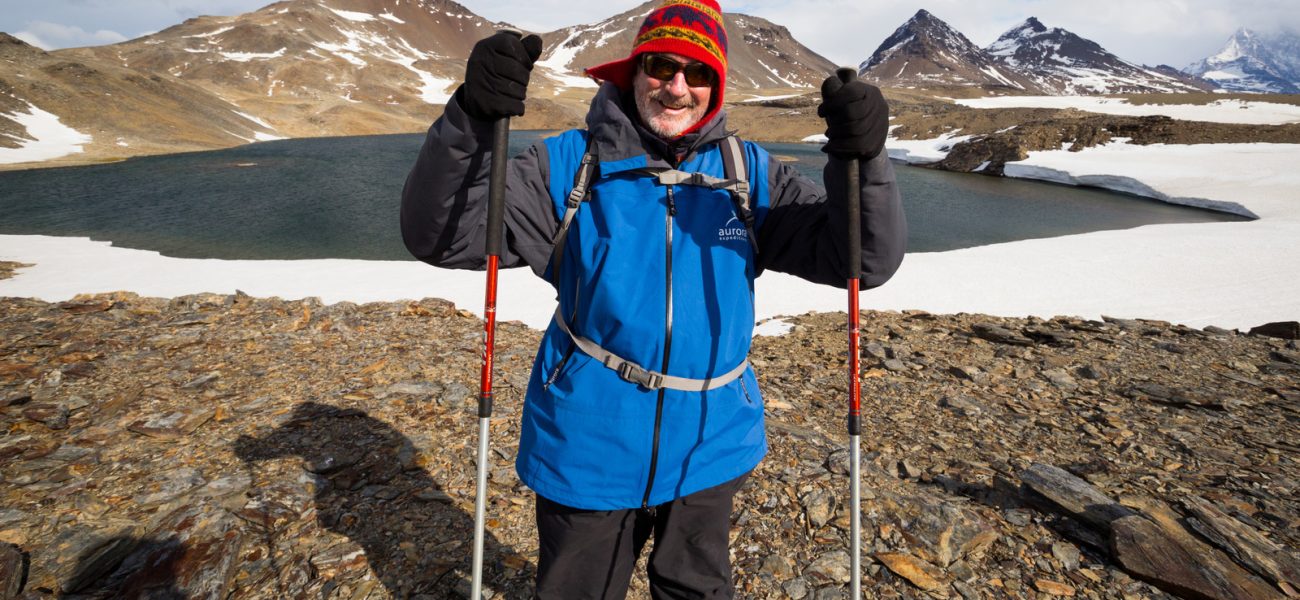
And frankly, it makes you wonder. Are they escaping something, or leaning into it? There’s a quiet desperation — or perhaps an acute sense of awareness — driving a curious trend where the serene predictability of traditional retirement gets tossed out for the exhilarating chill of Antarctica. This isn’t just about spotting penguins; it’s about seeing the world’s shifting plates, quite literally, before they grind too much further.
It’s not just some fringe fad, either. Numbers are starting to tell a story. The International Association of Antarctica Tour Operators (IAATO) reported a pre-pandemic high of over 78,000 visitors to the continent in the 2019-2020 season, with a significant — and growing — proportion aged 65 and over. These aren’t folks just trying to tick off a bucket list item; they’re engaging with an environment that shouts global change from every glacier and melting iceberg. And believe me, they’ve seen a thing or two to contextualize it all.
The standard line is usually something along the lines of [QUOTE_PLACEHOLDER], and it’s always delivered with a smile, a brochure in hand. But beneath that well-packaged rhetoric, there’s a deeper current, one that acknowledges a generation, often with more disposable income and an increasing sense of ecological imperative, gravitating towards a destination that’s as much a stark reminder of environmental fragility as it’s a natural wonder. They want to witness a place that feels—how should I put it?—unspoiled, if only temporarily.
But the true fascination for these intrepid elders isn’t merely about witnessing pristine wilderness. It’s about a geopolitical laboratory writ large. Antarctica, a continent ostensibly dedicated to peace and scientific research under the Antarctic Treaty System, is surrounded by an uneasy truce. Nations maintain research stations—some for science, others, let’s be honest, for strategic presence. Chile, Argentina, Australia, Norway, New Zealand, the UK, France—they all claim slices, even if those claims are officially suspended. But suspended isn’t absent. It’s just waiting. You don’t need a degree in international relations to sense that undercurrent; a keen observer with years of watching global dynamics unfold can feel it.
Consider the broader context, particularly from a perspective many might overlook. Pakistan, for instance, a nation grappling with its own significant climate vulnerabilities—think devastating floods, melting Himalayan glaciers, and aridification—established its own Jinnah Antarctic Station on Princess Ragnhild Coast in 1991. For a country with limited resources, this isn’t just a vanity project. It’s a strategic long-game play, a recognition of future resource implications, climate modeling, and a desire to be at the table when global scientific and, by extension, geopolitical, discussions occur. It speaks volumes about the perceived long-term value of this frozen expanse, stretching far beyond immediate tourism revenue or scientific novelty. It’s about ensuring a seat at the world’s most remote high table.
📄 POLICY WIRE WHITEPAPER PUBLISHED: PAKISTAN'S NATIONAL SECURITY POLICY PRIORITIES
👉 READ BY CLICKING HERESo, why travel experts say retirees should visit Antarctica isn’t just a marketing slogan; it’s a window into a changing world. They aren’t just selling icebergs; they’re inadvertently selling exposure to a grand global stage, a canvas upon which humanity’s future resource battles and climate challenges will undoubtedly be painted. The generation that witnessed the Cold War’s anxieties now faces a colder war against environmental collapse, and many want to see the front lines.
What This Means
The burgeoning trend of retirees flocking to Antarctica isn’t simply a matter of enhanced leisure options or expanded travel markets, though those factors certainly play a role. Economically, it signifies a robust segment of the global population, largely from developed nations, that possesses both the capital and the leisure time to invest in experiences of significant cultural and — yes — even political heft. This demographic, often less swayed by superficial attractions, seeks destinations that resonate with broader global issues. The growth in expedition cruises suggests an increasing commercialization of previously inaccessible, fragile environments, which brings its own set of environmental management challenges that will need to be carefully navigated by international bodies like the IAATO. It’s a delicate balance: economic opportunity versus ecological preservation.
Politically, the fascination with Antarctica for an older, often more politically engaged demographic can have subtle but potent implications. These travelers return not just with photographs but with a renewed, firsthand understanding of climate change’s physical manifestations and the complex web of international agreements governing the continent. Their shared experiences and potential advocacy could subtly — or not so subtly — influence policy debates in their home countries regarding environmental protection, scientific funding, and even resource diplomacy. When seniors, often powerful voting blocs, speak about the melting poles, politicians tend to listen. It turns what could be perceived as mere tourism into a form of citizen diplomacy, perhaps even low-key intelligence gathering, equipping a generation with palpable evidence of global shifts. This shift in the tourism landscape points to a public increasingly demanding engagement with reality, however stark, in their leisure time. It’s less about escapism, more about informed presence. This really highlights the intersection of consumer trends and global affairs, and frankly, it’s about time someone noticed. And this, for those of us tracking global geopolitics, isn’t just trivial chatter.