


Port of Paradox: Royal Caribbean’s ‘Costa Maybe’ Lives Up To Its Dubious Moniker
POLICY WIRE — Miami, USA — When a corporate behemoth brands a tropical paradise as an exclusive haven, you’d expect—well, reliability. Yet, for Royal Caribbean’s much-hyped private destination, the...

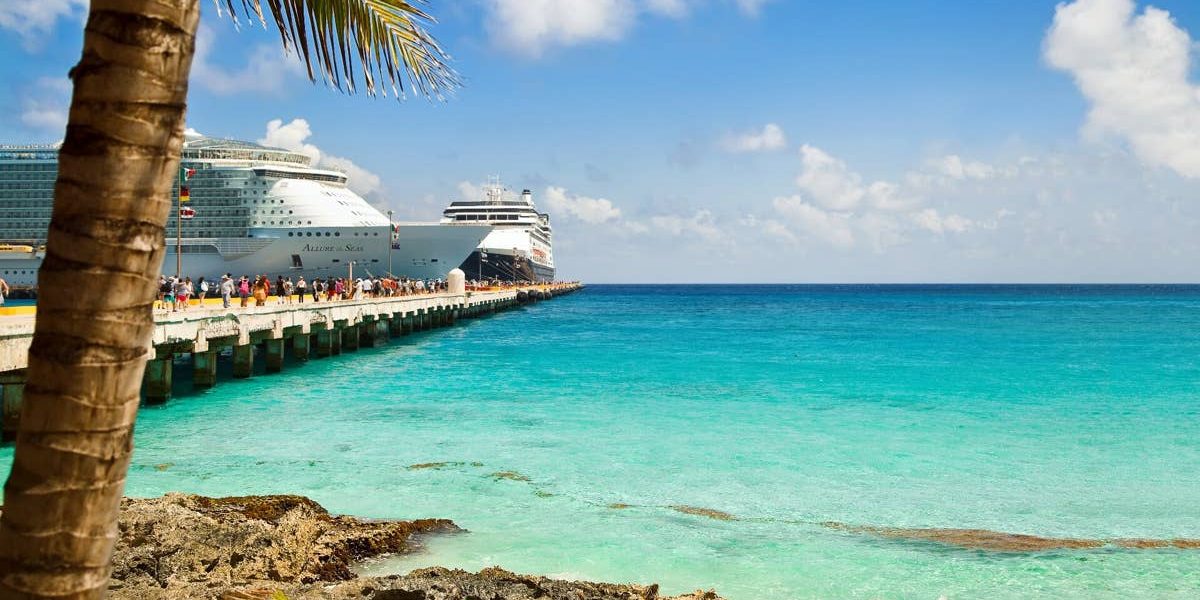
POLICY WIRE — Miami, USA — When a corporate behemoth brands a tropical paradise as an exclusive haven, you’d expect—well, reliability. Yet, for Royal Caribbean’s much-hyped private destination, the reality often strays. What started as an affectionate, if sardonic, nickname amongst the seafaring crowd—’Costa Maybe’—has solidified into a brutal operational truth, painting a stark picture of logistics unraveling and promises unkept.
It isn’t just about missed parasailing excursions. We’re talking thousands of vacationers, often with hard-earned savings and limited windows of leisure, seeing their meticulously planned escapes vanish like smoke on a choppy sea. The persistent pattern of itinerary changes, port skips, and weather-related disruptions (or at least, weather-attributed disruptions) has gone from a minor nuisance to a defining characteristic. And it begs a question: when does marketing gloss give way to operational quagmire?
Royal Caribbean, keen to cultivate an image of flawless execution, frequently champions its dedication to the guest experience. However, an analysis by Cruise Industry News in late 2023 indicated a 17% rise in cruise itinerary modifications or cancellations year-over-year attributed to port-of-call issues rather than severe weather, suggesting more than just Mother Nature’s caprice is at play here. That’s a significant jump, folks, — and it points to systemic vulnerabilities, not just a string of bad luck. Perhaps those multi-billion-dollar investments in shipbuilding need to extend to shoreside infrastructure, too, or even — gasp — forecasting.
The latest episodes only cement the port’s reputation. Numerous ships, scheduled for idyllic stops, have recently either bypassed the island entirely or docked for truncated periods, citing everything from unexpected swell patterns to what sources have vaguely termed [QUOTE_PLACEHOLDER]. One frequent cruiser lamented recently, [QUOTE_PLACEHOLDER], capturing the weary resignation of many. It’s a familiar refrain now, isn’t it? Patrons book based on the lure of this particular island, only to discover its accessibility is a coin toss.
This isn’t merely an inconvenience; it’s an economic ripple, — and it touches unexpected corners. For expatriates from nations like Pakistan, for instance, a reliable, accessible leisure destination isn’t just about escape. It’s sometimes a rare opportunity for family reunions, or even for professionals working in the Middle East looking for a quick, luxurious break before returning home—a break that often involves flights and complex travel arrangements around those cruise dates. Imagine coordinating such a trip, maybe flying relatives from Karachi to meet you in Florida, only to find the core attraction—the ‘perfect day’ island—is off-limits. That’s more than a vacation ruined; it’s a meticulously built bridge of family connection suddenly missing a critical plank.
But beyond the personal frustrations, this scenario highlights the intricate dance between corporate ambition and the hard realities of operational management in a globalized, climate-conscious world. Building the shiny new thing is one challenge. Keeping it running, day in — and day out, across oceans and seasons, that’s another animal entirely. It seems easier, sometimes, to double down on PR than to solve the underlying problems. And sometimes, those underlying problems are complex, involving everything from sea depth to geopolitical shifts impacting maritime routes. But I’d bet on robust planning any day over slick marketing when it comes to keeping a promise.
📄 POLICY WIRE WHITEPAPER PUBLISHED: PAKISTAN'S NATIONAL SECURITY POLICY PRIORITIES
👉 READ BY CLICKING HEREThere’s a subtle irony to this whole mess. Royal Caribbean pours vast sums into crafting these exclusive experiences, aiming to create memories of unparalleled bliss. Yet, the memories many are collecting are of cancelled itineraries — and vague announcements. It’s a classic case of the perceived product diverging wildly from the delivered one—and people, they’re starting to notice.
It makes you wonder, doesn’t it, about the value proposition? When you pay top dollar for a curated escape, is the gamble on a ‘maybe’ destination a feature or a flaw? They’re selling certainty, but often delivering contingency. For more on the hidden economics of pristine, yet fickle, destinations, you might consider our earlier reporting on Japan’s Peaks and Pacts. Or for a broader view on corporate ambition and global capital, check out Ice, Instantaneous Glory, and Global Capital.
What This Means
The saga of ‘Costa Maybe’ isn’t just a blip for Royal Caribbean; it’s a canary in the coal mine for the entire cruise industry, especially as operators push into more specialized, curated destinations. Economically, repeated cancellations mean lost revenue for onshore services, certainly, but also erode long-term customer loyalty and pricing power. When reliability becomes a known issue, the perceived value of a premium product—and make no mistake, these branded private islands are premium—dips. Trust, once broken, takes monumental effort to rebuild, something every brand manager loses sleep over.
Politically, the implication centers on consumer protection and the delicate balance between corporate responsibility and commercial freedom. Regulators in various nations, including those in South Asia with burgeoning middle classes now considering such luxury travel, could face pressure to examine boilerplate cancellation clauses or demand more transparency on itinerary stability. For these newer markets, where leisure travel budgets are often a significant investment, the perception of being short-changed by a major Western corporation can sting deeply, leading to calls for stricter oversight or, at the very least, better compensation models. This isn’t just about bad weather; it’s about whether companies can reliably deliver on promises made, particularly when global supply chains and environmental factors increasingly introduce variables beyond direct control. And consumers, well, they’re getting smarter about discerning marketing fluff from cold, hard fact.