

Fifty Miles of Futility: A Town’s Unraveling Infrastructure Echoes Global Vulnerability
POLICY WIRE — Undisclosed Township, UK — The humble commute, that mundane, rhythmic ritual of modern life, can unravel with disarming speed. One moment, you’re calculating optimal...

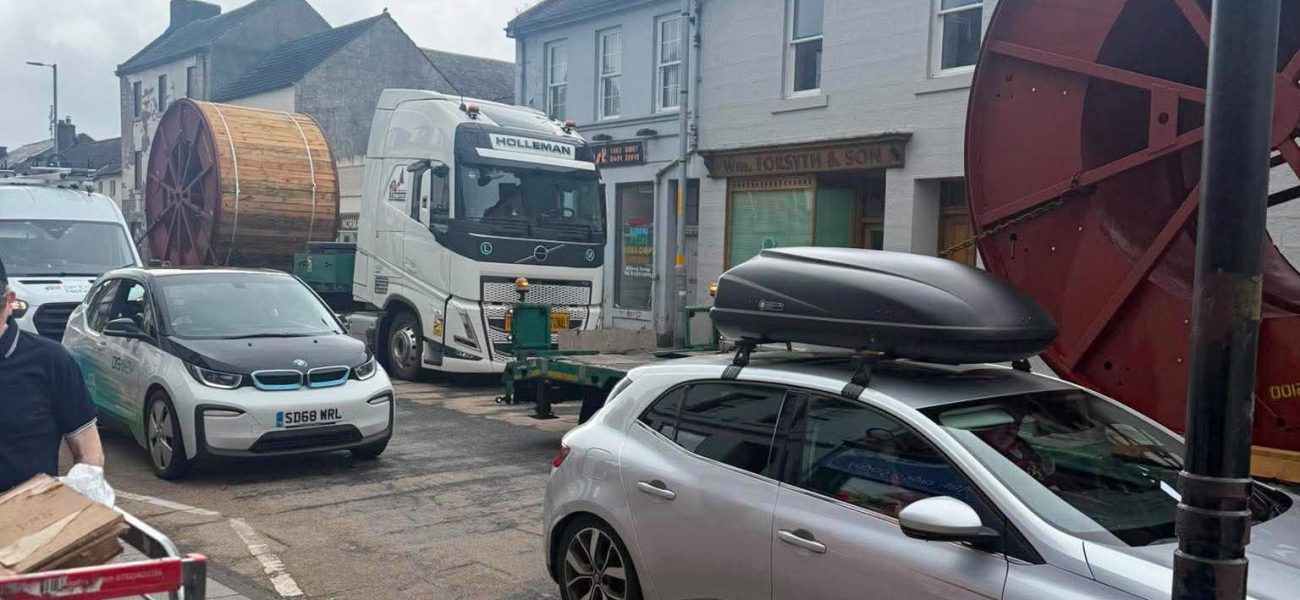
POLICY WIRE — Undisclosed Township, UK — The humble commute, that mundane, rhythmic ritual of modern life, can unravel with disarming speed. One moment, you’re calculating optimal coffee intake; the next, you’re adrift in a landscape of red brake lights and sputtering frustration, pointed inexplicably in the wrong direction. That’s exactly what happened this week when a primary thoroughfare in a quiet town centre decided to effectively disappear from the public right-of-way, plunging locals into what many are calling, with understandable exasperation, ‘Absolute chaos’.
It wasn’t a sinkhole, though the structural integrity of ancient pipes below many British roads makes that a perennial dread. Nor was it a particularly spectacular collision, though those are dime-a-dozen, too. Instead, this latest capitulation of civic engineering came in the form of a failed bridge bearing. A part few ever consider, hidden from plain sight, decided to simply give up its foundational duties. Because, well, things get old, they rust, they crumble, and maintenance budgets always seem to find more glamorous places to land than underground support structures.
The immediate fallout was less a disruption — and more an exercise in existential despair. A mere six-hundred-yard stretch of asphalt—a blink in the eye of the urban planner—triggered a jaw-dropping 50-mile diversion. Let that sink in for a moment. Drivers faced nearly an hour and a half of additional travel just to bypass a segment most could traverse on foot in five minutes. Emergency services? Forget it; critical response times stretched thin, undoubtedly impacting health outcomes. Local businesses, reliant on regular footfall and expedient deliveries, watched sales figures shrivel like autumn leaves.
And what about the environmental cost? Imagine the cumulative carbon footprint of thousands of vehicles suddenly taking an extended, inefficient grand tour. It’s an inconvenient truth that while we fret over grand decarbonization schemes, the day-to-day failure of neglected infrastructure contributes its own quiet, steady stream of emissions. Policy Wire analysis has previously explored how seemingly isolated incidents, from Luhansk’s grim rationing to specific urban logistical hurdles, expose a far wider web of vulnerability.
One exasperated local, stuck for hours, reportedly asked, [QUOTE_PLACEHOLDER]. His query, though rhetorical, captures the profound distrust bred by such failures. Because, really, who’s in charge? Who let this happen? Who’s accountable when the delicate machinery of daily life grinds to a halt not because of a hurricane, but because a glorified bolt gave way?
This isn’t an isolated British quirk, mind you. You find echoes of such infrastructural fragility across continents, often magnified. Think about the sprawling, hyper-dense cities of Pakistan —Lahore or Karachi— where populations surge against the constraints of colonial-era planning and chronic underinvestment. While a UK town might cope with a 50-mile detour for a week, a similar critical arterial collapse in, say, a central bazaar district in Rawalpindi could bring an entire commercial ecosystem to its knees, starving countless families and disrupting crucial supply lines that feed tens of millions. Their challenges are more systemic, perhaps, but the localized pain of disrupted commerce and daily life feels strikingly familiar. Both scenarios underline a universal principle: robust, forward-thinking infrastructure isn’t just about economic efficiency; it’s about social stability, community resilience, and national security.
📄 POLICY WIRE WHITEPAPER PUBLISHED: PAKISTAN'S NATIONAL SECURITY POLICY PRIORITIES
👉 READ BY CLICKING HEREA recent report by the American Road & Transportation Builders Association (ARTBA) found that approximately 42% of all bridges in the U.S.—61,000 in total—are at least 50 years old and considered structurally deficient. If that’s the picture in a major global economy, you don’t need a particularly vivid imagination to understand the quiet catastrophe unfolding beneath our very feet, year after year, project after project deferred.
It’s this slow, almost imperceptible erosion of core public assets that leads to sudden, violent spasms of inefficiency. This town’s predicament isn’t just about traffic; it’s a stark, mundane lesson in the cumulative cost of neglect.
What This Means
This localized headache is, in fact, a policy bellwether, a micro-tragedy signaling macro-systemic issues. Economically, the hit is immediate: lost revenue for businesses, increased fuel costs for commuters and freight, and a dent in regional productivity. Every minute spent idling in traffic or taking circuitous routes is time not spent producing, consuming, or innovating. Small businesses, in particular, often lack the buffer to absorb such sudden, prolonged drops in activity. The economic implications ripple out far beyond the immediate vicinity; supply chains, however local, feel the strain.
Politically, incidents like this feed directly into public cynicism about governance. Constituents pay taxes, — and they expect basic services—safe, functional roads being paramount among them. A major closure and an absurd diversion trigger legitimate questions about investment priorities, municipal planning, and the foresight of elected officials. Local politicians will undoubtedly face uncomfortable questions. Don’t be surprised if this relatively small incident becomes a hot topic in the next council election, or even features in broader critiques of national infrastructure spending, much like how specific moments become talking points in debates about Taiwan’s geopolitical balancing act. It serves as a stark reminder that beneath the grand pronouncements of digital transformation and green energy, the physical world —the bridges and roads we take for granted— still dictates much of our daily reality. They’re not just about movement; they’re the literal foundations of our communal lives.