
As Lives Unravel on Albuquerque Streets, Budget Cuts Test Political Will
POLICY WIRE — Albuquerque, New Mexico — The ghost of Kayla Vanlandingham, a 19-year-old cyclist lost to the callous calculus of urban thoroughfares, arguably held more sway than any budget line item...

POLICY WIRE — Albuquerque, New Mexico — The ghost of Kayla Vanlandingham, a 19-year-old cyclist lost to the callous calculus of urban thoroughfares, arguably held more sway than any budget line item this past week in Albuquerque City Hall. Her mother, Melinda Montoya, navigates the civic labyrinth not for vengeance, but for basic, often delayed, protections for others. A vibrant pink bike, a bright white helmet—they weren’t enough. Montoya’s harrowing testimony highlights an inconvenient truth: official policies, however well-intentioned, can buckle under bureaucratic inertia or, worse, budgetary caprice.
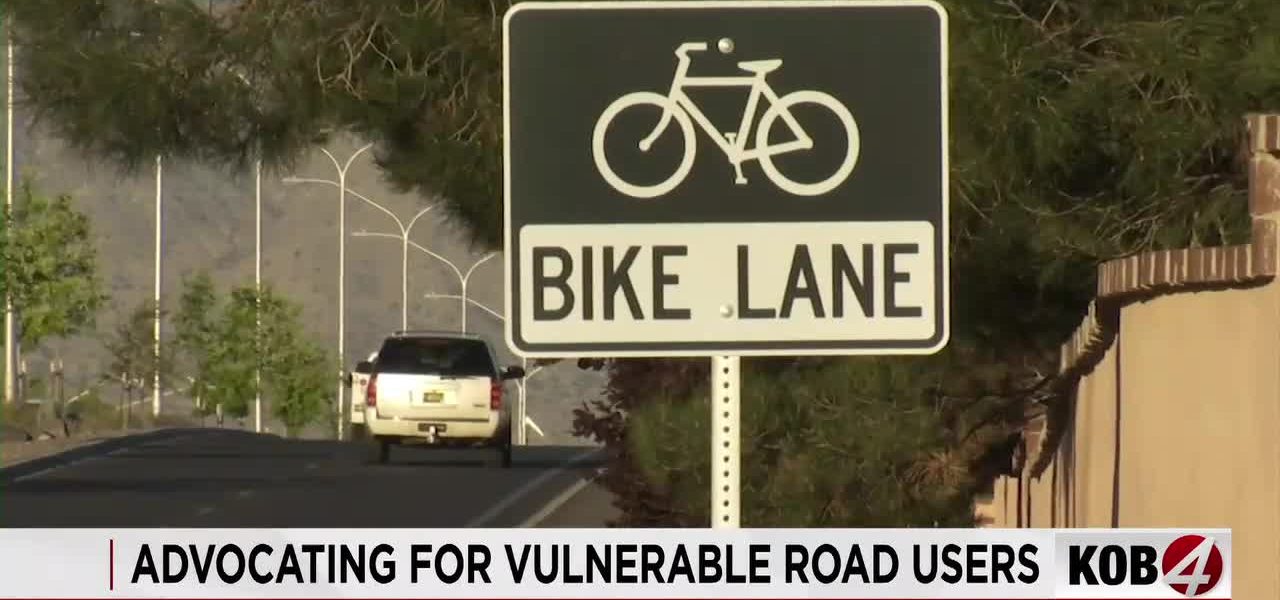
It was never going to be simple. Not when human lives intersect with city spreadsheets. What began as a sweeping council move to yank funding from Albuquerque’s ‘Vision Zero’ program—a civic pledge to eliminate traffic deaths and serious injuries by 2040—erupted into a raw public spectacle. An eleventh-hour amendment, tossed in with all the grace of a last-ditch plea, restored a fraction of those dollars, primarily targeting projects designed to protect ‘vulnerable road users.’ That’s bureaucratese for pedestrians, cyclists, scooter riders, and those in wheelchairs—the very folks disproportionately chewed up by our streets.
“Look, you can’t declare a commitment to safety and then starve the programs designed to deliver it,” remarked Mayor Tim Keller, a city leader who’s evidently grown weary of playing defense on public welfare. “It’s like building a hospital — and then defunding its emergency room. The optics? They’re just terrible. And frankly, the reality will be worse.” He’s got a point. You don’t get ‘vision’ with zero dollars. Jennifer Turner, who directs Albuquerque’s Municipal Development, knows the quiet investment required. Her department poured resources into pedestrian lighting along Central Avenue—nearly 200 solar-powered lights between Louisiana and Eubank, she claims. “We’ve invested heavily here. But if you start nickeling — and diming, if you lose even a single penny, our momentum? It’s gone. Poof.”
The pushback isn’t just about preserving what’s built; it’s about acknowledging the body count. Three individuals killed in as many days last week, struck down while merely attempting to cross Albuquerque’s expansive streets. This brutal tally certainly puts things into stark perspective. But policy-making, often insulated from immediate grief, prefers abstract arguments over messy consequences.
And that’s where the systemic problems show their jagged teeth. Melinda Montoya’s relentless advocacy, born of unimaginable loss, did manage to rewrite Albuquerque’s traffic code, the first overhaul in five decades. A rare victory, a local win, but one that highlighted deeper chasms. “Before, there weren’t many statutes—few real protections—for anybody not in a car,” she noted bluntly. Because while drivers might face penalties, other road users historically endured a legislative vacuum.
The money part of this equation is critical. State Senator Heather Berghmans is championing a legislative fix: let cities keep all their speed camera revenue. Currently, half vanishes into the state’s general fund. “Imagine what Albuquerque could do with an extra $4 or $5 million annually,” Berghmans pondered. “That’s real money, funds that could become a lifeline for infrastructure projects like HAWK signals or wider bike lanes. It’s an immediate, practical pathway to saving lives.” It’s hard to argue with cold, hard cash directed at a problem.
What This Means
The budgetary dance around Vision Zero in Albuquerque isn’t just a local spat over traffic funds; it’s a microcosm of a broader, often global, struggle between urban expansion, resource allocation, and basic human safety. Politically, the move to cut funding, then partially restore it, smells like reactive governance—a painful learning curve forged in public outcry rather than proactive planning. It signals a political class struggling to balance competing priorities under fiscal constraint, sometimes misjudging the public’s tolerance for compromise on fundamental safety issues.
Economically, the implications are similarly stark. Beyond the obvious moral cost, traffic fatalities and severe injuries carry immense societal burdens, from emergency services and healthcare expenditures to lost productivity. Diverting funds from proven safety measures can feel like a false economy, penny-wise — and pound-foolish. In developing urban centers, whether in Pakistan’s Karachi—a metropolis grappling with its own daunting infrastructure woes and alarming traffic statistics—or right here in the American Southwest, the conversation inevitably circles back to investment. Can you afford not to build safer roads? The human cost, it seems, always exceeds the ledger’s tally. Neglecting these areas breeds public cynicism and—as we’ve seen—can provoke a citizen-led charge to force governmental hands. For many municipalities, such as Albuquerque, navigating the fractured grip of policy paralysis against pressing public needs becomes an existential exercise.
For all the legislative fixes and budget haggling, true change often starts with something far less tangible: human behavior. The latest numbers from Albuquerque Police show 14 vulnerable road user deaths so far this year—a grim reduction from 24 at the same point last year, yet still a stark reminder of lives irrevocably altered. But the solution isn’t just policy; it’s perception. “I see it every day, driving. The absolute lack of care some people have,” Montoya lamented, her voice tinged with the perpetual ache of loss. “It’s like it’s just about them.” Berghmans echoed that sentiment precisely. It’s a tough lesson, one not easily legislated, but absolutely essential if communities genuinely hope to achieve ‘Vision Zero’ anywhere.