


The Unseen Architects of Care: A Hospice Volunteer, a Media Stunt, and America’s Fraying Social Contract
POLICY WIRE — Albuquerque, N.M. — In the grand theatre of public service, where policymakers joust over budgets and philanthropists chase marquee legacies, the quiet contributions often go...

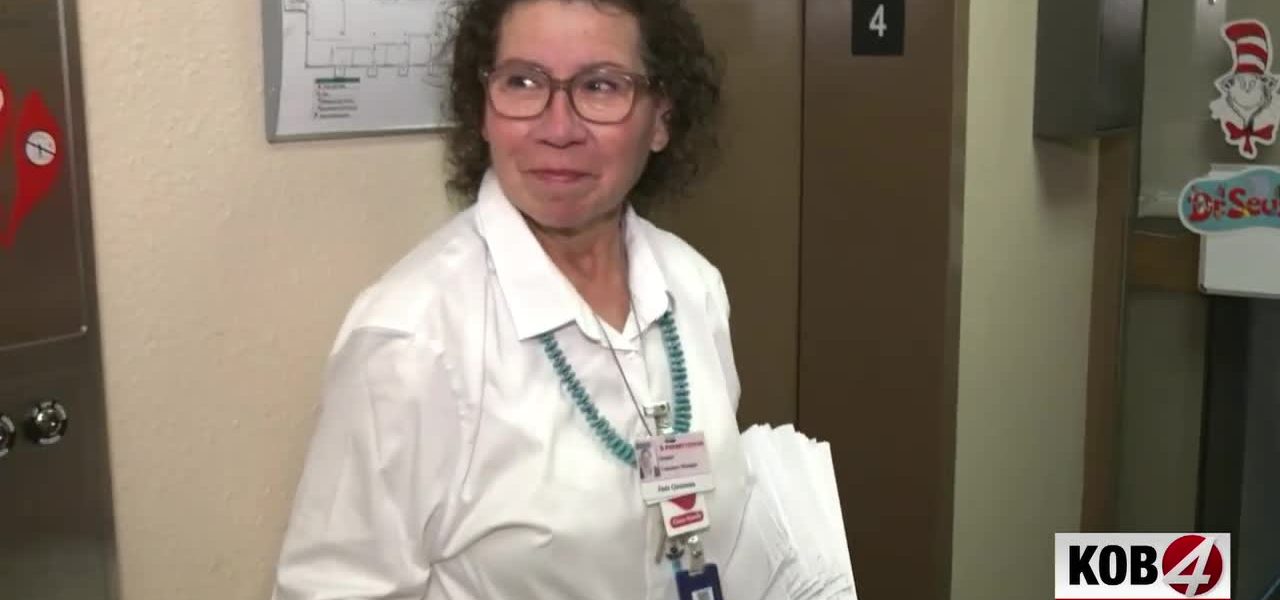
POLICY WIRE — Albuquerque, N.M. — In the grand theatre of public service, where policymakers joust over budgets and philanthropists chase marquee legacies, the quiet contributions often go unheralded. Then, sometimes, a local TV crew shows up with a camera — and a cheque. That’s precisely what unfolded in Albuquerque recently, as a hospice volunteer coordinator — an unsung figure in the gruelling, tender landscape of end-of-life care — found herself bathed in the fleeting, slightly awkward glow of a ‘Pay it 4ward’ segment.
It’s an American trope: the televised good deed, the ‘surprise’ recognition for someone who quietly keeps the machinery of care from seizing up. This particular segment celebrated a Presbyterian Hospital volunteer, lauded for “decades of experience” ensuring hospice patients live “more fully.” Noble work, undoubtedly. But strip away the heart-warming varnish, and you’re left with a starker reality: a deeply personal gesture magnified by broadcast, ironically highlighting the often-precarious balance of a social safety net increasingly reliant on the informal, unpaid labour of individuals.
And it’s a conversation worth having, because volunteerism, for all its innate goodness, isn’t just about kindness. It’s about resources. It’s about economics. When an entire sector of patient care—a sensitive one at that—is buttressed by countless hours of unpaid dedication, it raises questions about systemic provision, about what a society deems ‘essential’ and how it chooses to fund it. It’s the invisible tax, levied on the good intentions of its citizenry, to fill gaps the public purse often ignores. You can’t put a price tag on compassion, they say, but maybe we should, if only to understand its market value in an era of fiscal austerity.
“Volunteer hours are, quite simply, a massive subsidy to our healthcare system, particularly in areas like hospice,” observed Dr. Elena Rodriguez, New Mexico’s Secretary of Health, during a recent press conference addressing budget constraints. “We’re talking about millions of dollars saved annually, freeing up resources that would otherwise be strained. It’s not charity; it’s an integrated, if often unacknowledged, part of our infrastructure.” Her remarks, delivered with her characteristic blend of clinical candour and political pragmatism, cut straight to the bone. Because if these volunteers vanished tomorrow, what would truly be left?
But the issues run deeper than simple economics. The framing of these segments—the ‘surprise,’ the individual hero—tends to sidestep broader policy discussions. It’s easier to applaud a selfless individual than to dissect the policy failures that make such profound reliance on individual goodwill necessary. It skirts around the quiet attrition of empathy that can occur when systems are overstretched. In fact, according to the National Hospice and Palliative Care Organization, over 1.7 million Americans received hospice care in 2022, many undoubtedly supported by these armies of quiet contributors.
This dynamic isn’t exclusive to America’s healthcare landscape. Across the globe, particularly in developing nations, informal networks and charitable organisations often shoulder responsibilities that Western societies might typically delegate to state apparatus. Take Pakistan, for instance. Formal hospice care, as understood in the West, is still an evolving concept. Instead, deeply ingrained cultural and religious traditions of caring for elders and the infirm within the family, coupled with robust, religiously motivated charitable organisations like the Edhi Foundation, form the bedrock of support. There, volunteerism isn’t a media ‘surprise’; it’s a communal expectation, an extension of deeply held faith and duty—a profoundly different, yet equally resource-strained, model of care.
Dr. Omar Siddiqi, a sociologist specialising in social welfare in the Muslim world, puts it starkly: “In many South Asian contexts, formal governmental provision is often an afterthought. It’s the family, the community, the religiously inspired charity—the inherent, moral imperative to care for others—that often carries the burden. And yes, it’s beautiful. But it also means governments are too often let off the hook for building sustainable, systemic support.” It’s a point worth pondering when we celebrate isolated acts of kindness in the developed world. Are we merely papering over cracks, or genuinely building resilience?
But back to Albuquerque. The story here isn’t just about a woman getting her moment in the sun. It’s about the silent majority of caregivers and volunteers, operating at the sharp end of diminishing state budgets and rising demand. Their work provides an invaluable lesson in the practical application of policy, or the lack thereof. Much like Japan navigates its demographic shifts with innovative (if often challenging) policies, America grapples with its aging population, relying heavily on the human factor—a factor that’s increasingly stressed. This small local story is just one more flashpoint in a much larger, global reckoning over who pays for care, and how we acknowledge its true cost, beyond a camera crew and a gift. It’s about a social ledger where the truly important entries often go unwritten.
What This Means
The ‘Pay it 4ward’ narrative, while heartwarming, inadvertently highlights profound systemic issues. For politicians and policymakers, such recognition serves as an easily digestible feel-good story, diverting attention from the chronic underfunding of social services and healthcare, particularly in elder and end-of-life care. Economically, the dependence on volunteer labour distorts true care costs, making it challenging to advocate for adequate public funding. These hours are effectively free capital for a stressed healthcare system; quantifying them (as some reports try to do) consistently reveals sums that would bankrupt many state health departments if suddenly monetised. This creates a political disincentive to invest structurally. Instead, we get celebratory segments that reinforce the notion of individual responsibility over collective provision. It’s America’s peculiar religion of self-reliance played out on the local news stage. it creates a potential vulnerability: what happens when volunteer pools diminish, as they often do in economic downturns or periods of social unrest? This local tale isn’t just about a good person getting a surprise; it’s a window into the precarious balancing act of our collective compassion.