


Albuquerque’s Stardust Diplomacy: Italy Joins the New Mexico Space Rush
POLICY WIRE — Albuquerque, New Mexico — Space, once the sole purview of governments and superpowers, is now a scrappy, entrepreneurial endeavor. But forget your typical Silicon Valley startups; the...

POLICY WIRE — Albuquerque, New Mexico — Space, once the sole purview of governments and superpowers, is now a scrappy, entrepreneurial endeavor. But forget your typical Silicon Valley startups; the real action’s unfolding in places you might least expect. Consider Albuquerque, New Mexico. It’s not just a dusty outpost anymore; it’s quietly positioning itself as a transatlantic bridgehead for the commercial space industry. And yes, it’s doing so with a rather unlikely partner: Italy.
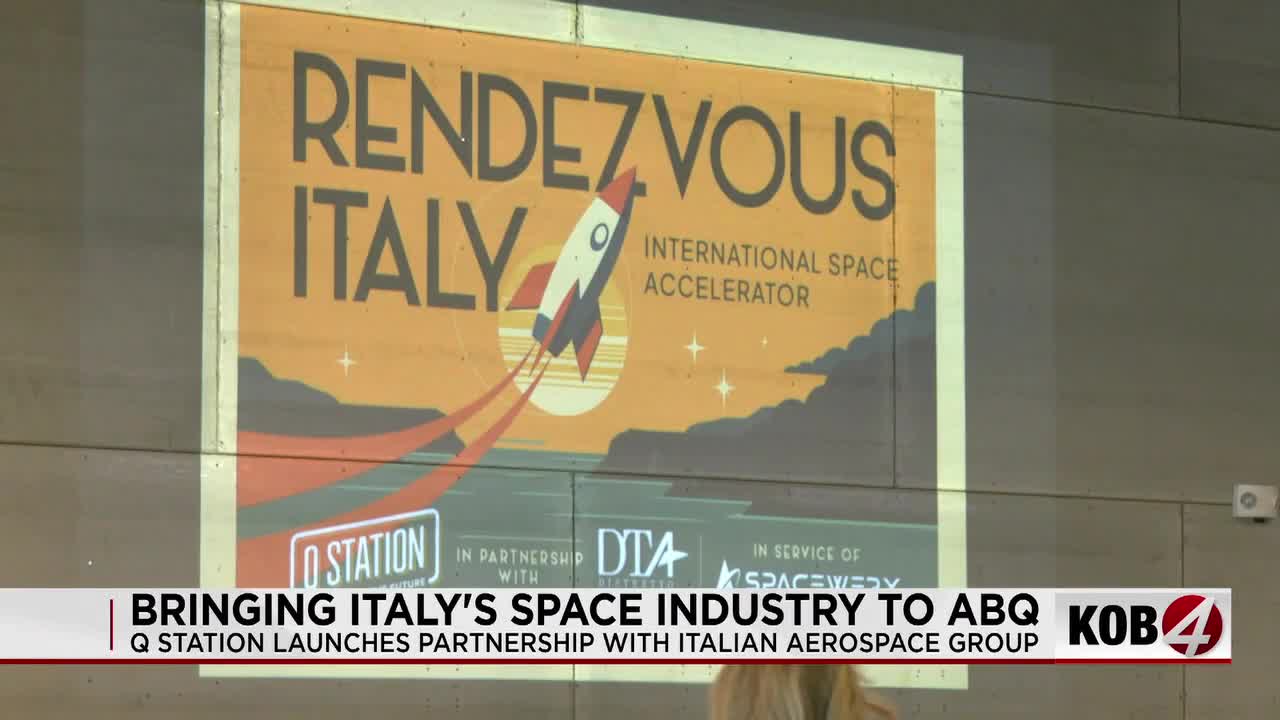
This isn’t about launching rockets from the Land of Enchantment. No, it’s about forging something perhaps more complex — and equally strategic: an economic pipeline. The City of Albuquerque, alongside the Air Force Research Lab (AFRL) via their Q Station initiative, has formally aligned with the Italian Aerospace District (DTA) to kick off something called ‘Rendezvous Italy.’ Its mission? To help Italian aerospace companies get a firm foothold in the notoriously competitive, yet immensely lucrative, U.S. market. It’s a pragmatic play, marrying European innovation with American market access, draped in the convenient, often nebulous, banner of ‘dual-use technology’ – tech that serves both commercial and defense purposes.
Randy Trask, CEO of Q Station, didn’t mince words about the program’s intent. “We’re not just offering a pathway; we’re essentially handing Italian innovators the keys to the American space market,” he remarked. “It’s about blending their ingenuity with our ecosystem, and yes, safeguarding national interests, frankly.” His tone carried the weary confidence of someone who’s seen enough political jostling to know that every handshake has implications. And they’ve gone big. They’re helping these firms navigate regulatory labyrinths, meet the right investors, and connect directly with the demanding customers — including, crucially, the U.S. defense apparatus.
Applications for this rather exclusive club have just opened to a select group of international entities operating within the defense and commercial space sectors. The grand finale? Participating companies will journey to Albuquerque itself, eager to pitch their bleeding-edge tech to a discerning array of investors. It’s a bit like a high-stakes, geopolitical Dragons’ Den, if you will, but with actual national security woven into the subtext.
And because these things never exist in a vacuum, Italy’s active participation reflects a broader European strategy to strengthen alliances beyond the usual intra-bloc cooperation. Prof. Raffaele Petti, DTA’s Director for International Relations, underscored this point, perhaps with a touch more diplomatic decorum. “This isn’t solely about commercial collaboration; it’s a deepening of transatlantic scientific and technological bonds, frankly imperative given the complex global landscape we find ourselves in,” Petti stated, subtly hinting at China’s growing prowess and Russia’s erratic moves in space. The world’s space economy, let’s not forget, is projected to reach nearly $1 trillion by 2030, according to McKinsey, making every partnership, every tiny gain in market share, acutely contested. This isn’t small stakes.
But the true art lies in where this initiative might land on the broader geopolitical map. While nations like Pakistan and the UAE diligently cultivate their own space ambitions – seeing it as a symbol of technological ascendancy and strategic autonomy – this Albuquerque-Italy pact serves as a different kind of blueprint. It shows how established allies are not just sharing technology, but actively integrating their commercial pipelines. It’s a move to ensure that Western technological dominance in this new frontier isn’t ceded to competitors who might play by different rules. In a world where geopolitics constantly grinds away at comfortable norms, these smaller, commercially-driven alliances can sometimes carry more weight than grand declarations.
One might even say, it’s not just about a city reaching for the stars; it’s about a continent strengthening its earthly bonds.
What This Means
This Albuquerque-DTA venture might seem like a niche local development, but its implications ripple much wider. Economically, for New Mexico, it’s a calculated gamble on diversifying its economy beyond its long-standing reliance on federal labs and military installations. The state’s hoping to capture a slice of that burgeoning space industry, creating jobs and fostering an innovative ecosystem that can draw further investment. But let’s be real, it’s not a selfless act for either party. For Albuquerque, it means global visibility — and economic stimulus; for Italy, unparalleled access to a U.S. market that’s otherwise notoriously difficult to crack without substantial domestic ties.
Politically, the partnership is a quiet affirmation of the NATO alliance’s evolving role. It moves beyond purely military cooperation into the realm of shared economic and technological advancement, reinforcing Western supply chains and counteracting strategic rivals. It’s an exercise in soft power, demonstrating that transatlantic cooperation isn’t just about defense treaties but about mutual prosperity in critical future industries. We’re talking about components, intellectual property, and cutting-edge R&D that could have significant security implications. And because the lines between commercial innovation and military application are perpetually blurring in the space sector, these seemingly innocuous programs often hold deeper, strategic weight than meets the eye. It’s not just business; it’s a subtle recalibration of global influence, leveraging innovation as a tool of statecraft. Perhaps they’re drawing a leaf from the Italian playbook of brutal pragmatism.