


Dust and Deceit: A Philippine Hotel Collapse Exposes a Region’s Shaky Foundations
POLICY WIRE — Manila, Philippines — The skeletal remains of what was meant to be a gleaming new hotel, now a crumpled mess of rebar and concrete, silently preach a sermon of neglect. They’ve...

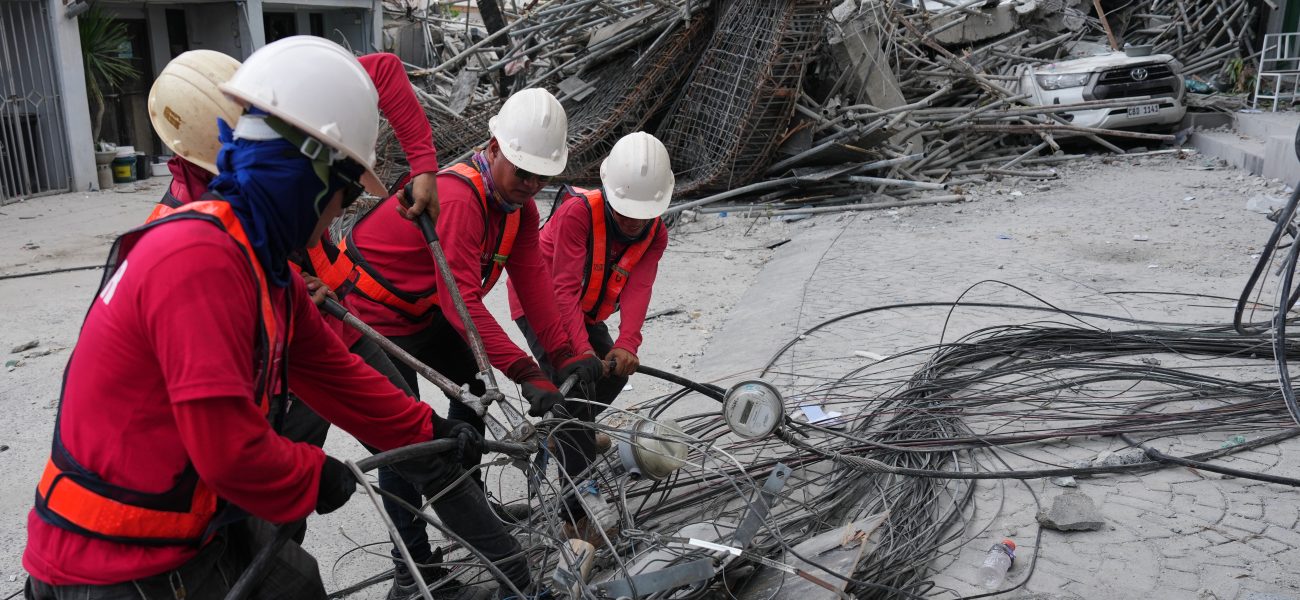
POLICY WIRE — Manila, Philippines — The skeletal remains of what was meant to be a gleaming new hotel, now a crumpled mess of rebar and concrete, silently preach a sermon of neglect. They’ve found four bodies so far. But what about the other seventeen—mostly workers—still missing beneath that catastrophic heap? Their disappearance isn’t just a grim count; it’s a chilling echo, a silent scream of systemic failures heard too often across booming Asian economies.
It’s not often a luxury development project—even an unfinished one—collapses under its own weight, especially not with this kind of brutal finality. Not without serious questions getting thrown around like concrete dust. You see, the rush for profit, the allure of quick growth, often obscures the dirty details, the shortcuts taken, the safety standards conveniently overlooked. Because, let’s be honest, corners get cut when there’s money to be made — and regulations feel more like suggestions.
And these weren’t highly paid executives sipping lattes in air-conditioned offices. No. These were daily wage earners, probably migrant labor, folks trying to carve out a living in a precarious sector, their dreams buried quicker than the rubble settled. Their names? Many probably haven’t even been registered properly, lost in the informal maw of contract work that fuels much of the Philippines’ construction boom, just like similar workforces do in Pakistan’s Karachi or the booming Gulf states.
“We’re going to hold every stone accountable—every single one,” declared Mayor Emilia Soriano, her voice strained as cameras flashed over the devastation. “But let’s be frank, this is a sector that often cuts corners; the challenge isn’t just catching them, it’s preventing them from ever starting with such shoddy work.” Her sentiment, while laudable, barely scratches the surface of the rot. It’s an acknowledgment of a widely understood problem, yet the pattern persists. Because accountability often remains a slippery fish, wriggling free from bureaucratic nets.
But the consequences are anything but abstract for families back home. An architect working for a prominent international firm, who requested anonymity, pointed out the scale of the problem. “Look, building codes aren’t the issue in many places like the Philippines or Indonesia; it’s the enforcement, or rather, the lack thereof. Inspectors are either underpaid, under-resourced, or—and this happens—under the thumb of powerful developers.” The sentiment wasn’t new, yet it hits different when it’s actual bodies they’re pulling from the wreckage.
It’s a stark reminder that even as skyscrapers punch through the haze of Southeast Asian cities, the ground beneath can be terribly shaky. These workers, often economic migrants, navigate an invisible gauntlet of exploitation and danger, far from the polished brochures of the hotels they build. Dr. Rashid Khan, a labor rights advocate with significant experience tracking worker abuses in South Asia and the Middle East, put it plainly, “These aren’t isolated incidents. They’re symptoms of a race to the bottom, where profit margins outweigh human lives. Workers, many from nearby nations or impoverished provinces, they’re trapped, forced into silence by sheer economic desperation. It’s an issue common across Manila to Lahore, frankly.”
The numbers don’t lie, either. According to a 2022 report by the Philippine Department of Labor and Employment, fatalities in the construction sector rose by a worrying 15% compared to the previous five-year average, despite increased safety mandates. This isn’t just bad luck; it’s a policy failure writ large—in mangled steel and broken concrete. This incident, while local, echoes challenges faced across the globe where developing nations grapple with rapid urbanization and the infrastructure needed to support it. Indeed, the very structure of urban development in the Muslim world, from Istanbul to Jakarta, often contends with similar compromises between expediency and integrity—a reality that often makes the blueprint less a guide and more a ghost. It’s why conversations about housing and development, like those seen in the ‘Baku Blueprint,’ aren’t just about putting roofs over heads; they’re about building secure futures.
What This Means
This incident is far more than just a tragic accident; it’s a stark reflection of deeply ingrained issues within the Philippines’ political economy. Politically, it’ll undoubtedly put immense pressure on local governments to show some teeth, to prosecute — and penalize. But whether that translates into meaningful, lasting reform of building codes and labor enforcement—especially against politically connected developers—remains the million-peso question. Because promises are cheap, bodies aren’t.
Economically, these types of collapses chip away at the nation’s appeal for foreign investment, raising concerns about corruption and reliability. You want to attract business? You better be able to guarantee not just returns, but stability—and safety. For the workforce, largely drawn from the nation’s impoverished sectors, this just amplifies the desperation. It forces them back into unsafe conditions, because what choice do they truly have when the next meal depends on swinging a hammer on a risky site? It’s a harsh reality that affects countless families, especially those receiving remittances from overseas Filipino workers (OFWs) who often undertake similar perilous labor abroad, just to send money back to a system that, at home, might be failing their brethren. And the sheer lack of robust public and private accountability mechanisms leaves the door wide open for a repeat performance. Sometimes, the ghost in the machine isn’t a complex cyber-threat, but rather simple, old-fashioned greed and a tragic lack of oversight—a ‘ghost in the machine’ haunting much of South Asia’s development, where systemic flaws undermine stability, one collapsed building at a time.