


Road to Ruin or Riches? Brazil Carves a Highway Through the Amazon’s Green Heart
POLICY WIRE — Brasília, Brazil — There’s a certain hubris in trying to tame the world’s largest rainforest. An old saw says nature bats last, doesn’t it? Yet, Brazil’s latest move feels less like...

POLICY WIRE — Brasília, Brazil — There’s a certain hubris in trying to tame the world’s largest rainforest. An old saw says nature bats last, doesn’t it? Yet, Brazil’s latest move feels less like taming and more like an exasperated sigh, a heavy shovel dropping into an ecological hornet’s nest. The country, keeper of the planet’s irreplaceable lungs, just gave the nod to a sizable infrastructure project—a $75 million highway slicing deeper into the Amazon—while simultaneously attempting to soothe critics with a fresh, comprehensive environmental protection plan. It’s a classic Brazilian samba of development — and denial, played out on the global stage.
President Luiz Inácio Lula da Silva’s administration, initially hailed as a return to environmental sanity after years of aggressive deforestation under his predecessor, finds itself walking a precarious tightrope. His government’s plan, totaling R$375 million (that’s roughly $75 million U.S. dollars at current rates), isn’t just about paving roads. No, it’s a whole package deal: repairing and paving stretches of highway BR-319, which runs from Manaus to Porto Velho, and rolling out what it calls a ‘sustainable development and protection plan’ for its immediate environs. You see the setup, don’t you? Give a little, take a little—or perhaps, take a lot and promise to give some back later.
“We can’t simply wall off regions of our country from our people,” declared Renan Filho, Brazil’s Minister of Transport, during a recent press briefing. He spoke with the easy confidence of a man delivering good news, framing the road as essential. “This infrastructure connects communities, allows for proper distribution of goods, and creates opportunity where none existed before. We’re, however, absolutely committed to doing this with an unprecedented level of environmental vigilance. It’s economic growth, but it’s intelligent economic growth.” Right. Because those things have always gone hand-in-hand in the Amazon.
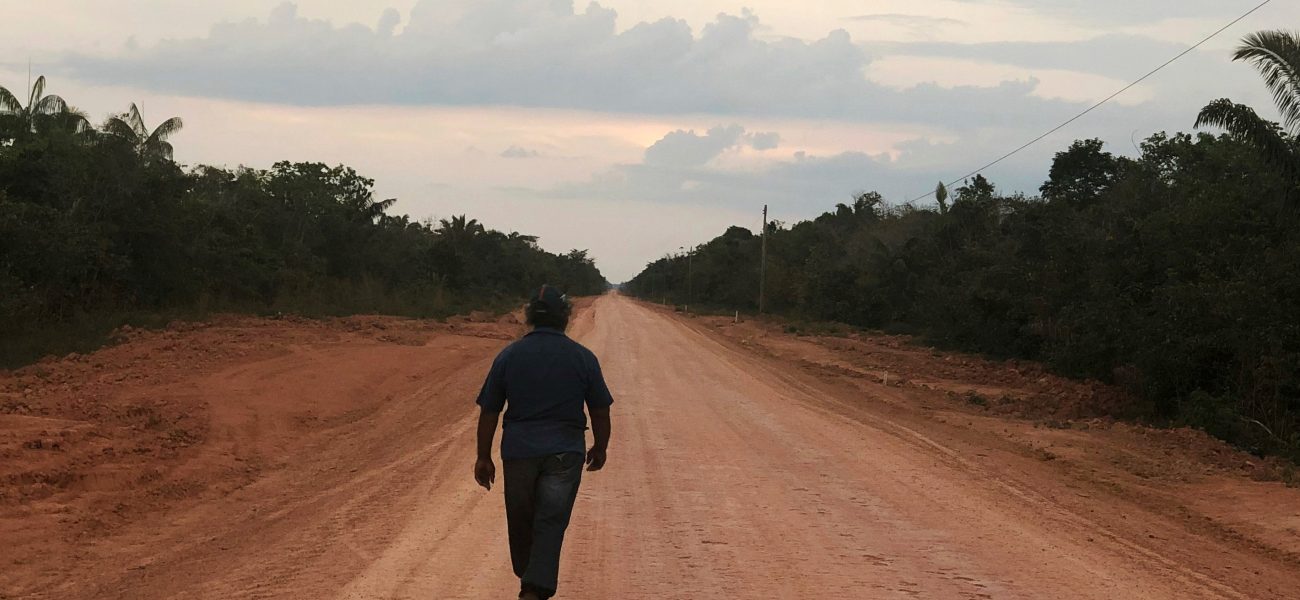
The highway, an existing dirt track in many parts, is notoriously difficult to traverse during the rainy season. Improving it, advocates argue, makes economic sense, linking a massive swathe of the Amazon to major trading routes. But environmentalists and indigenous groups smell a rat—or, more accurately, the distinct whiff of future logging, illegal mining, and land speculation. History tells us new roads, especially in frontier regions, often act like invasive species, bringing unforeseen ecological damage in their wake. A study published in Science Advances in 2022 showed that areas within 5.5 kilometers (roughly 3.4 miles) of roads in the Brazilian Amazon accounted for over 95% of total deforestation between 2000 and 2018. That’s a statistic that doesn’t mince words. That’s a real problem.
And it’s a familiar bind for developing nations across the globe, from the Amazon basin to the Karakoram foothills. Look, countries like Pakistan, for instance, understand this tightrope walk implicitly. They’ve also been under immense international pressure regarding their environmental footprint, despite facing different climatic challenges and socio-economic realities. Whether it’s glacial melt in Gilgit-Baltistan or rainforest destruction in Rondônia, the plea for economic advancement often collides with stern warnings from the wealthy nations that, arguably, developed themselves into prosperity by externalizing many of these same environmental costs. It’s an inconvenient truth, isn’t it?
Marina Silva, Brazil’s Minister of Environment and a long-time champion of the Amazon, struck a more cautious, albeit diplomatically crafted, tone. “The challenge is immense, perhaps the greatest we’ve ever faced. This highway has a legacy. We know the risks involved. Our commitment is to ensure that the development promoted by this project doesn’t come at the cost of irreversible destruction. The integrated protection plan isn’t just a document; it’s a declaration of intent, backed by enforcement we’ve only dreamed of before.” A declaration of intent. Words have power, sure, but the Amazon needs more than declarations.
📄 POLICY WIRE WHITEPAPER PUBLISHED: PAKISTAN'S NATIONAL SECURITY POLICY PRIORITIES
👉 READ BY CLICKING HEREWhat This Means
Politically, this maneuver by Lula is a masterclass in appeasement. He’s trying to pacify Brazil’s powerful agribusiness lobby and northern state governors clamoring for better infrastructure, all while keeping his international environmental credentials—and funding streams—intact. It’s an agonizing balancing act, demonstrating that even a supposedly green government can’t escape the brute realities of economic demand and regional political pressures. He’s telling two different audiences exactly what they want to hear, and for a politician, that’s often the goal, if not always the path to ideal outcomes.
Economically, the highway promises connectivity and reduced transportation costs for a resource-rich, but infrastructurally poor, region. Think of the soy, beef, — and minerals that could move faster to market. But the downside could be colossal: accelerated deforestation leading to decreased rainfall (and thus agricultural productivity) in southern Brazil, further driving global climate disruption, and potentially compromising a carbon sink that regulates weather patterns for continents, not just Brazil. Because what happens in the Amazon, truly, doesn’t stay in the Amazon. The price tag for climate-related disasters worldwide is already staggering. This could add to it.
This episode serves as a grim reminder that the rhetoric of ‘sustainable development’ often finds itself mangled in the messy execution of real-world politics. Brazil’s actions will be watched not just by environmentalists, but by other developing nations seeking similar growth without incurring the world’s environmental wrath. Can Brazil rewrite the script of development-equals-destruction, or will the $75 million highway be just another grave marker for a piece of the world’s natural heritage? The jungle, stoic — and indifferent, awaits its answer.