


Africa on Edge: Ebola’s Return Tests Fragile Global Preparedness, Echoes of Crises Past
POLICY WIRE — Geneva, Switzerland — The ghost in the global health machine isn’t some abstract threat anymore, is it? It’s the nagging, recurring reality of diseases that simply refuse to...

POLICY WIRE — Geneva, Switzerland — The ghost in the global health machine isn’t some abstract threat anymore, is it? It’s the nagging, recurring reality of diseases that simply refuse to stay put, or to learn our geopolitics. While much of the developed world frets over energy prices and sputtering economies, another grim chapter of public health precarity unfurls across Africa, a stark reminder that some challenges don’t just ‘go away.’ And that’s where we find ourselves today, staring down the barrel of Ebola’s re-emergence.
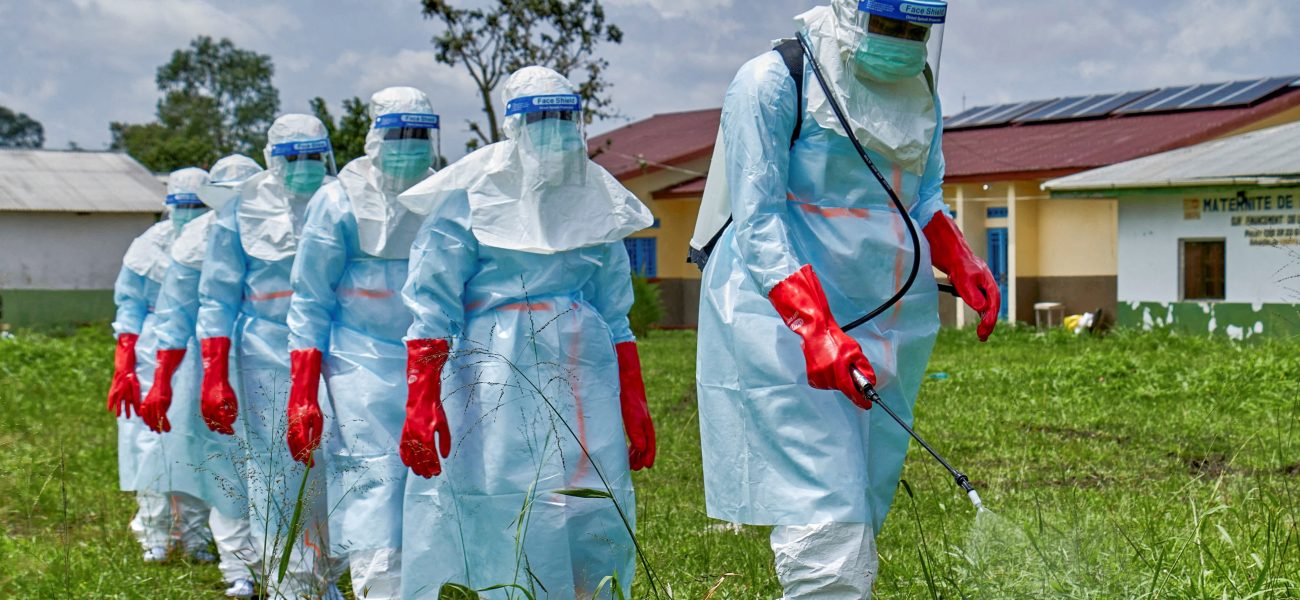
It’s a chilling familiar tune: the Africa Centers for Disease Control and Prevention (Africa CDC) recently put ten countries on high alert. That’s ten nations, stretching across East — and Central Africa, told to brace for impact. Because in Uganda, three more cases of the highly contagious and often deadly hemorrhagic fever have surfaced, rattling already strained health infrastructures. We’ve seen this before—far too many times.
Dr. Miriam Adebayo, Director of Public Health for the East African Community, didn’t mince words, which, frankly, was a relief. “We’re past the point of isolationism with these threats. What happens in one village can ripple across a continent faster than an airplane crosses the sky. Our early warning systems? They’re only as good as our shared data and resources, aren’t they?” she quipped during an unscheduled press briefing, a touch of weary resignation in her voice.
The latest strain is thought to be the Sudan Ebola virus, historically one of the deadlier variants. It’s got no approved vaccine, complicating any response effort significantly. You can almost feel the collective sigh of global health experts; it’s always something, isn’t it?
Because while the focus here is rightly on Africa, the wider implications are anything but confined. The movement of people across porous borders, the vital trade routes, the simple act of human migration—all make it ridiculously easy for a localized crisis to go regional, then global. You don’t have to look far to see parallels in the constant challenges faced by countries like Pakistan, which sits on a nexus of trade, pilgrimage, and refugee movements. Islamabad’s Expanding Peace Role might focus on geopolitics, but even that diplomacy lives and dies by human movement, making health security a quiet, critical component.
But the real rub? Sustained commitment. Or rather, the lack of it. Ambassador Farid Rahman, former Head of Mission for a prominent UN agency, specializing in health crises in Muslim-majority nations, put it bluntly: “The world gets very good at reacting to epidemics, doesn’t it? But proactive investment in fragile health systems, particularly across the Global South—from Kampala to Karachi—that’s still a tough sell for donors. It’s an uncomfortable truth.” He’s not wrong; emergency funding often comes in deluges, then trickles to nothing once the immediate headlines fade.
📄 POLICY WIRE WHITEPAPER PUBLISHED: PAKISTAN'S NATIONAL SECURITY POLICY PRIORITIES
👉 READ BY CLICKING HEREThe World Health Organization (WHO) noted that between 2000 and 2020, communicable diseases accounted for an average of 42% of all deaths in low-income countries. A sobering figure, demonstrating that outbreaks like this aren’t aberrations; they’re features of a stark inequality in global health outcomes. It’s a systemic problem, don’t you think?
What This Means
Politically, this fresh Ebola scare puts immense pressure on African governments to demonstrate competence and control—or risk severe destabilization. It’s not just about managing the sick; it’s about maintaining public trust, preventing social unrest, and reassuring nervous investors. Economically, even the mere *threat* of a widespread outbreak can decimate local economies. Trade grinds. Tourism dries up. Agricultural labor might become scarce as people self-isolate. Remember how global travel suffered? This time, African nations will likely bear the brunt of any renewed fear, potentially widening economic disparities.
It also forces a spotlight back onto the international community’s uneven focus. Resources often get diverted based on immediate, highly visible threats to wealthier nations, leaving persistent, deadly diseases in the global South to fester. This cycle — neglect, explosion, frantic reaction, then neglect again — it’s not just inefficient; it’s inhumane. This new outbreak will test our collective memory and capacity for genuine, long-term health security, or simply confirm what cynics already suspect: that some lives, and some crises, just don’t capture headlines for long enough to merit sustained intervention. Maybe that’s the UN’s routine tragedy in a different guise.