


Hoops & Hardball: When the Boston Celtics’ Billion-Dollar Roster Became Just Another Commodity Exchange
POLICY WIRE — Boston, USA — For legions of devotees, the game’s heart beats with allegiance and enduring heroes. For the owners and executives — well, that’s just sentimental bluster, isn’t it?...

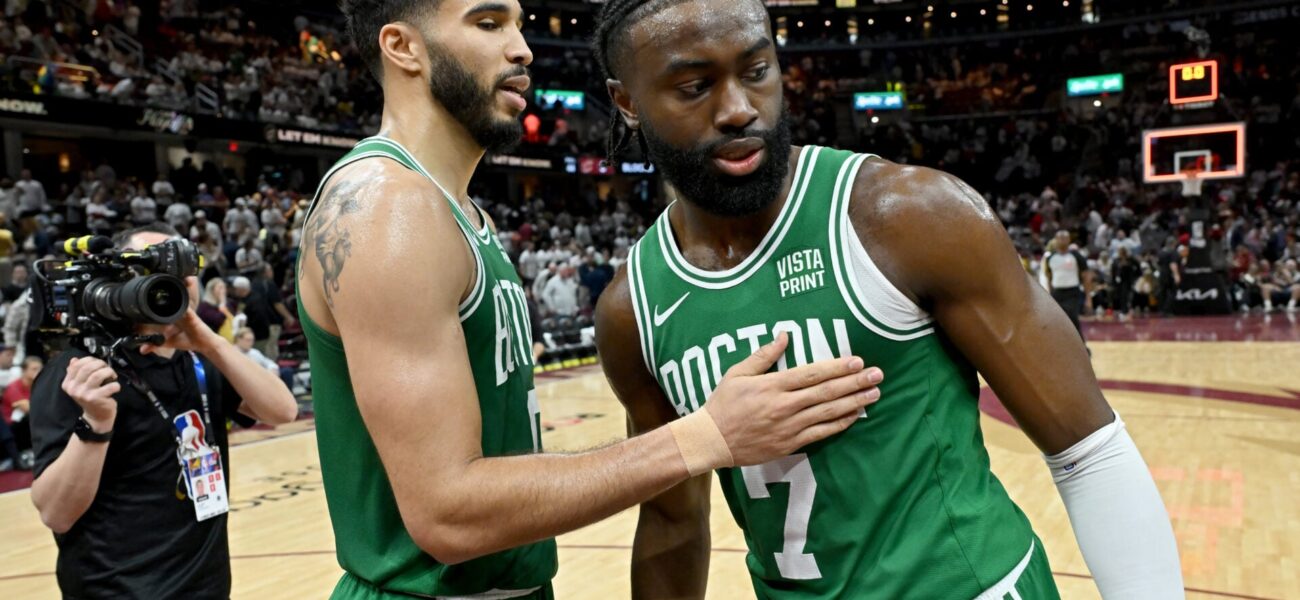
POLICY WIRE — Boston, USA — For legions of devotees, the game’s heart beats with allegiance and enduring heroes. For the owners and executives — well, that’s just sentimental bluster, isn’t it? Boston’s hallowed parquet floor, once the stage for tales of unyielding brotherhood between two of the NBA’s most electrifying young stars, now serves as a fresh reminder: professional sports, at their core, are an elaborate, multi-billion-dollar marketplace. Talent moves. Capital dictates. And nobody, not even a celebrated tandem responsible for years of highlight reels and championship contention, is truly safe from the ledger sheet.
Jayson Tatum, the undisputed marquee name for the Boston Celtics, recently articulated the uneasy reality settling over Beantown after his long-time co-star, Jaylen Brown, was jettisoned to the Philadelphia 76ers. “If I’m being transparent, it’s weird,” Tatum admitted, his tone a mix of resignation — and genuine sentiment. “I’ve been with the Celtics nine years, and he was my teammate in every single one.” That’s a decade, nearly, a rare run in a league infamous for its churn. But personal history, he knows, doesn’t pay the bills. And it certainly didn’t prevent Boston’s front office from pulling the trigger on a seismic trade that saw Brown, along with a treasure chest of draft picks (two first-rounders, two second-rounders, to be precise), depart for the City of Brotherly Love in exchange for Paul George, Mitchell Robinson, and Mike Conley.
It’s the kind of shake-up that ripples far beyond American arenas. Basketball’s global reach means player movements become talking points in Karachi, fan communities in Jakarta, and aspiring athletes across the Muslim world. The financial flows are enormous. According to a 2023 report from Statista, the National Basketball Association’s global market size was estimated at a staggering 1.9 billion U.S. dollars, with significant portions of that coming from international media rights — and merchandising. Every roster move, then, isn’t just about wins and losses; it’s about brand value, subscriber numbers, and the cultivation (or alienation) of a massive, multinational consumer base.
“You understand that throughout the course of a career, the NBA is a business and people change teams, coaches, and front offices change, but it doesn’t make it any easier,” Tatum went on. “There’s still a human element to it that you feel those emotions. The city (Boston) feels those emotions. But there’s also the side of having to welcome our new teammates with open arms, and we still have to attack the new season. So, there’s a balance, but it’s weird.” Indeed. You can’t put a price on friendship, they say, but the Celtics just did—and they’ve signed off on the receipt.
This whole situation – Brown having been reportedly offered to Milwaukee for Giannis Antetokounmpo before the Sixers deal – perfectly encapsulates the brutal transactional nature of top-tier sports. It’s less about ‘loyalty’ — and more about optimizing assets. Brown was seen as a commodity, an immensely valuable one, yes, but still a piece on a very expensive chessboard. Once his situation reportedly became ‘untenable,’ Boston’s high command didn’t hesitate. That’s just how the game is played off the court. And the player, with contracts ranging into hundreds of millions, holds less leverage than fans might imagine.
Because, for every tearful fan or melancholy superstar, there’s a general manager calmly eyeing salary cap space and future draft capital. “Sentimentality doesn’t win championships,” an anonymous NBA front office official recently quipped over a secure line, echoing the pragmatic gospel that drives these decisions. “You’re acquiring the best available talent package that fits your strategic timeline. Jaylen Brown is exceptional, no doubt, but the collective bargaining agreement ensures every player, even those deemed untouchable, has a price point. It’s simple economics on an incredibly large scale.” A cynical take? Perhaps. But an accurate one? Absolutely.
📄 POLICY WIRE WHITEPAPER PUBLISHED: PAKISTAN'S NATIONAL SECURITY POLICY PRIORITIES
👉 READ BY CLICKING HERETatum’s now tasked with leading a new-look squad that, on paper, still boasts title aspirations. It’s a challenge—no question. He’ll need to elevate his play to an MVP-caliber plane more than ever to compensate for the fundamental change in team dynamics. It’s the solitary weight of leadership, often born out of decisions made far above the players’ paygrade.
What This Means
The Jaylen Brown trade isn’t just a blip in sports news; it’s a policy lesson on multiple fronts. For starters, it showcases the relentless commodification of high-level labor, where even individuals celebrated for their character and community ties are primarily viewed through a lens of market value and fungibility. This phenomenon resonates globally, mirroring talent migration patterns seen in sectors like tech, healthcare, and engineering across regions, including Pakistan and its South Asian neighbors, where highly skilled professionals often move based on economic incentives rather than perceived loyalty to a locale or a specific organization. The Boston Celtics’ front office isn’t acting any differently than a multinational corporation relocating a key division or an NGO shifting personnel—it’s about strategic alignment and maximizing output.
the trade underscores the inherent tension between individual agency — and organizational control. Players, despite their colossal earnings, are bound by contracts that can make them assets to be bought, sold, or packaged. This power dynamic, dictated by collective bargaining agreements (which are themselves economic policy instruments), creates an ecosystem where personal relationships often bend to business imperatives. Fans, too, are implicated: their emotional investment is leveraged to build brand loyalty, yet their allegiances are frequently tested by these cold corporate decisions. It raises questions about the ethical bounds of fandom and the societal role of highly capitalized entertainment industries. It’s a high-stakes, real-world case study in how talent management evolves under immense financial pressure. And if that isn’t a policy wire exclusive, what’s?