


Las Vegas Fallout: How a Whispered Taunt Unpacked the Raw Business of Loyalty in Pro Sports
POLICY WIRE — Las Vegas, USA — It wasn’t the clang of slot machines or the roar of an arena that echoed through a discreet Las Vegas hotel corridor last Friday. Instead, it was the decidedly...

POLICY WIRE — Las Vegas, USA — It wasn’t the clang of slot machines or the roar of an arena that echoed through a discreet Las Vegas hotel corridor last Friday. Instead, it was the decidedly less glamorous sound of professional allegiances shattering, with a punch heard, apparently, ’round the sports world. Forget the grand pronouncements of team solidarity or the glossy handshake deals. Because when players start taking swings over social media chatter, you know it’s about something far more primal: perceived disrespect and a multi-million-dollar bottom line.
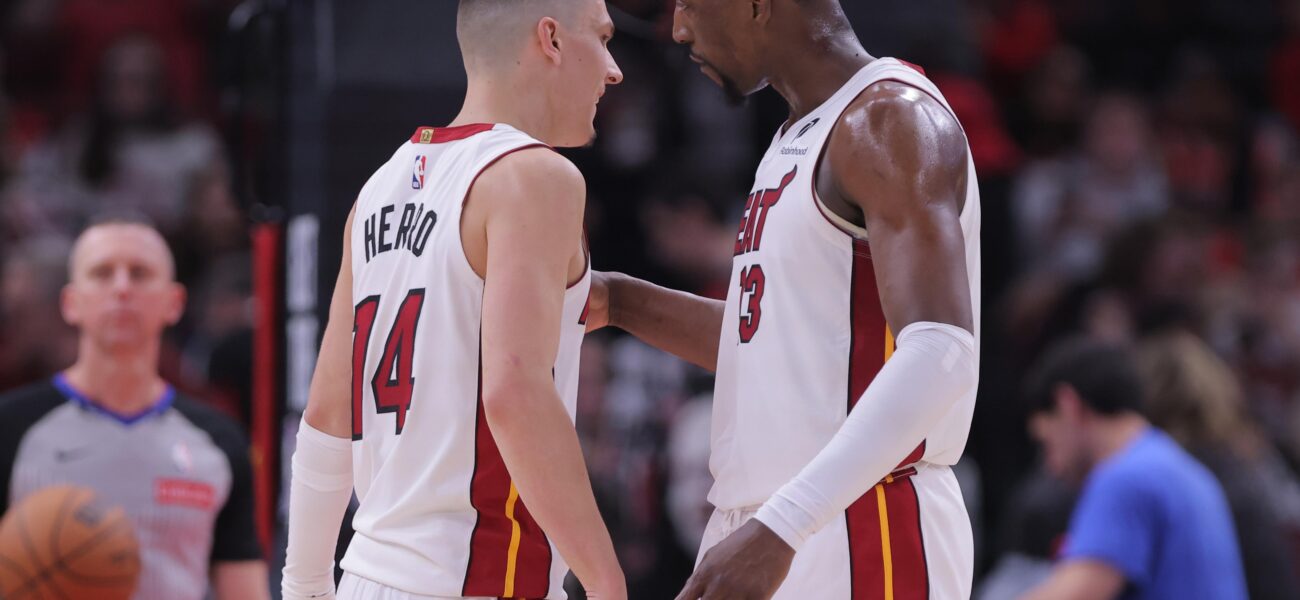
Bam Adebayo, a name synonymous with defensive tenacity and Miami Heat loyalty, reportedly didn’t appreciate the digital darts thrown his way by former teammate Tyler Herro. Herro, fresh off a blockbuster trade sending him to the Milwaukee Bucks (part of that massive Giannis Antetokounmpo deal, you remember), had apparently let slip some pointed remarks in a leaked WhatsApp chat. The gist? He thought Adebayo, pulling down a cool $60 million, wasn’t always delivering on the ‘top tier defender’ promise. Strong words, right? But the consequences were even stronger.
ESPN insider Shams Charania, never one to miss a whisper in the NBA wind, confirmed the fisticuffs. Adebayo reportedly confronted Herro on a practice court, far from the cameras, in a hotel gymnasium during the NBA summer league. It escalated, fast. And Herro, it seems, ended up with a physical reminder of the unwritten code that sometimes governs professional sports. It’s less about winning games on the court, more about protecting your image and, let’s be honest, your bankability off it.
“You talk like that, it’s gotta be dealt with, plain and simple,” a source close to Adebayo, requesting anonymity to speak frankly, told Policy Wire. “Doesn’t matter who’s watching, some lines ain’t meant to be crossed, especially not by a former teammate making those kinds of insinuations. It’s an issue of respect.” And respect, in the cutthroat arena of professional athletics, isn’t always gently negotiated. It’s often demanded. But also, because reputations are so intertwined with market value, a perceived slight can sting harder than any physical blow.
The drama itself offers a cynical lesson in modern athlete branding: Every word matters, even in supposedly private chats. But Herro, for his part, appears unbowed. “It’s a big business, isn’t it?” countered someone familiar with Herro’s thinking. “Players are pieces. You speak your mind on what’s real, — and some folks just can’t take the truth. Simple as that.” You see that kind of frankness everywhere now, fueled by the relentless social media cycle. It makes you wonder how long team camaraderie can genuinely last in an age of such transactional relationships.
Indeed, a recent study by the Sports & Economic Insights Group revealed that player contract values have inflated by 42% over the last decade, far outpacing fan engagement metrics, intensifying pressure on players to justify every dollar. When you’re pulling down eight-figure salaries, every perceived underperformance, every thinly veiled jab, carries a much heavier weight.
📄 POLICY WIRE WHITEPAPER PUBLISHED: PAKISTAN'S NATIONAL SECURITY POLICY PRIORITIES
👉 READ BY CLICKING HEREAnd then there’s the sheer absurdity of it all, playing out globally. This kind of celebrity spat, born from American sports, doesn’t stay confined to a single news cycle in the West. News of the Adebayo-Herro fracas undoubtedly reached Karachi just as quickly as Kansas City. For publications in Pakistan and across the Muslim world, such stories often offer a glimpse into the unfiltered drama of Western celebrity culture—a peculiar contrast to their own, often more measured, discussions of public discourse, but consumed with similar fervor. It speaks to a global fascination with individual pride, social media missteps, and the dramatic unraveling of loyalty that transcends borders. And sometimes, it’s far easier to dissect a basketball feud than the nuances of, say, regional diplomacy.
What This Means
This incident, petty as it may seem on the surface, is a glaring symptom of deeper currents in professional sports. For one, it exposes the ever-thinning line between personal feelings — and professional conduct in the social media age. WhatsApp might feel private, but screenshots? They’re forever. Agents, PR teams, and team management are now navigating a minefield where an offhand comment can instantly spark a physical confrontation and ignite a global scandal.
Economically, these scuffles have real implications. Player cohesion directly impacts on-court performance, which directly impacts ticket sales, merchandise, and lucrative endorsements. Teams invest hundreds of millions in players; a fractured locker room isn’t just bad for morale, it’s terrible for the balance sheet. For Milwaukee, they just acquired a player involved in this public beef—a messy start for Herro, who’s supposed to integrate seamlessly. For Miami, it highlights past internal dynamics, potentially giving future free agents pause, even if both players are now separated. The ripple effect extends even to geopolitics, where, oddly enough, the subtle art of not offending someone often dictates complex negotiations, not unlike the unwritten rules of respect between athletes. You can’t help but draw parallels, can you, to delicate situations where Pakistan’s role in the US-Iran process often hinges on careful diplomatic phrasing, ensuring no ‘social media’ moment creates a far larger, international incident.
Ultimately, this Vegas dust-up serves as a blunt reminder: modern professional sports isn’t just a game. It’s a high-stakes, hyper-scrutinized business where ego, money, and now, viral social media posts, are continually colliding, often with physical results. And it’s getting messier by the season.