


Shadow Play: Capitol Demands Truth on Iran Strike While Pentagon Remains Mute
POLICY WIRE — Washington, D.C. — You don’t have to watch old spy flicks to grasp how the game works. Washington’s deep state, the Pentagon specifically, loves its secrets like a cat loves...

POLICY WIRE — Washington, D.C. — You don’t have to watch old spy flicks to grasp how the game works. Washington’s deep state, the Pentagon specifically, loves its secrets like a cat loves cream. It’s an unspoken covenant, a sacred vow to maintain a tight-lipped composure, particularly when things go sideways. This week, however, some of the folks on Capitol Hill decided they’d had enough of the official silence, poking and prodding the Defense Department for a rare peek behind the curtain.
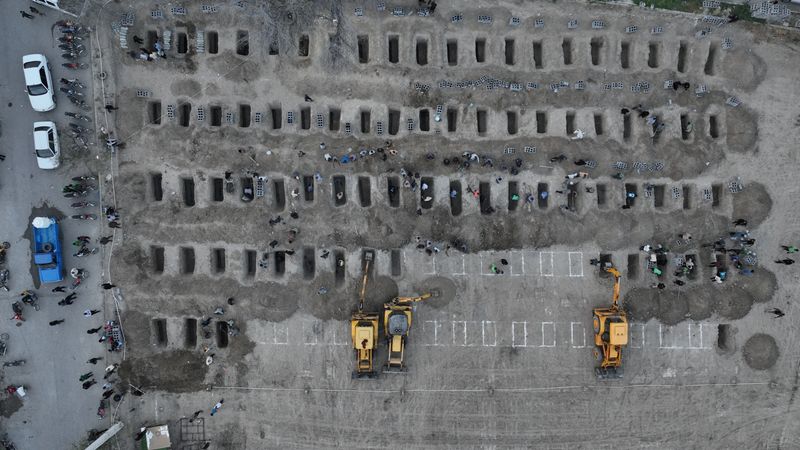
It isn’t about some distant, forgotten skirmish, either. This is about an alleged strike—a targeting operation, as the Pentagon likes to call it—that hit what appears to have been a school compound in Iran. The incident, murky in detail and heavy on unanswered questions, has simmered for weeks, bubbling just beneath the surface of the Beltway’s perpetually distracted news cycle. But, lawmakers, a bipartisan gaggle of them, weren’t content to let it simply dissipate.
They’ve sent a pointed missive to the Pentagon chief, Defense Secretary Lloyd Austin, wanting the full skinny on the investigation into this particular operation. The message? It’s not just polite inquiry; it’s a demand for cold, hard facts. One doesn’t just issue demands to the Pentagon on a whim. There’s a lot riding on it. And frankly, the longer official channels stonewall, the uglier the whispers get.
Because let’s be real, the public, — and indeed much of the international community, has a long memory. This isn’t the first time an opaque U.S. military operation has raised uncomfortable questions about civilian casualties or targeting protocols. Think back to the drone campaigns across Afghanistan and Pakistan, operations that left a trail of questions regarding accountability and unintended consequences. Independent human rights organizations, like Airwars, have frequently noted significant discrepancies between U.S. military admissions of civilian harm — and their own ground-level estimates. For instance, in 2021, Airwars documented over 500 alleged civilian deaths from U.S.-led operations in countries like Syria and Iraq, a figure often considerably higher than official statements. That’s a pattern, not an anomaly, and it wears down trust.
So, these lawmakers? They aren’t just asking out of intellectual curiosity. They’re trying to push back against a tide of suspicion that’s become a geopolitical headache. But getting anything truly unvarnished out of Foggy Bottom or Arlington—especially when the target is Iran, a perennial antagonist in Washington’s strategic playbook—is always a Herculean task. It’s a bureaucratic wrestling match where the default setting is often obfuscation, not candor.
The call for transparency comes not just from the usual critics of U.S. military engagements, but from members who often toe the party line. They reportedly articulated a need for [QUOTE_PLACEHOLDER] to preserve trust at home — and project credibility abroad. This particular strike, it appears, isn’t going to be allowed to fade into the ether without a fight. One senior staffer I chatted with recently quipped, off the record of course, that [QUOTE_PLACEHOLDER] when the global perception of American precision is at stake.
It’s all part of a larger, messier saga. The Middle East and South Asia, a region many Policy Wire readers understand is in perpetual flux, always keeps an eye on U.S. military actions. From Baghdad to Islamabad, such strikes, regardless of stated intentions, carry ripple effects. They’ve stoked anti-American sentiment, bolstered extremist narratives, and often complicated diplomatic efforts that take years to build. Pakistan, a critical non-NATO ally, has repeatedly voiced concerns over sovereignty and civilian casualties from past cross-border operations. And for good reason: these events don’t just happen in a vacuum; they leave a lasting impression.
📄 POLICY WIRE WHITEPAPER PUBLISHED: PAKISTAN'S NATIONAL SECURITY POLICY PRIORITIES
👉 READ BY CLICKING HEREThe Pentagon, predictably, hasn’t rushed to hand over the goods. Their standard response tends to lean toward boilerplate assurances about thoroughness — and security. And what else did we expect? It’s their playbook, chapter and verse. But in an age where information, however distorted, zips around the globe in seconds, playing the long game of bureaucratic silence might not be the shrewd move it once was.
But make no mistake; this isn’t just about accountability for one event. It’s a systemic problem, one that stretches back decades. And frankly, Washington seems forever locked in this loop, pushing and pulling over information that, ultimately, impacts far more than just internal policy debates.
What This Means
This push for transparency from Congress isn’t just bureaucratic nitpicking; it signals a potentially growing discomfort within official circles about the U.S. military’s enduring opaqueness. Politically, the administration faces increasing pressure to demonstrate that its global operations align with its stated values, especially concerning civilian protection. If the Pentagon continues to resist, it risks exacerbating domestic divisions — and international skepticism. This isn’t merely an ‘Iran issue’—it’s a litmus test for America’s willingness to be genuinely accountable on the global stage.
Economically, persistent allegations of unaddressed civilian harm, especially in regions already fragile, can complicate foreign aid, trade relationships, and energy markets. It makes states less willing to collaborate, viewing U.S. engagement as potentially destabilizing rather than securing. The long-term cost of lost trust, particularly in regions like South Asia and the broader Muslim world, far outweighs the short-term benefits of maintaining secrecy. Consider the difficulties in establishing stable alliances or ensuring logistical support when partner nations constantly second-guess U.S. intentions or methodologies. An opaque foreign policy is rarely a cost-effective one.
The immediate implication for the current administration is a direct challenge to its narrative of restored alliances and renewed multilateralism. If it can’t deliver transparency to its own lawmakers, its claims of global leadership become flimsy. for countries like Pakistan, grappling with their own regional security concerns and internal stability, such incidents reinforce long-held anxieties about unilateral U.S. actions and their downstream effects. They’re watching this closely. The Pentagon’s silence isn’t just a D.C. problem; it’s a global strategic liability. This entire episode—a school, Iran, congressional outrage—it’s not just a footnote. It’s a bellwether, a clear signal that the old ways just aren’t cutting it anymore.