


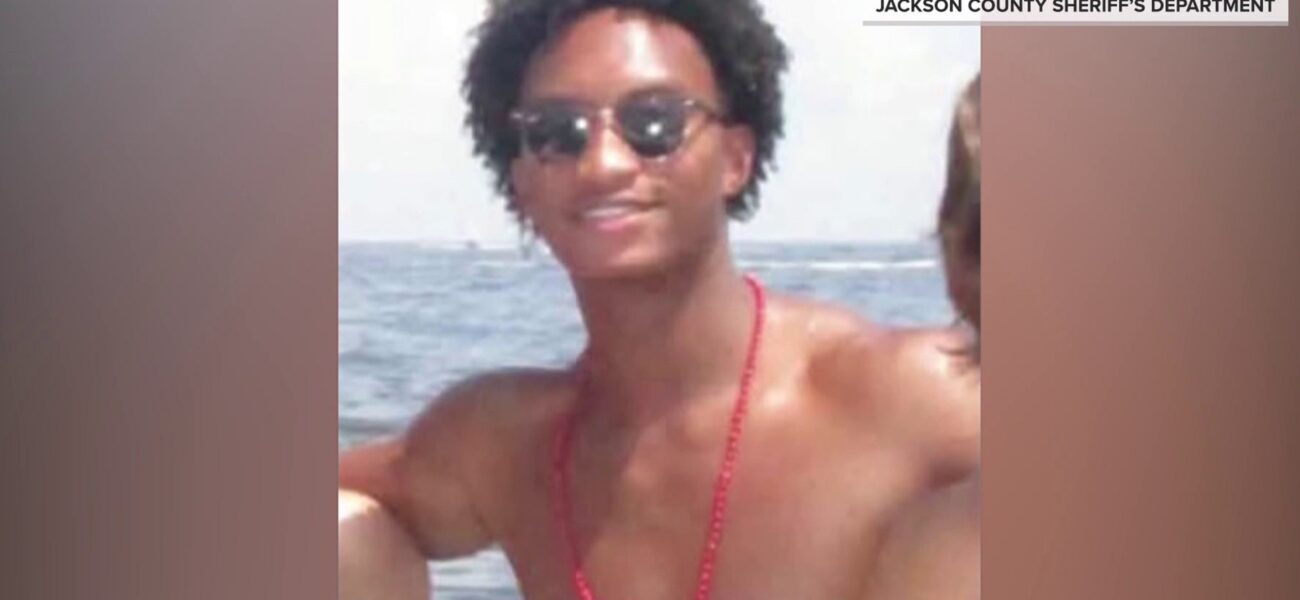
Shadow of Doubt: Family Retains Legal Heavy Hitter in Nolan Wells Death Investigation
POLICY WIRE — Washington, D.C. — Sometimes, the quietest moves speak volumes about a system’s faith, or lack thereof. It isn’t the official pronouncement or the bureaucratic reassurances that grab...

POLICY WIRE — Washington, D.C. — Sometimes, the quietest moves speak volumes about a system’s faith, or lack thereof. It isn’t the official pronouncement or the bureaucratic reassurances that grab headlines; it’s when a grieving family, facing unimaginable loss, decides to bypass the well-worn paths and blaze their own trail for truth. They’ve gone — and done just that, seeking out an independent investigation into Nolan Wells’ death. Because, let’s be honest, the wheels of justice, even in supposed bastions of transparency, often grind excruciatingly slow, and sometimes, they just don’t grind at all without a powerful shove.
The specific circumstances around Wells’ passing remain [QUOTE_PLACEHOLDER] shrouded in a sort of frustrating vagueness. What we know for sure is that the Wells family isn’t sitting still, waiting for answers to magically appear. No, they’re digging in, lawyering up. They’ve brought in a prominent lawyer to investigate death, a move that pretty much screams volumes about their confidence, or profound lack of it, in the state’s current efforts. And frankly, who can blame them?
This isn’t just a localized drama; it’s a global phenomenon, really. Whether you’re talking about Karachi or Kansas City, families too often feel unheard, dismissed by established institutions. Think about it: how many times have we seen the narrative pushed by authorities just not sit right with those directly affected? Far too many, for sure. The hiring of high-caliber private counsel suggests an almost inherent skepticism—a suspicion that the initial inquiry, whatever form it took, might’ve been either insufficient, misdirected, or worse, compromised.
But this isn’t just about feeling. There’s real data behind these instincts. A 2023 analysis by the Pew Research Center indicated that public trust in the justice system, particularly among certain demographics, has fallen to historic lows, with just 17% of respondents expressing a great deal of confidence. That’s a stark, brutal number, and it perfectly explains why families are forced to become their own investigators, their own champions.
The lawyer’s mandate is pretty clear, or at least it always is in these cases: to uncover every single stone the initial investigation might have overlooked, to scrutinize evidence with fresh, unjaundiced eyes, and to ask the questions nobody else seems willing to utter out loud. They want facts. They want accountability. And they want closure that isn’t just a convenient narrative handed down from on high.
This whole situation – it’s a stark reminder that even in countries boasting robust legal frameworks, there’s always a quiet undercurrent of frustration. It’s especially true for those without significant resources, who can’t just pick up the phone and hire an elite legal team. But for the Wells family, it appears, that wasn’t an option they considered. And you can see why. The price of an unanswered question, after all, can be a lifetime of agonizing doubt.
📄 POLICY WIRE WHITEPAPER PUBLISHED: PAKISTAN'S NATIONAL SECURITY POLICY PRIORITIES
👉 READ BY CLICKING HEREIn many parts of the world, like Pakistan, for instance, where institutional mistrust runs even deeper, private inquiries are almost a given in high-profile cases—especially when state machinery appears to falter or show bias. Here, perhaps, we’re seeing that same dynamic starting to echo in places previously considered immune. It’s a dangerous erosion of public faith, isn’t it, when personal resources become the primary leverage for truth?
And it puts incredible pressure on the initial authorities involved. Any findings the prominent lawyer unearths—if they contradict the official line—will only intensify scrutiny, perhaps even forcing a re-evaluation of current procedures. That kind of external pressure, sometimes it’s the only thing that works to shake things loose.
What This Means
This development isn’t just a personal tragedy for the Wells family; it’s a loud political bellwether. When private citizens, armed with resources and legal expertise, step in where public institutions are perceived to have fallen short, it speaks to a deeper malaise in societal trust. Economically, this signifies a booming, albeit somber, market for private investigators and legal professionals specializing in complex, controversial cases. It’s a premium placed on bespoke justice, essentially. If justice becomes a commodity only accessible to those who can afford their own independent probes, the social contract fundamentally fractures. For politicians and policymakers, it should be a blaring siren: the state’s monopoly on truth-telling is weakening, replaced by a cynical, fractured landscape where each incident gets its own shadow inquiry. The implications for government legitimacy, already shaky in an age of disinformation, are dire. This trend, if it spreads, could lead to a two-tiered system of justice: one for those with means to pursue independent routes, and another, less accountable, for everyone else. And nobody wants that.