
Ghost Tracks and Greenbacks: NASCAR’s North Wilkesboro Resurrection Ignites Policy Debate
POLICY WIRE — RALEIGH, North Carolina — They said it couldn’t be done, that the rust would claim it for good. But then, politicians got involved. The dust, the real kind, hadn’t even fully settled...

POLICY WIRE — RALEIGH, North Carolina — They said it couldn’t be done, that the rust would claim it for good. But then, politicians got involved. The dust, the real kind, hadn’t even fully settled from the fanfare of North Wilkesboro Speedway’s initial return when whispers turned to outright shouts: the venerable short track wasn’t just a novelty, it was a policy investment, a calculated bet on nostalgia and noise. Now, with the July 2026 Truck Series entry list for the FaithFest 250 spilling out, it’s clearer than ever: this isn’t just a race; it’s a living, roaring exhibit of how state coffers can, for better or worse, resurrect a legend. Forget the predictable list of names; the real story is in the ledger, and the echoes across communities watching to see if their forgotten Main Streets might get a similar shot of adrenaline.
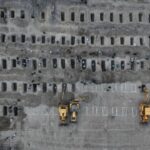
Because let’s be honest, few expected a Cup Series points race at North Wilkesboro just a few years ago. The track, shuttered for over a quarter-century, was a ghost, a crumbling concrete monument to what once was. But millions in state funding—millions—have brought it back, bigger and brighter, a gleaming middle finger to the doomsayers. And that state investment, roughly $18 million for the initial revitalization, wasn’t charity. It was projected to inject over $300 million in economic impact into North Carolina over the next three years, according to a legislative report preceding the revival.
It’s big money, for big spectacle. Christopher Bell in the No. 62, Shane van Gisbergen carving up turns, even Chase Elliott making a guest appearance—it’s the kind of star power you buy, you really do. This July’s Truck Series showdown, set for 2026, already boasts 39 entries, meaning a few unlucky souls won’t even make the show. Talk about fierce competition; that’s raw, old-school NASCAR intensity, delivered straight to an audience that probably still owns VHS tapes of their favorite races.
“The return of North Wilkesboro wasn’t just about paving a track; it was about honoring North Carolina’s heritage and, frankly, proving that strategic public-private partnerships can breathe new life into economic dead zones,” quipped Marcus Smith, CEO of Speedway Motorsports, with his characteristic blend of business acumen and homespun charm. “It’s about more than tickets; it’s about hotel rooms, diner breakfasts, — and a whole lot of American pride.”
But the enthusiasm isn’t entirely universal. Skeptics still eye the balance sheets. Is the state really getting its money’s worth, or are we witnessing another cyclical boom that’ll eventually go bust once the novelty wears off? “We’re carefully tracking the sustained economic benefits,” stated North Carolina Commerce Secretary Machelle Baker Sanders, her voice always measured. “We’ve seen encouraging numbers, certainly, but our department is always focused on long-term, diverse growth, not just one-off events. It’s about diversifying our portfolio, not putting all our eggs into a single high-octane basket.” It’s a nuanced position, a political tightrope walk, to be sure.
📄 POLICY WIRE WHITEPAPER PUBLISHED: PAKISTAN'S NATIONAL SECURITY POLICY PRIORITIES
👉 READ BY CLICKING HEREAnd these discussions aren’t exclusive to the American South. You see similar calculations, albeit with different vehicles, playing out across South Asia. Pakistan, for instance, grapples with enormous infrastructure projects, from CPEC road networks to potential cricket stadium upgrades, always with an eye toward tourism and regional development—always the hope that public investment can kickstart dormant economies. The cultural cachet of sports, whether it’s NASCAR or a world cup qualifying match in Lahore, often acts as a surprisingly effective lubricant for political ambition and economic stimulus. The underlying questions of equity, accessibility, and sustainable returns are much the same, just wrapped in different flags.
Casual fans, of course, they don’t pore over economic impact reports. They want to see someone get sideways in Turn 2, they want the roar. They’ve paid their money, they want a spectacle. It’s an interesting dichotomy, isn’t it? The high-minded policy debates happening far from the asphalt, while down on the track, the pursuit of victory is simple, brutal. The enduring psychology of second place or first place is the same across cultures, after all.
What This Means
North Wilkesboro’s improbable ascent back into NASCAR’s premier spotlight is more than a sporting comeback story; it’s a complex case study in state-backed revitalization efforts. It represents a bold, even audacious, move by North Carolina lawmakers and NASCAR officials to leverage regional identity and sports enthusiasm into tangible economic outcomes. If sustained, this model could well serve as a blueprint—or a cautionary tale—for other states looking to repurpose declining industrial or entertainment infrastructure. The initial data looks good, pointing to substantial tourist dollars flowing into an area that desperately needed them. But here’s the rub: sporting events, by their nature, often create transient economic spikes. The true test lies in whether these investments foster enduring local businesses, create permanent jobs, and diversify the economic base beyond the track. For policymakers, it’s not enough for the crowds to simply show up; the community needs to benefit long after the final checkered flag waves and the RVs have rolled out of town. Failure to convert temporary excitement into lasting prosperity means future public spending on similar projects will almost certainly face heightened scrutiny. This isn’t just about racing; it’s about the very real politics of opportunity and what it costs to buy a little bit of glory.