

Desert Deluge: New Mexico Braces for Monsoonal Fury, Echoing Global Climate Anxiety
POLICY WIRE — ALBUQUERQUE, N.M. — It’s a collective, almost palpable, breath held across New Mexico every summer. Not for sunshine, ironically, but for clouds—those dark, towering thunderheads that...

POLICY WIRE — ALBUQUERQUE, N.M. — It’s a collective, almost palpable, breath held across New Mexico every summer. Not for sunshine, ironically, but for clouds—those dark, towering thunderheads that promise relief. But it’s rarely simple, is it? This isn’t your grandma’s gentle rain shower; it’s the monsoon. And in a state parched, fractured by drought, it’s always a high-stakes gamble between salvation — and catastrophe.
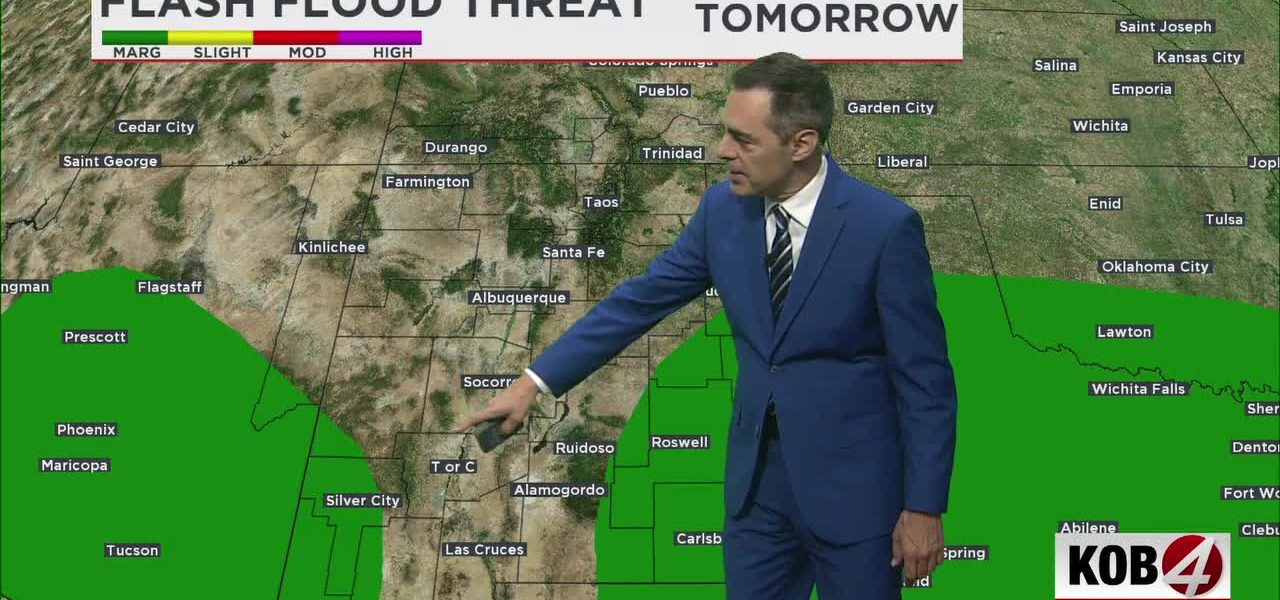
Forecasters are promising scattered storms will continue dancing across the high desert tonight, Sunday, and well into next week. Some places? They’ll just get a dusting. Other spots, especially in the southwest corner of the state by early next week, might see what amounts to a watery wallop—heavy rainfall, strong, whip-lashing winds, and the sort of instant localized deluge that turns dry arroyos into raging rivers.
Albuquerque, ever the hesitant belle of the ball, is currently looking at a modest 20-30% chance of showers come Sunday. It’s hardly a certainty. But even a slim chance in the city brings out a mix of dread — and hope. The air might even cool off a bit, they say, a fleeting reprieve from the desert sun. Because this is the monsoon, after all—a geological and hydrological lottery where life and loss often arrive in the same furious cloudburst.
“We’re not talking about a predictable, gentle soaking that permeates the soil gradually,” stated Dr. Elias Vance, a seasoned climatologist with the New Mexico Department of Water Resources. He knows this dance well. “This is typical monsoon behavior—intense, localized, and sometimes, frankly, quite disruptive. One part of the state might still be baking dry, fighting off wildfires, while another battles flash floods within the same hour. It’s an incredibly nuanced system.”
And that nuanced system holds immense consequence. For a state where, according to recent reports from the U.S. Drought Monitor, nearly 60% of its land was still wrestling with some level of drought heading into these summer months, every drop holds dramatic weight. But its often-violent delivery mechanism makes that weight a very heavy one indeed. There’s a particular kind of irony in longing for water so desperately, yet dreading its arrival.
This complicated relationship with extreme, unpredictable weather isn’t unique to New Mexico’s stark landscapes. The very word “monsoon” conjures images not of dusty Western canyons, but of verdant, often deluged, regions like South Asia. In places like Pakistan, the monsoon doesn’t just offer life-giving water for its vast agricultural heartland—it often arrives with devastating, sometimes genocidal, vengeance. Flash floods there aren’t just an inconvenience; they’re apocalyptic, wiping out villages, claiming lives, and reminding millions of their profound, yet terrifying, dependence on nature’s whim. This New Mexico version, comparatively contained, still offers a stark echo: erratic precipitation, whether it’s two feet of rain over Islamabad or two inches over an Albuquerque arroyo, fundamentally reshapes landscapes and lives, just on different scales and with different societal preparedness levels. For more on how other regions contend with intense atmospheric events, consider the escalating peril facing Southeast Asia when Typhoon Bavi brews.
📄 POLICY WIRE WHITEPAPER PUBLISHED: PAKISTAN'S NATIONAL SECURITY POLICY PRIORITIES
👉 READ BY CLICKING HERE“It’s a blessing, sure, a crucial one for our reservoirs and agriculture,” remarked State Representative Lucia Montoya (D-District 13), whose constituency grapples with both urban development and rural water rights. She’s been around long enough to know the drill. “But you’ve got to balance that joy with the danger. Because a monsoon downpour, as much as it saves us from total aridification, can also quickly wash away roads, destroy homes, and even claim lives. It’s a careful dance we do, year after year, with mother nature.”
Even with the promise of more significant rain by Wednesday or Thursday across wider swaths of the state, any potential heavy rainfall in the region could carry hazards far beyond just wet pavement. And don’t forget the smoke. There’s still some light smoke hanging around from various fires (a stark reminder of how dry it’s been), though air quality, for now, remains decent to moderate in most areas. It’s all part of the seasonal theatre in the Land of Enchantment, a land where survival itself is an artistic defiance of the harsh climate. For insights into the resilience and sometimes hidden struggles of this unique city, read about Albuquerque’s Ink-Stained Legacy.
What This Means
Politically and economically, the monsoon in New Mexico isn’t merely a weather event; it’s an annual litmus test for water infrastructure, emergency services, and agricultural policy. The cyclical pattern of intense drought followed by sudden, violent rain puts immense strain on resources. Farmers and ranchers, already struggling, watch the skies with a grim stoicism—too little rain means failed crops and starving livestock; too much, delivered too quickly, means erosion, damaged fields, and overwhelmed irrigation systems. It’s an almost biblical struggle in a thoroughly modern state. Policymakers face constant pressure to upgrade archaic water management systems and ensure preparedness for flash flooding, a common monsoon-induced killer. This means budget battles over retaining walls, dam maintenance, — and improved early warning systems. It also has a subtle but definite economic impact, particularly on the outdoor tourism sector—fishing, hiking, and camping can all be severely disrupted. When the rain comes, people stay inside, but if it doesn’t, everyone’s livelihoods suffer. The climate anxiety, usually relegated to global headlines, becomes hyper-local and very, very real, impacting everything from insurance premiums to municipal bond ratings tied to water security.