

Europe’s Grand Charade: Paris Pledges Masking a Deeper Global Fracture
POLICY WIRE — Paris, France — The champagne flutes might as well have been clinking. Dignitaries from across Europe—and a smattering of their transatlantic benefactors—convened in the gilded halls of...

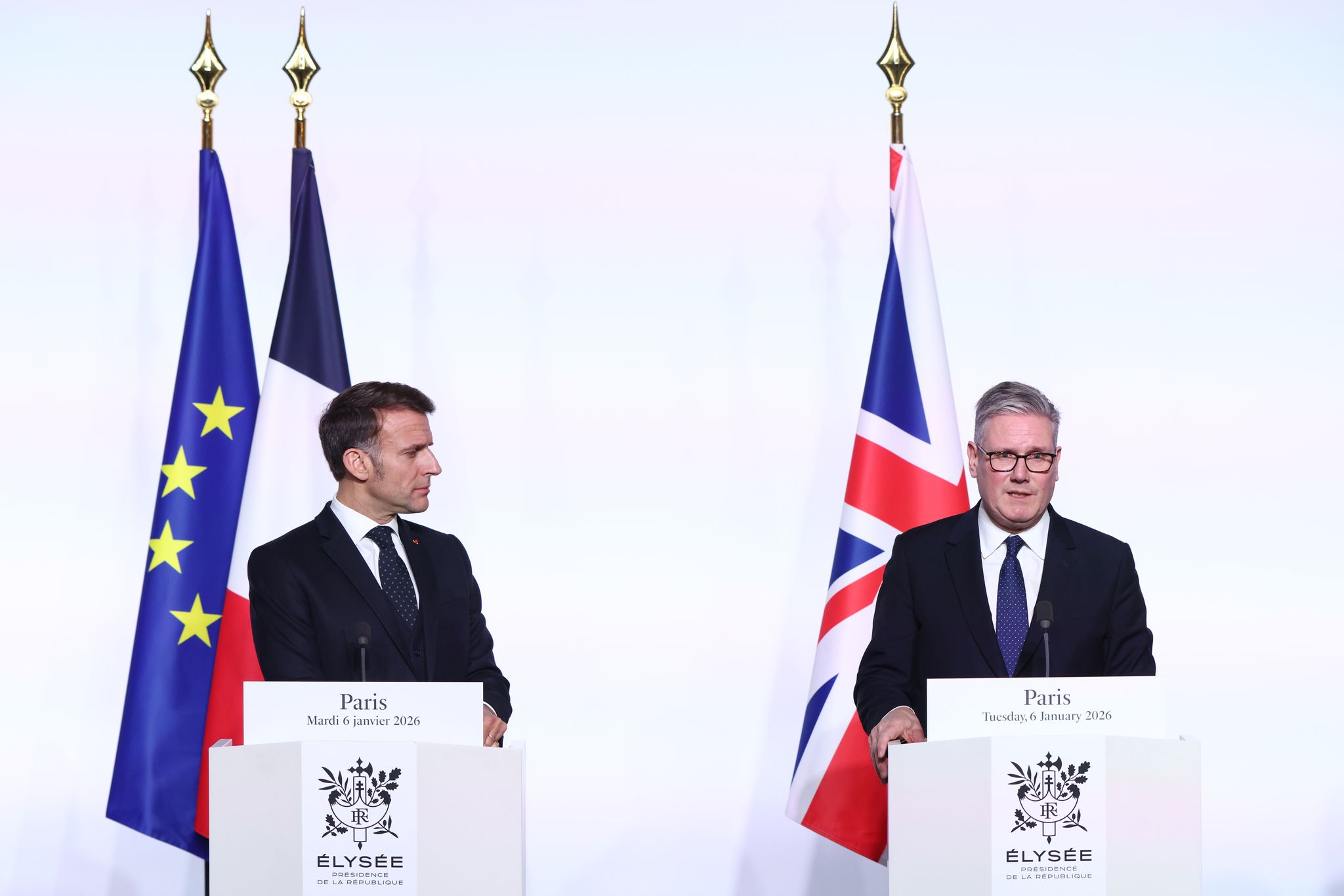
POLICY WIRE — Paris, France — The champagne flutes might as well have been clinking. Dignitaries from across Europe—and a smattering of their transatlantic benefactors—convened in the gilded halls of Paris last week. Ostensibly, they gathered to fine-tune the calculus of Ukraine’s survival; in reality, it felt more like a concerted effort to reassure themselves, and maybe the war-weary public, that ‘solidarity’ was still the going concern.
It’s a curious spectacle, isn’t it? As if another conference, another stack of declarations, will suddenly manifest the artillery shells Kyiv desperately needs. Emmanuel Macron, the French President, stood firm—or at least, he projected firmness. He called for a renewed commitment, a collective ‘mental shift’ to meet Russia’s aggression. But a closer look, even a casual observer’s glance, reveals fissures beneath the polished rhetoric. This isn’t just about financial instruments or military hardware; it’s about a slowly calcifying sense of fatigue, an exasperation that plays out very differently from the battlefields of Donbas to the bustling streets of Karachi.
And those streets, by the way, have their own battles. Their citizens watch, sometimes with bemusement, often with frustration, as Europe pours billions into a regional conflict while larger, more systemic global crises—climate devastation, debt spirals, humanitarian emergencies—vie for what feels like scraps. It’s not a criticism of Ukraine’s plight, no, but rather a frank assessment of Western priorities through a different lens. “The West,” observed one seasoned Pakistani diplomat privately, “has its theaters of interest. We understand this. But don’t imagine the world sees every struggle as equally deserving of such swift, abundant focus.” They don’t. And it’s a cold truth.
But the Paris discussions chugged along. Behind the scenes, the back-channel whispers weren’t entirely about Kyiv’s immediate defensive needs. They were also about industrial capacity, about NATO’s long game, and about hedging bets should Washington’s political whims take another drastic turn come November. European foreign policy chief Josep Borrell—a man not exactly known for pulling punches—cut through some of the institutional pleasantries. “We cannot afford the luxury of division or hesitant support,” Borrell stated unequivocally, emphasizing that Europe’s security is now irreversibly tied to Ukraine’s outcome. It’s a message that perhaps needed repeating, even among the allies themselves. He knows how fragile consensus can be; he’s been in enough rooms.
Yet, the reality check isn’t just external. The EU’s own watchdog, the European Court of Auditors, reported just last month that EU member states provided nearly €85 billion in financial, humanitarian, and military assistance to Ukraine between February 2022 and early 2024. That’s a staggering sum—but how much of it directly translated to turning the tide on the ground, or was lost to bureaucratic molasses, remains an open, often uncomfortable, question. These are figures that make a politician’s head spin in Islamabad, struggling to secure IMF tranches, let alone allocate such sums to a far-off conflict.
It gets worse. The Paris gathering underscored a deeper structural issue: the perceived decline of multilateralism, replaced by ad-hoc ‘coalitions of the willing’ that, frankly, look a lot like traditional alliances dressed in new clothes. Because if global institutions aren’t adapting quickly enough to this kind of conflict, then nations carve out their own responses. And this inevitably alienates those outside the core club. Beyond the Champagne Toasts: Western ‘Solidarity’ Meets Reality in Paris takes a similar look at these dynamics.
They’ve talked supply lines, munitions, — and financial instruments for keeping Ukraine solvent. They’ve promised new frameworks — and mechanisms. But is it enough? And will these pledges, delivered with such practiced sincerity in the grand salons of Paris, resonate beyond Europe’s fortified borders? Or will they simply reinforce a narrative of selective engagement to much of the rest of the world?
What This Means
The Paris conference, while framed as a necessary display of unified Western resolve, serves a dual purpose. Politically, it’s a high-stakes psychological operation, both for domestic audiences grappling with the costs of war and for an adversary that seeks any sign of fracture. Economically, the pledges represent a continuation of financial arteries for Kyiv, but the long-term sustainability remains dicey. These large-scale commitments—funneling enormous resources to one theater—risk exacerbating global inequalities. Many nations, particularly across the Global South and in the Muslim world, view this immense focus as disproportionate, arguing that such swift, substantial aid rarely materializes for humanitarian catastrophes in their own backyards. It reinforces a perception that geopolitical interest, rather than pure humanitarian impulse, dictates the flow of Western generosity. It also puts pressure on countries like Pakistan, already navigating a precarious balance of great power interests, to choose sides or, at minimum, tolerate a geopolitical hierarchy that consistently places their own acute challenges lower on the global agenda. And it fosters resentment, whether stated openly or simmering just beneath the surface of diplomatic pleasantries.