


Glamorgan’s Gritty Ascent: A Blueprint for Women’s Cricket, Globally
POLICY WIRE — Cardiff, Wales — Another day, another trophy claimed, and the world of women’s cricket shifts on its axis, however slightly. It’s not often a domestic league triumph in South Wales...

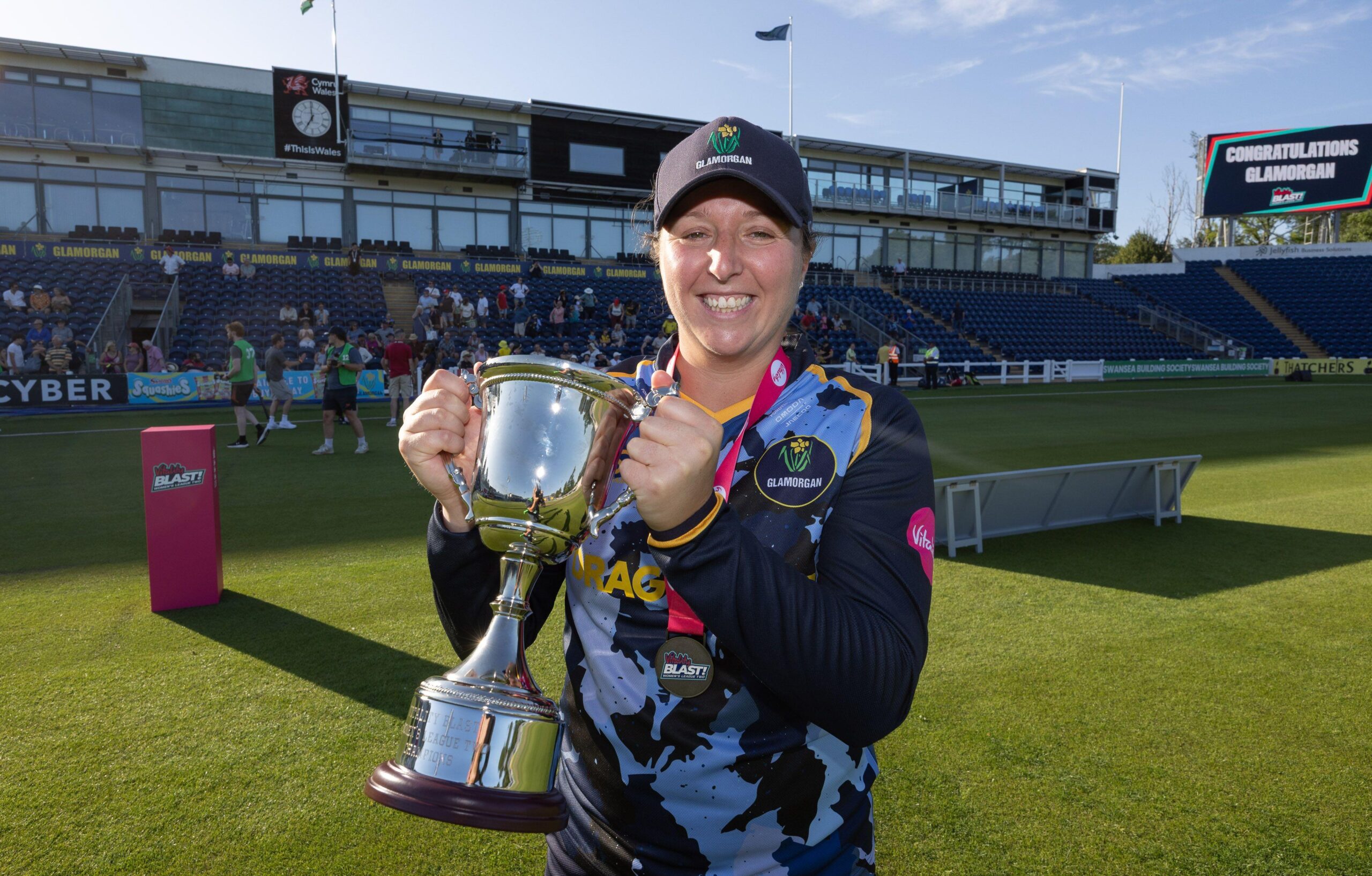
POLICY WIRE — Cardiff, Wales — Another day, another trophy claimed, and the world of women’s cricket shifts on its axis, however slightly. It’s not often a domestic league triumph in South Wales catches the global eye. But here we’re. Glamorgan, not long ago a spirited amateur outfit, now finds itself clutching silverware—its very first, a rather shiny Vitality Blast Women’s League 2 title. They bagged it right there in the Cardiff sunshine, defeating Gloucestershire by 32 runs at Sophia Gardens. It’s an outcome that, for all its local focus, whispers volumes about the changing tide for female athletes on fields far beyond British shores.
It wasn’t exactly a leisurely stroll to victory, mind you. Lauren Parfitt, the team captain, copped it early, her dismissal a quick bookend to that of fellow opener Daisy Jeanes. Pressure mounted. You could feel it through the digital ticker, even. But, — and here’s the rub, sports, much like politics, ain’t often decided by the opening salvo. Bethan Gammon and Megan Sturge—that’s where the comeback narrative usually starts, isn’t it? They formed a partnership that built a total. What a partnership it was to get us to a total that we were happy with,
Parfitt later noted, almost understating the gritty resolve it took. Bowlers then did their thing; they backed it up,
held their nerve through a tricky period,
and fielding was incredibly well
executed. Catches were taken. And just like that, history, in its own small way, was made. [QUOTE_PLACEHOLDER]
The win wasn’t just about the trophy itself. Not really. It’s about the launchpad it provides. Glamorgan is now barreling towards its maiden season as a full-fledged professional entity. Parfitt, a standout player herself, — and the squad she leads, they’re heading into Tier One. It’s the deep end, absolutely, against a higher calibre of opposition
that they’ve scarcely glimpsed before. This isn’t just an upgrade; it’s a recalibration of their entire sporting existence. They’ll be squaring up against the top-tier outfits, those behemoths whose very existence signifies institutional investment and a commitment to competitive excellence. Their recent success in the One Day Cup (which they believe will aid in preparation for 2027’s bigger leap) is less a leisurely warm-up, more a rapid trial by fire. It’s preparing them for a league where the stakes are higher, the margins thinner, and the off-field infrastructure just as demanding as what happens between the wickets.
Rachel Priest, the head coach, a former New Zealand international, has seen these battles before. She knows what Tier One means, what it demands. She also knows the emotional rollercoaster of a doubleheader day, admitting it was a real rollercoaster today and it was good for the fans but not good for my heart rate.
It wasn’t all serene. But then, greatness rarely arrives without a few skipped beats, does it? The victory wasn’t merely a win; it was an affirmation of a nascent structure, a testament to players like Gammon, whose exceptional
score in a final will be remembered for a long time.
These aren’t just sporting feats; they’re building blocks, proof-of-concept for the viability of women’s cricket as a serious, professional enterprise.
For the uninitiated, this seemingly minor win from a Welsh club doesn’t just resonate in the valleys. Consider the broader arc of women’s sports. Global participation in organized women’s cricket leagues has reportedly swelled by 27% over the past five years, according to a recent report by the International Cricket Council. That’s a statistic that can’t be ignored. From Karachi to Kuala Lumpur, girls are picking up bats — and balls. The rise of leagues, even those below the international headlines, has a palpable ripple effect, especially in regions like South Asia. In countries such as Pakistan, where societal narratives are sometimes slower to embrace women in public professional roles, sports triumphs—even those half a world away—offer symbolic leverage. They prove what’s possible. They chip away at old orthodoxies, demonstrating the economic — and cultural viability of female athletes. The establishment of professional leagues like Glamorgan’s impending Tier One entry serves as a tangible blueprint for other nations considering significant investment in their own women’s sports infrastructure.
Priest isn’t under any illusions, though. She acknowledged the scale of the challenge ahead. We’re under no illusions, it’s going to be very tough for a few years, going up to Tier One is a huge step up and we’ve seen that when we’ve played those teams.
It’s an honest assessment. They’ll have to adapt quickly. Their current success is making her job really hard to give those contracts out at the end of the season
, a testament to the competition within the squad. But that’s a good problem to have, frankly. It indicates depth. And you can’t build a sustained program without depth, especially one that aims to scale the formidable heights of professional sport.
What This Means
Glamorgan’s ascent into the upper echelons of women’s cricket isn’t just a feel-good story; it’s a bellwether for the global sports economy. This isn’t just about athletic competition. It’s about significant capital investment flowing into women’s leagues, recognizing their untapped market potential and expanding fan base. Economically, professionalization translates into increased media rights, sponsorship deals, and merchandise sales, contributing to local economies and creating specialized job markets from coaching to sports science. This model of progression, from regional triumphs to national professionalism, offers a template for nations keen on leveraging sports for soft power and economic diversification. It also acts as a subtle but persistent social force. The image of triumphant female athletes, celebrated and remunerated, quietly but powerfully challenges archaic gender roles, particularly in culturally conservative societies. Countries like Pakistan, for instance, are seeing increasing support for women’s cricket teams, driven in part by international success stories and a growing realization that investing in women’s sports isn’t just good policy; it’s also good business. But you don’t need a PhD in economics to grasp the fundamentals here: if you build it, and then invest in it, they will come. And they’ll probably bring their own capital, too.
And so, as Glamorgan savors this victory and steel themselves for next season, the reverberations of their success, however localized in scale, echo internationally. It proves that success, perseverance, and, yes, a bit of that gritty spirit can turn a modest local triumph into something far more globally resonant, something inspiring. It signals a sustained push toward equity — and opportunity in professional sports, one win at a time. The playing field, as they say, it’s leveling. Slowly, surely, irrevocably. For other hopeful clubs—or even entire national movements—looking to carve out their own professional path, Glamorgan provides a pragmatic blueprint for the challenging, yet deeply rewarding, journey ahead.