


Beyond the Champagne Toasts: Western ‘Solidarity’ Meets Reality in Paris
POLICY WIRE — Paris, France — The gilded halls of Paris often witness the theatre of global diplomacy. This week, they again played host to a familiar cast—a self-dubbed Coalition of the...

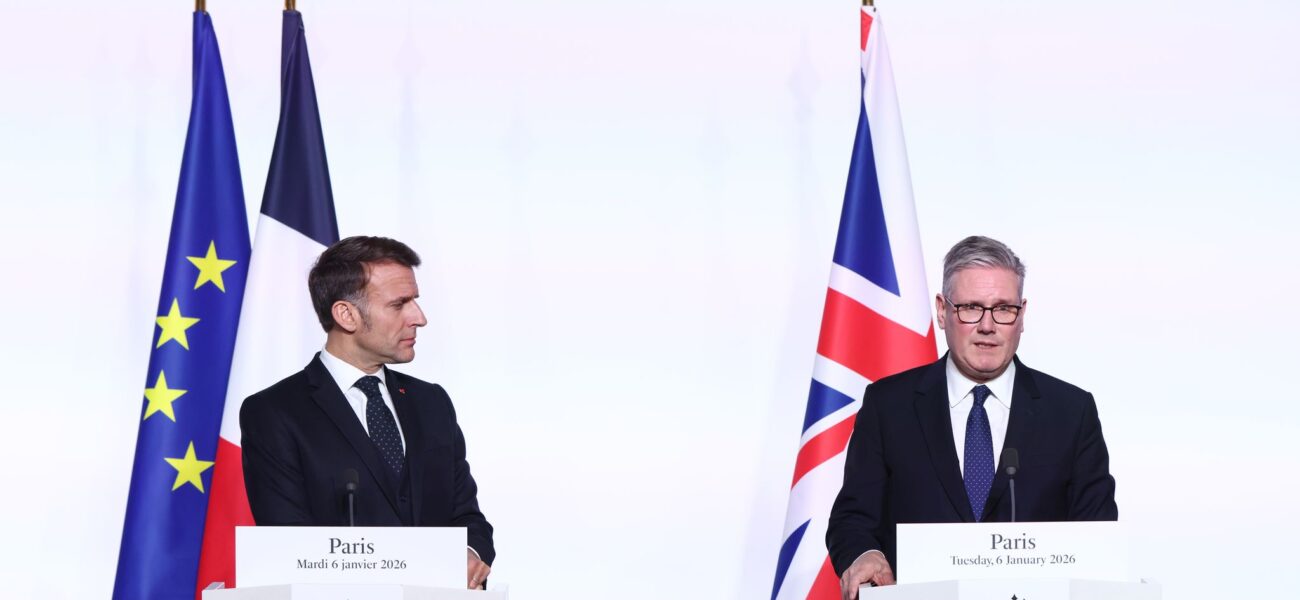
POLICY WIRE — Paris, France — The gilded halls of Paris often witness the theatre of global diplomacy. This week, they again played host to a familiar cast—a self-dubbed Coalition of the Willing—convened, as ever, for a seemingly clear objective: bolster Ukraine’s resolve. Yet, beyond the measured press statements and air kisses, there’s a distinct feeling, a low hum of fatigue, emanating from the very capitals that profess endless commitment.
It’s not just about what was said; it’s what remained unsaid, what lurked in the spaces between diplomatic pronouncements. Yes, they met in Paris to discuss aid for Ukraine. Everybody knows that. But the unspoken question hangs heavy: for how long can this continue? How deep are the pockets? And, critically, what’s being ignored elsewhere while all eyes remain fixed on Kyiv?
Delegations from a roster of nations descended, intent on demonstrating a united front. But unity, it turns out, isn’t always cheap—nor is it always as deep as initial pledges might suggest. They were there to re-evaluate financial instruments, streamline logistical supply chains, and, probably, pat each other on the back for sustained efforts. We’re talking military hardware, sure, but also the gritty, unglamorous stuff: humanitarian provisions, infrastructure repair, the slow grind of keeping a country from total collapse. Because, let’s be honest, wars—even righteous ones—are expensive propositions, chewing through national treasuries at a pace that’d make a finance minister weep.
And let’s be real, a good portion of this isn’t exactly fresh money. It’s a complex shuffle of repurposed funds, loan guarantees, — and commitments stretching far into uncertain futures. This isn’t a surprise. Nations, you see, have budgets; they’re not bottomless wells, however much their public statements might suggest otherwise. The true fiscal strain is palpable, a quiet ache felt in every capital from Berlin to Washington. Data from the Kiel Institute for the World Economy, for instance, indicates that the sum of pledged military, financial, and humanitarian aid to Ukraine from August 2022 to October 2023 totaled over 195 billion euros, a staggering figure that underscores the commitment but also hints at the enormous allocation of global resources.
But while Europe frets over its borders and energy security—an obvious concern for them, it’s true—other regions gaze westward, a mix of bewilderment and exasperation coloring their perceptions. Consider Pakistan. A nation that battles perpetual economic turbulence, faces down internal security threats, and manages a complex relationship with neighboring Afghanistan. For Islamabad, seeing billions upon billions poured into a European conflict, however grave, creates a specific kind of cognitive dissonance. They, along with much of the Global South, wonder if similar resolve, similar speed, or similar sheer volumes of aid would ever materialize for their own pressing issues, from climate change devastation to protracted conflicts rarely covered by Western media. They’ve got their own crises, their own citizens facing hardship. And sometimes, it feels like the global spotlight is exceptionally selective.
It’s not that Pakistan wants Ukraine to fall; it’s more about the uneven distribution of attention — and resources. The broader Muslim world, too, frequently points to perceived double standards—a ready wellspring of funds for certain conflicts, while humanitarian disasters elsewhere struggle for headlines, let alone sustained assistance. That’s a sharp observation. But it’s one you don’t hear much about in the gilded Parisian rooms. This imbalance—perceived or real—strains diplomatic ties, it muddies alliances, and it creates a fertile ground for alternative geopolitical alignments. They’re watching; they’re always watching.
📄 POLICY WIRE WHITEPAPER PUBLISHED: PAKISTAN'S NATIONAL SECURITY POLICY PRIORITIES
👉 READ BY CLICKING HEREOne attendee, speaking off the record (naturally), summed up the sentiment with a weary shrug: [QUOTE_PLACEHOLDER]. That sort of candor is rarer than gold, but it encapsulates the deeper truth. This isn’t just about saving Ukraine. It’s also about shoring up a specific global order, one where Western leadership remains unshakeable. Whether that perception can hold, particularly when resources thin, is the true question.
And then there’s the longer game. What about Russia’s economic endurance? The sanctions regime is complex; it’s an evolving beast. Moscow’s surprising resilience, its ability to find new markets and partners, certainly wasn’t a minor discussion point behind closed doors. Because, it’s like a high-stakes poker game, where everyone’s trying to guess the other player’s tells, how deep their stack actually runs. It’s a standoff, a brutal one, — and neither side seems inclined to fold just yet. What this means for global markets, energy prices, and even the future of international trade architectures, well—that’s a much heavier burden than simply tallying up arms shipments.
What This Means
The Paris meeting, in its essence, reaffirms a strategic recalibration in Western foreign policy: direct, sustained military and economic backing for Kyiv. But this isn’t a blank cheque, — and the implications ripple far beyond Ukraine’s borders. Economically, the continuous drain on national budgets for an extended conflict implies a future where domestic spending priorities might be constrained, potentially slowing recovery in post-pandemic economies. Politically, the persistent Western focus on this European conflict creates a widening perception gap with the Global South. Nations like Pakistan, grappling with their own internal socio-economic complexities and geopolitical challenges, view the allocation of resources and attention with growing skepticism. This isn’t a small issue; it affects alliances, trade routes, — and the very future of a multipolar world order. It’s an unspoken competition for global relevance, with the West putting all its chips on a specific outcome, while others quietly assess the game’s broader dynamics.