

Beyond the Dinosaurs: Sam Neill’s Quiet Exit Echoes Across Global Screens
POLICY WIRE — Wellington, New Zealand — Hollywood’s colossal, green-screen dinosaurs might’ve always grabbed the headlines, but it was often the man staring them down, squinting with an...

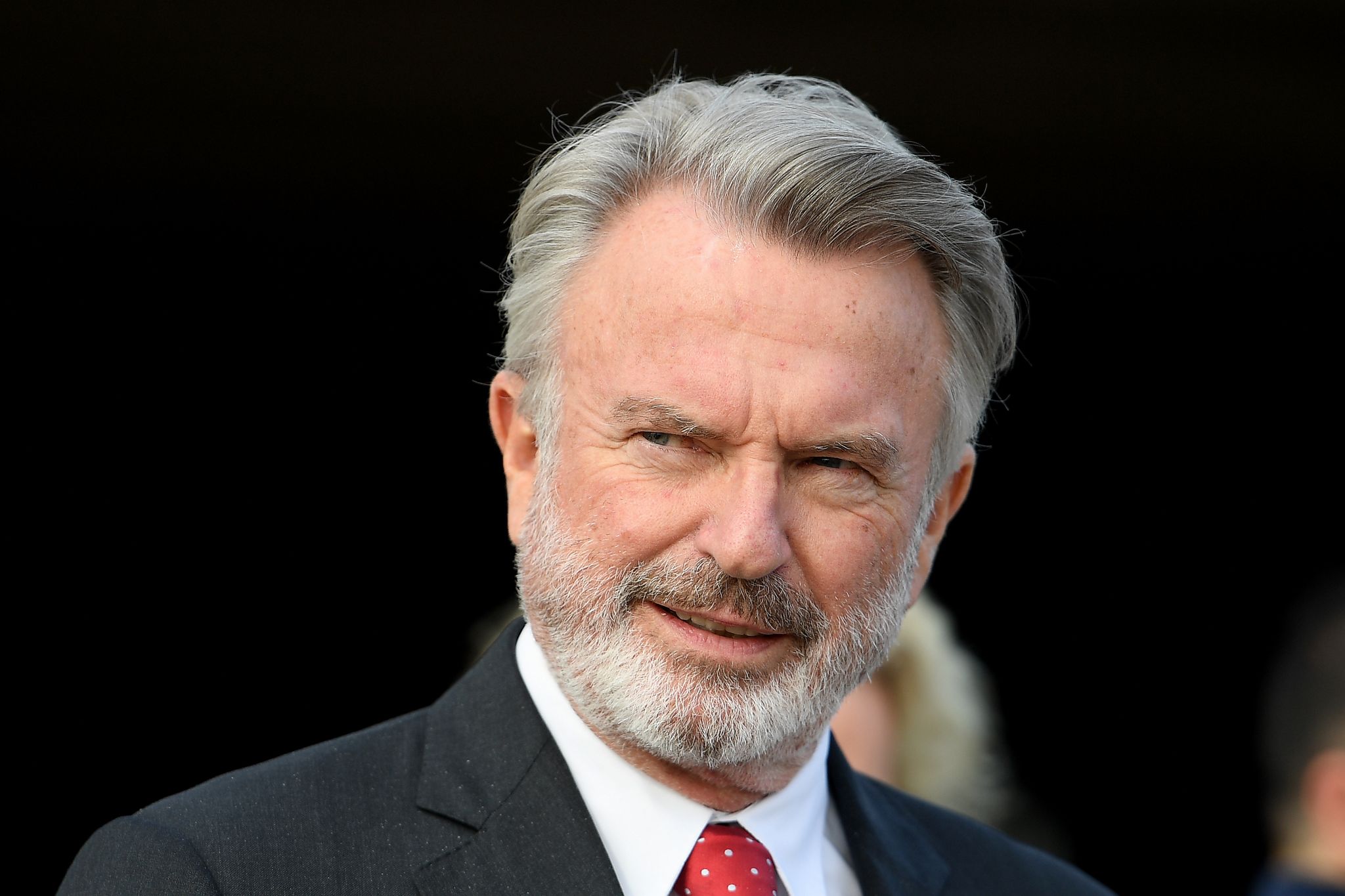
POLICY WIRE — Wellington, New Zealand — Hollywood’s colossal, green-screen dinosaurs might’ve always grabbed the headlines, but it was often the man staring them down, squinting with an uneasy mix of wonder and weariness, who held it all together. Sam Neill, the New Zealand-rooted actor whose understated gravitas lent a certain believable anxiety to even the most fantastical narratives, has exited the world stage at 78. But it isn’t just Tinseltown mourning; this quiet passing, announced through his representatives, sparks a far broader contemplation of global celebrity, cinematic reach, and the subtle, sometimes unconscious, ways a performer shapes a generation’s view of science, adventure, and even political turmoil.
It’s easy enough to stamp his obituary with ‘Dr. Alan Grant,’ the paleontologist forever linked to ‘Jurassic Park.’ But that’s doing him a disservice, frankly. Neill’s career was a sprawl, a fascinating jumble of high-brow period dramas like ‘The Piano’—which garnered him considerable international acclaim—gritty thrillers, and a few delightfully odd independent pictures. His face, weathered — and thoughtful, became shorthand for characters who understood the weight of consequence. He always seemed to be the guy who’d seen things, knew things, but wasn’t about to shout about it. And that, in an industry built on bluster, was a quiet power.
Minister for Arts, Culture — and Heritage for New Zealand, Hon. Willow-Jean Prime, didn’t mince words. “Sam wasn’t just one of our own; he was our finest export in celluloid. His work, consistently, gave us a window to the world and, more importantly, showed the world what our creative spirit truly meant.” She noted his deep commitment to local arts initiatives, often working on smaller, domestic productions when the bright lights of international fame could have — probably should have — pulled him exclusively to larger budgets. But he chose a different path, didn’t he? A more grounded one.
His impact wasn’t contained to English-speaking markets, either. Go east, much farther east than any dinosaur could’ve possibly roamed. Pakistan, for example. Despite often having limited access to Western cinematic releases and battling issues like piracy for decades, ‘Jurassic Park’ became an indelible cultural marker. The film’s 1993 release saw unprecedented queues even in cities like Karachi, with local analysts estimating upwards of 80% of urban youth having seen the blockbuster, through legal means or otherwise, within its initial years. Because some narratives, like man’s hubris confronting prehistoric nature, just translate.
Dr. Azhar Khan, Director of the International Film Festival of Pakistan, spoke of this resonance. “Neill’s portrayals possessed an accessibility, a universal human quality, that broke through language barriers. His work connected with audiences from Lahore to London, demonstrating that good storytelling, and solid acting, don’t need a translator to be understood. He embodied characters you could relate to, whether they were running from raptors or navigating moral dilemmas.” It wasn’t always just the spectacle; it was the humanity at its core.
His departure forces us, those of us watching from the policy end, to look at the global entertainment machine not just as commerce, but as cultural exchange. An actor’s visage, whether it’s in a dystopian thriller or a feel-good comedy, beams into millions of homes, shaping perceptions, inspiring conversations, sometimes even sparking cross-cultural understanding. For decades now, global box office receipts have underscored cinema’s shifting global calculus, with markets outside North America routinely accounting for over two-thirds of worldwide totals.
What This Means
Sam Neill’s passing, while a personal loss to his loved ones and a professional void for the acting community, also highlights a broader shift in how we perceive cinematic influence. His kind of understated, globally impactful stardom, forged in an era less fractured by digital niches, might soon be a thing of the past. As streaming fragments audiences and tailored content caters to ever-narrower demographics, the ‘everyman’ global superstar becomes a rarer commodity. Policy discussions around media now often focus on localized content, on quotas — and national narratives. But for figures like Neill, his reach was organic, his characters universal touchstones.
It’s an economic lesson too. New Zealand, a small island nation, punched above its weight cinematically for decades, partly due to actors like Neill who anchored big international productions while still nurturing the local scene. When you lose an institution like that—an actor whose presence alone could signal quality and garner funding for local projects—it isn’t just about an individual talent. It’s about a lynchpin. Europe’s economic strain or Hollywood’s shifting tectonic plates affect global arts infrastructure, too, don’t forget it. His quiet consistency allowed smaller markets to maintain a dialogue with the global creative industry. With his generation fading, we’re left to wonder if the next cohort can build the same bridges, or if we’ll simply become an echo chamber of highly segmented, culturally isolated narratives. Time, as Neill’s best characters would remind us, has a funny way of delivering its own, often stark, verdicts.