


Turkey’s Tightrope: Russian Missile Talks Ignite NATO’s Existential Jitters
POLICY WIRE — Istanbul, Turkey — You could almost hear the collective sigh of exasperation across NATO capitals. Not another one, they’d be muttering. Not now. While Western alliances struggle to...

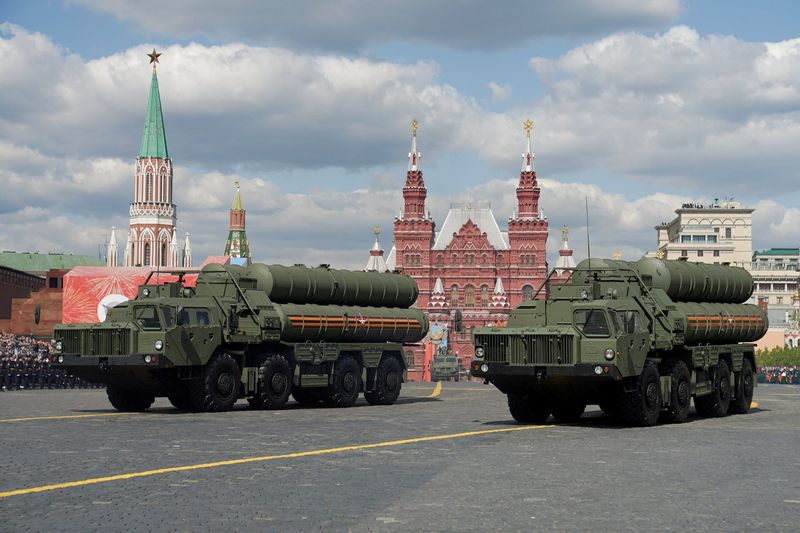
POLICY WIRE — Istanbul, Turkey — You could almost hear the collective sigh of exasperation across NATO capitals. Not another one, they’d be muttering. Not now. While Western alliances struggle to present a united front against increasingly brazen global challenges, Moscow just tossed another grenade into the mix, confirming ongoing, and apparently quite amiable, talks with Ankara regarding its controversial S-400 missile systems.
It’s a diplomatic tango, a high-stakes performance that never quite concludes. But what’s at stake isn’t just a weapons deal; it’s the very definition of loyalty in a fracturing world. Remember when everyone thought Turkey would ditch those Russian missile batteries after, well, everything? Nope. That simply didn’t happen. And here we’re, back at square one, or maybe even deeper in the geopolitical thicket.
Dmitry Peskov, the Kremlin’s unflappable spokesperson, offered up the tidbit, stating with practiced nonchalance that “contacts with Turkey concerning the S-400 are constant.” He called it a “normal, lively dialogue.” Normal? For some, this isn’t normal. It’s a running headache. The initial purchase back in 2017 caused a colossal dust-up, leading Washington to boot Turkey from the F-35 stealth fighter program. And impose sanctions, mind you. Those sanctions were supposed to be a deterrent. Instead, they just seem to have hardened Ankara’s resolve to chart its own course.
Turkey, remember, is technically a NATO ally. An important one, actually, given its geographical muscle at the crossroads of Europe — and Asia. But its defense priorities — and allegiances have felt, shall we say, a bit… flexible lately. Because let’s be real, acquiring Russian hardware that’s designed to target NATO aircraft just feels like poking the bear with a very pointy stick. “We’ve always maintained a robust dialogue with our Turkish partners on a range of issues, including defense,” Peskov said recently, reflecting Moscow’s continued commitment to this tricky relationship. “These aren’t just transactions; they’re relationships built on mutual respect and security needs. The West, you know, they’d prefer to dictate terms. But Ankara isn’t one to simply take orders.”
Ankara’s line has always been pretty straightforward: national security trumps alliance discomfort. They claimed—and still do—that the S-400s were the best system available to protect their airspace, a necessity that the West apparently wouldn’t or couldn’t fulfill to their satisfaction. A senior Turkish defense official, speaking off the record given the diplomatic sensitivities, reiterated this familiar stance. “Turkey decides its own defense policy. No nation dictates our sovereignty. The S-400s are a necessary system for our national security, — and we will operate them as we see fit. Our engagement with Russia, like with any partner, is pragmatic and serves Turkish interests.” It’s a bold declaration, particularly from a country that plays a direct role in regional stability—or, often enough, instability. This posture has reverberated beyond its immediate borders.
This whole situation — Turkey, Russia, the S-400s — it’s an uncomfortable case study for other nations in the Muslim world, especially those in South Asia, weighing their strategic options. Take Pakistan, for instance, which often balances alliances between Western powers and China, and has historically looked towards Russia for certain defense technologies. These countries watch Turkey’s ability to defy Washington and still maintain some semblance of a relationship, even if strained. It legitimizes a non-aligned, or at least multi-aligned, defense procurement strategy. It proves you can push back.
📄 POLICY WIRE WHITEPAPER PUBLISHED: PAKISTAN'S NATIONAL SECURITY POLICY PRIORITIES
👉 READ BY CLICKING HEREThe original S-400 deal was estimated at a cool $2.5 billion for two batteries, according to reports by the Stockholm International Peace Research Institute (SIPRI). That’s not chump change. But the true cost, arguably, has been the dent it put in Turkey’s relationship with its long-standing Western allies, creating fissures that haven’t quite healed. Washington hasn’t forgotten; neither have those in Brussels who prefer a cohesive front over a series of unpredictable solo acts. This is Ankara saying: we’ve got options. And yes, sometimes those options annoy you.
What This Means
These renewed talks, whatever their specific outcome—be it maintenance, further integration, or even additional units—serve a few clear purposes. For Russia, it’s a brilliant display of its capacity to drive wedges within NATO, bolstering its geopolitical clout without firing a single shot. It keeps Turkey engaged, prevents full reconciliation with the West, — and subtly undermines Western solidarity. But it also presents a viable, potent counter-narrative for other nations looking to diversify their arms suppliers.
For Turkey, it’s about maintaining strategic autonomy. Ankara isn’t keen on being dictated to. Never has been. This play ensures Turkey remains a difficult, but necessary, partner for both sides, leveraging its unique position for maximum gain. The economic implications are multifaceted: maintaining the S-400s prevents further U.S. sanctions (at least on that specific count), but it likely means keeping Turkey out of advanced Western defense programs. And it just ensures a long-term headache for NATO planners who can’t truly trust Ankara’s systems to be interoperable or free of Russian intelligence snooping. That’s a hefty price tag, not just in dollars, but in trust. The ripple effects stretch far, reshaping alliances and global perceptions of power dynamics in a fast-changing world.