


Albuquerque’s Vicious Cycle: A Bullet-Riddled Downtown Turns Fatal Days Later
POLICY WIRE — Albuquerque, N.M. — The final curtain for Juan Ortega didn’t drop with a gunshot on a chaotic downtown street. Oh no, his exit was quieter, more insidious—a postscript to the...

POLICY WIRE — Albuquerque, N.M. — The final curtain for Juan Ortega didn’t drop with a gunshot on a chaotic downtown street. Oh no, his exit was quieter, more insidious—a postscript to the mayhem, playing out days later, in a quiet southwest Albuquerque home. He’d walked away, literally, from a hail of bullets near Central Avenue and 3rd Street just days before, nursed a wound, and then, investigators say, succumbed to an apparent overdose. It’s a tragic, brutal twist, even for a city no stranger to headlines about violence and the crushing weight of addiction.
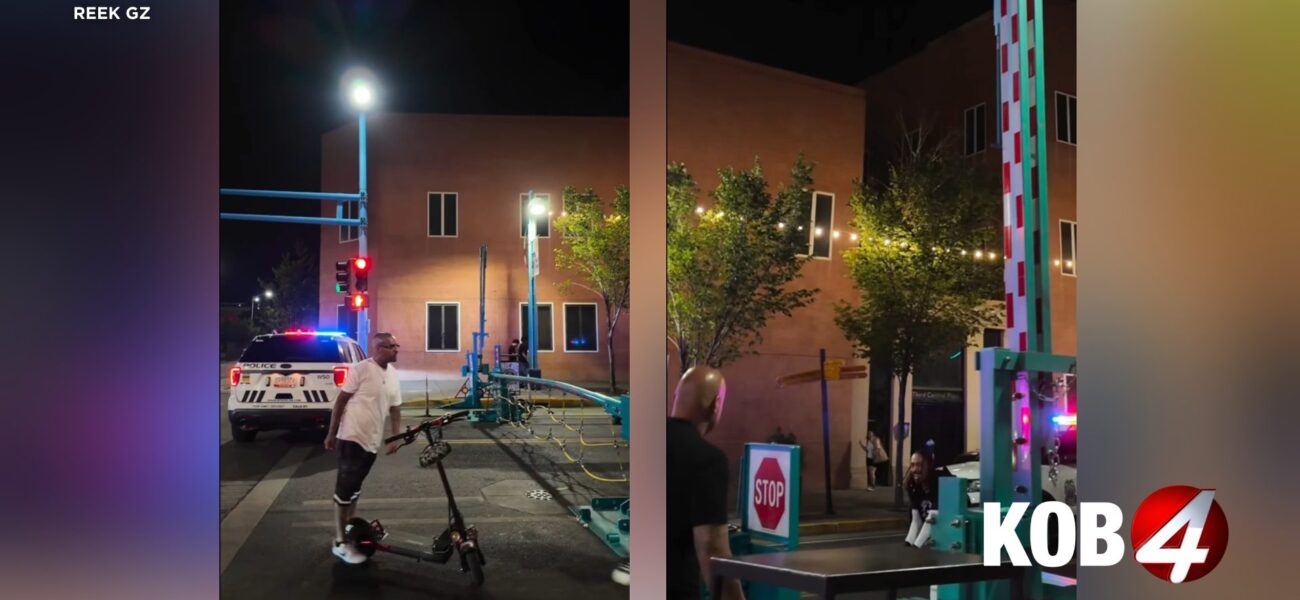
It’s not just a story of one man, or two, or three. This is Albuquerque’s ledger, brutally tallied. We’re talking about a shooting downtown, captured on frantic social media clips—the kind that sear themselves into your brain. The kind that show Stephen Griego, after Ortega allegedly shoved him, pulling a weapon and firing, hitting Ortega and another man. Police then, you know, shot — and killed Griego. But here’s the kicker, the nasty detail: A fourth man, a bystander merely a block away, got hit too. Doctors patched him up, sent him home, but the bullet that found him? Police admitted it probably came from an officer’s gun. Talk about adding insult to injury, or in this case, potential friendly fire to a already gruesome scene. A real mess, from top to bottom.
Days stretched, becoming the crucial interval between one calamity — and the next. Ortega had been released from the hospital, on the mend from his gunshot wound, presumably trying to pick up the pieces. But life, or perhaps a potent cocktail of substances, had other plans. Police found narcotics near his body. So he dodged a bullet, literally, only to lose the war against something else entirely. It makes you wonder, doesn’t it, what really constitutes ‘survival’ in a landscape like this?
“It’s a chaotic situation, always. When bullets fly downtown, lives shatter. Our officers are trained to make split-second decisions, but when the dust settles, we’ve got to scrutinize every one of those seconds,” Albuquerque Police Chief Harold Medina told Policy Wire, his voice tight with what sounded like familiar strain. “We owe that to the community, and to our own.” You can tell he’s heard it all before, the cycles of questions, the demands for answers that often don’t quite fit the chaos on the ground.
But the deeper truth? This grim narrative isn’t unique to Albuquerque. In New Mexico, the stakes are painfully clear: the state consistently battles one of the highest drug overdose death rates in the nation. In 2022, for instance, the CDC reported New Mexico’s overdose death rate was 43.6 per 100,000 residents, significantly higher than the national average. It’s a stark statistic, a testament to a quiet, insidious crisis that often gets overshadowed by the more explosive violence it frequently fuels.
Councillor Isaac Benton, whose district includes parts of the beleaguered downtown, didn’t pull any punches either. “Another headline, another family shattered by a nexus of violence, drugs, and often, desperation,” he stated, visibly exasperated. “We pour resources into crime, but until we tackle the deeper currents—the addiction crisis, the mental health vacuum—we’ll keep seeing these tragedies replay on a loop. It’s just devastating, every single time.” He’s been around long enough to know, he’s seen it all cycle back again.
📄 POLICY WIRE WHITEPAPER PUBLISHED: PAKISTAN'S NATIONAL SECURITY POLICY PRIORITIES
👉 READ BY CLICKING HEREWhat This Means
This isn’t just about an individual falling prey to addiction after surviving a shooting; it’s a stark indictment of interconnected urban failures. Politically, the optics are brutal for City Hall — and law enforcement. They’re battling two intractable demons simultaneously: rampant gun violence — and an unyielding opioid crisis. When a bystander potentially catches a bullet from a police weapon, and the original victim dies of an overdose, it feeds a public narrative of systemic inadequacy and a painful erosion of trust.
Economically, the impact reverberates through downtown revitalization efforts. Investment shies away when perceptions of safety plummet, leaving businesses struggling — and tax revenues dipping. It’s a feedback loop—less investment means fewer opportunities, which can exacerbate the very social ills driving addiction and violence.
And yes, the echoes reach beyond the familiar American urban sprawl. Consider cities across Pakistan, for instance, where similar issues of endemic poverty, youth unemployment, and the often brutal trade-offs of the global narcotics routes (sometimes flowing through the region) fuel their own versions of street crime and widespread addiction. Just like Albuquerque, communities there often grapple with limited public health infrastructure and policing tactics that, despite best intentions, can sometimes create more problems than they solve. The human cost of a fragmented public health — and safety net, it turns out, is a language understood universally. Albuquerque’s Bleak Ledger isn’t just local; it’s a page out of a much larger, global playbook of despair and unaddressed trauma.
The incident forces us to confront an ugly truth: that simply surviving one life-threatening event often throws you straight into the maw of another. Ortega’s initial wound closed, sure, but the underlying rot of addiction and the complex societal factors that enable it? Those wounds stayed wide open. For policymakers, it’s a chilling reminder that surface-level fixes are, well, just that: surface-level. The currents below the city’s veneer are far more treacherous, demanding holistic solutions most haven’t even dared to imagine.