

Silent Spoilers: As Parasite Blazes Trail Across U.S., Global Food Chains Under Scrutiny
POLICY WIRE — Washington, D.C. — They say you are what you eat. Lately, for nearly 3,000 Americans, that might be a tiny, unwelcome hitchhiker called Cyclospora. It’s not exactly the dinner...

POLICY WIRE — Washington, D.C. — They say you are what you eat. Lately, for nearly 3,000 Americans, that might be a tiny, unwelcome hitchhiker called Cyclospora. It’s not exactly the dinner conversation starter anyone hoped for, yet this unassuming parasite has managed to put an uncomfortable spotlight on the often-fragile foundations of our modern food supply—even reaching quiet corners like New Mexico, which currently battles its own unique policy skirmishes.
It’s an odd twist, really. In an era obsessed with wellness, where farmers’ markets are booming and kale is king, the very things we laud for their health benefits—fresh fruits, crisp vegetables, aromatic herbs—have become unwitting conduits for misery. The Centers for Disease Control and Prevention confirmed this quiet crisis: The agency stated that the number of cases right now is a lot higher than last year. Nobody’s shouting from the rooftops about it, but the numbers tell a story of systemic vulnerability, a quiet public health emergency bubbling beneath the surface of everyday grocery runs. [QUOTE_PLACEHOLDER]
Nationally, nearly 3,000 people have gotten sick with cyclosporiasis nationwide. This isn’t a sniffle-and-a-sneeze sort of ailment. It’s a parasitic infection, a gastrointestinal assault that can leave sufferers drained for weeks, even months, with a nasty array of symptoms. More than 80 people have gone to the hospital, their bodies simply unable to cope with the relentless invasion. These aren’t just statistics; they’re real people sidelined from work, from family life, enduring an entirely preventable ordeal.
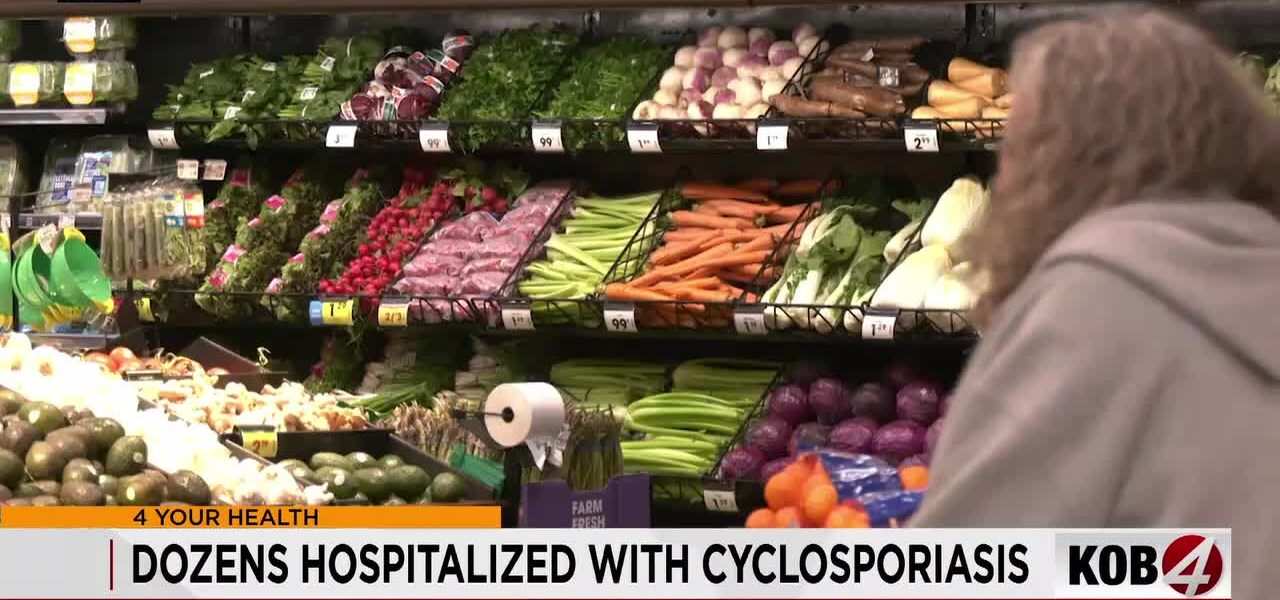
But the real kicker? People can get it from contaminated fruit, vegetables — and herbs. Meaning your seemingly wholesome salad, that refreshing smoothie, could carry a hidden biological threat. Colorado has 90 confirmed cases, while Texas has 48, illustrating its spread across diverse geographies. And New Mexico has nine confirmed cases. This isn’t just a regional hiccup; it’s a broad, persistent challenge.
Food safety experts are doing their best to sound the alarm without sparking a full-blown panic. They advise washing countertops and cutting boards with soap and water after preparing produce—common sense stuff, right? But the problem is, it’s not enough for the produce itself. Rinsing produce can reduce the risk for cyclosporiasis but doesn’t eliminate it. What really does the trick? Cooking food is the only sure way to kill the parasite. Think about that for a second. We’re being told to cook our salad greens, to steam our berries, which, let’s be honest, sort of defeats the whole purpose of fresh produce in the first place.
This situation immediately brings to mind the challenges faced by nations like Pakistan and other South Asian countries, where similar—or even greater—food safety dilemmas are a persistent specter. The fresh produce supply chains in those regions often rely on smallholder farms, open-air markets, and transportation networks less rigorously regulated than their Western counterparts. While local, fresh produce is a way of life, it also means a greater inherent risk of contamination from water, soil, or even handling, often exacerbated by climate patterns, like the monsoons that can inundate fields and spread pathogens, echoing global challenges from the Philippines to beyond. A Cyclospora outbreak of this scale in a place like Karachi or Lahore? It’s not an unthinkable scenario—and it would wreak absolute havoc on public trust, trade relations for fresh produce, and local economies already walking a tightrope.
📄 POLICY WIRE WHITEPAPER PUBLISHED: PAKISTAN'S NATIONAL SECURITY POLICY PRIORITIES
👉 READ BY CLICKING HEREAnd that’s why this U.S. outbreak, seemingly small in the grand scheme of things, is a canary in the coal mine for global food policy. It’s a reminder that a flaw in one link of a highly interconnected, increasingly international supply chain can have cascading consequences, affecting consumer confidence and the agricultural trade that millions depend on.
What This Means
This Cyclospora surge, while not reaching pandemic levels, points directly to significant fault lines in our contemporary food systems and regulatory oversight. Economically, consumer apprehension over fresh produce can sting producers, potentially forcing stricter (and more expensive) hygiene standards. Agricultural sectors, especially those relying on high-value, ready-to-eat produce, will feel this pressure most keenly. There’s a quiet but intense push for policymakers to scrutinize import pathways—given that Cyclospora is frequently linked to produce from regions with different water and sanitation standards. Politically, no legislator wants to be seen as lax on public health, particularly when the vector is as mundane and innocent-seeming as a strawberry or a sprig of mint. We’ll likely see increased rhetoric around food security — and agricultural inspections. It’s also an uncomfortable mirror held up to America’s own practices. While we might look to developing nations for lessons in agricultural vulnerability, this outbreak shows even the most advanced supply chains aren’t impervious to primitive pathogens. Ultimately, this isn’t just about a parasite; it’s about trust—the trust consumers place in the food they eat, the farmers who grow it, and the systems designed to keep it safe. And when that trust erodes, everything gets harder, faster. We’ve certainly got our work cut out for us in restoring it.