


Firestone Fades: Golf’s ‘Major of Memories’ Moves West, Leaving Akron to Grapple with Loss of Legacy
POLICY WIRE — Akron, Ohio — They used to call it the ‘Major of Memories,’ a veritable cornerstone of professional golf’s summer schedule, tucked right here in the industrial heartland....

POLICY WIRE — Akron, Ohio — They used to call it the ‘Major of Memories,’ a veritable cornerstone of professional golf’s summer schedule, tucked right here in the industrial heartland. Now, Firestone Country Club is just… fading. The Kaulig Companies Championship, the PGA Tour Champions event that has anchored this hallowed ground for what feels like forever, is packing up its tents, its millionaire golfers, and its economic impact for the sunnier, and perhaps richer, climes of Newport Beach, California. The golf world’s shifting tectonics, it seems, spare no one—not even an institution.
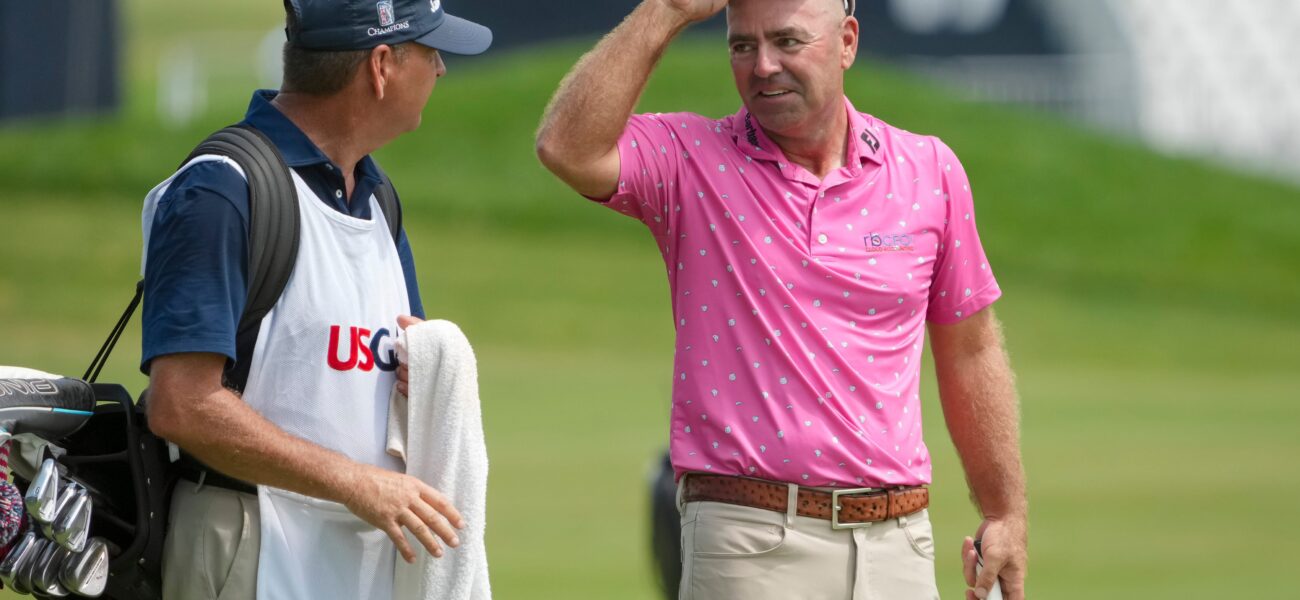
It’s the final season, a bitter pill for many who’ve watched legends chase birdies on the South Course. But don’t imagine it’s going out with a whisper. No, there’s a certain raw irony to native son Ryan Armour, 50, finally getting his chance to play professionally here, a ‘dream come true’ he calls it, just as the dream itself is being carted away. He’s here, tying for ninth after Round 1 with a 2-under-68, a local hero on a valedictory lap. His presence feels like both a celebration — and a mournful echo of what’s been lost.
But how do you even quantify that loss? The PGA Tour, a sprawling enterprise, generated roughly $1.9 billion in revenue in 2022, a hefty sum illustrating the financial heft at stake. And this isn’t just about greens fees, you know? It’s about the hotel bookings, the restaurant tabs, the temporary jobs—the entire ecosystem that hums into life when a big event descends on a community. When asked about the move, a PGA Tour representative, who preferred to be quoted generally on competitive matters, put it rather plainly: “Look, the landscape of professional sports is dynamic. Markets evolve. Our priority is always to ensure the long-term viability — and global appeal of the tour. California simply presented a strategic alignment with our growth objectives and sponsor acquisition.” A cold, hard business decision, neatly sanitized.
For Armour, a Silver Lake product, the personal stakes are entwined with civic pride. He’s spent his childhood practically living on these fairways. It’s his home turf, through — and through, even if he now winters in Florida. “My heart’s full, sure,” he said after Thursday’s play. “But it’s a bittersweet thing, isn’t it? To play here, now, finally, just as they’re tearing it all down.” He’s not one for mincing words either, delivering a stark warning to those who’ll listen: “Akron has to save it, the community itself. People need to show up, make a noise. This place is too much a part of our history to just let it go.”
And he’s got family roots burrowed deep here, parents in Silver Lake, brother in Stow, in-laws in Cuyahoga Falls. His 15-year-old son, a hockey talent, is even heading to Gilmour Academy in August. It’s an Akron homecoming on multiple fronts for Armour, a return just as Akron feels a significant cultural institution is slipping away.
The PGA announced the move on May 26th, signaling a new chapter for the Senior Players Championship beginning in 2027. Newport Beach Country Club, then. A shift westward that, for Akron, feels less like a geographical change — and more like an eviction. And while Firestone will still exist, obviously, the major prestige, the TV cameras, the global recognition—that’s gone. It’s a tale as old as time, really, about tradition grappling with market forces. Even Manchester United faces a similar calculus in managing its global brand against local sentiment, though with slightly more zeros involved.
📄 POLICY WIRE WHITEPAPER PUBLISHED: PAKISTAN'S NATIONAL SECURITY POLICY PRIORITIES
👉 READ BY CLICKING HERECouncillor Fatima Khan of the Akron City Council, often a vocal proponent of local business retention, expressed her dismay. “We’re deeply disappointed by this decision, make no mistake,” she stated, reflecting on the community impact. “This tournament wasn’t just golf; it was part of Akron’s identity, drawing visitors — and fostering civic pride. We need to work harder, smarter, to demonstrate that major events can, and should, thrive outside of established coastal hubs.” Khan suggested exploring alternative sports or cultural festivals to fill the void, her frustration thinly veiled.
It’s an outcome that echoes debates in developing economies, too. In places like Pakistan, for example, the struggle to attract and retain international sports events — football friendlies, cricket tournaments, or even major diplomatic conferences — is often a balancing act between demonstrating security, upgrading aging infrastructure, and competing against the allure of well-resourced regional rivals like Dubai or Doha. The policy implications are clear: without sustained investment and a compelling economic argument, even historical venues can become anachronisms in a hyper-competitive global arena. The parallels might seem stretched between a PGA Tour event and Pakistan’s national aspirations, but at their core, both scenarios speak to the challenge of securing global visibility and economic inflow against stiff, modern competition. And sometimes, those global connections prove more enduring than local traditions.
What This Means
Akron’s loss of the PGA Tour Champions event at Firestone is more than just a scheduling reshuffle; it’s a direct hit to the region’s pride and pocketbook. Economically, it strips away an annual influx of tourist dollars, an advertising opportunity, and a tangible piece of local identity that attracted global attention. Politically, it presents a challenge for city leaders, like Councillor Khan, to craft new strategies for urban revitalization and cultural branding. They’ll need to figure out how to compensate for this void, possibly by investing in other forms of event tourism or cultural initiatives. The shift underscores a broader trend where historical ties often take a backseat to newer markets and financial incentives in the world of professional sports. It’s a tough lesson for any community that, even with a storied past, continuous adaptation and proactive engagement are essential to stay relevant in a globalized, commercially-driven entertainment landscape. Because, really, who’s got time for nostalgia when there’s new money to be made somewhere else?