

Albuquerque’s Bleak Ledger: 38 Years for Meth-Fueled Tragedy, A Global Echo of Despair
POLICY WIRE — ALBUQUERQUE, N.M. — Some silences are louder than others. The one that settled over the Albuquerque courtroom last Friday, as Lawrence Gabaldon received a 38-year prison sentence,...

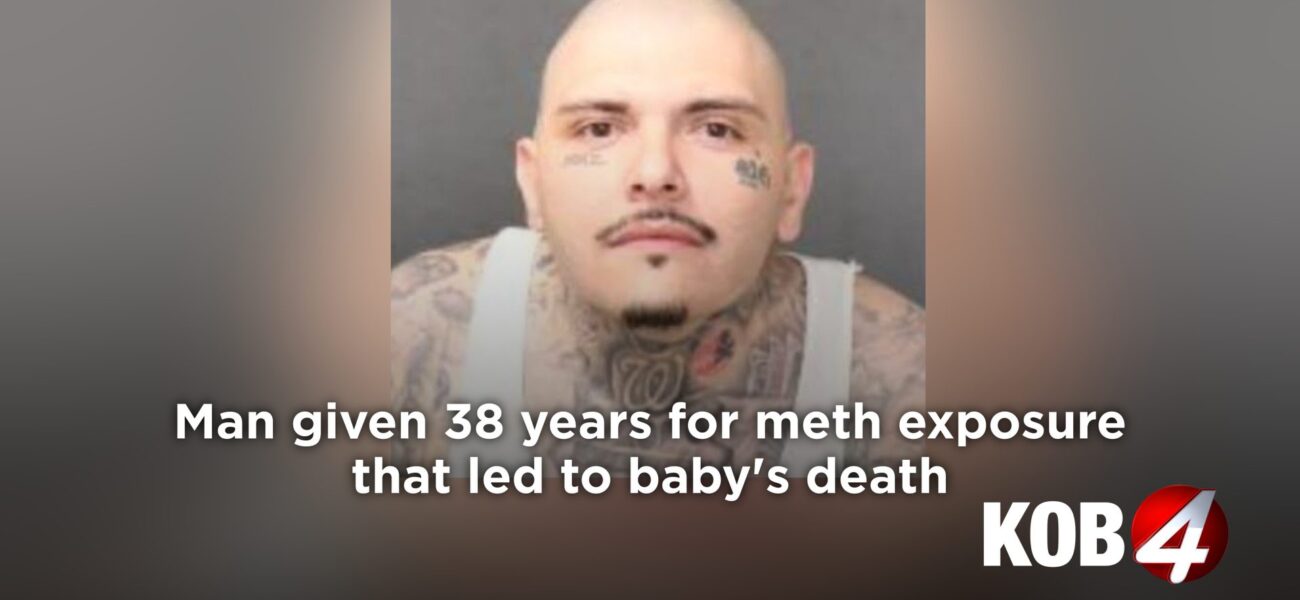
POLICY WIRE — ALBUQUERQUE, N.M. — Some silences are louder than others. The one that settled over the Albuquerque courtroom last Friday, as Lawrence Gabaldon received a 38-year prison sentence, wasn’t merely the absence of sound; it was the echo of an infant’s final, poisoned breath. This wasn’t a sudden, brazen act, but a slow, suffocating decay of parental responsibility, culminating in the death of Gabaldon’s 6-month-old daughter from toxic methamphetamine exposure. And in a town already wrestling with the ugly truths of addiction, this verdict lands with the grim predictability of a desert tumbleweed.
It’s not often a case so starkly — so undeniably — rips through the fabric of complacency. But then, the grim calculus of fentanyl and meth isn’t just a shadow in New Mexico; it’s a monstrous beast squatting openly in living rooms, schoolyards, and, as we’ve learned, motel rooms. Gabaldon, 36, wasn’t just handed time for neglect; he was found guilty by a jury in March of reckless abuse of a child resulting in death, abuse, possession of drug paraphernalia, possession of fentanyl, and trafficking controlled substances. Because when addiction takes hold, it rarely comes alone. It brings friends – an entire entourage of criminal activity.
Police officers, arriving at that Iliff Road motel in July 2023, found a scene etched from a nightmare: an unresponsive baby, her twin sister — also exposed to multiple drugs, though thankfully she survived — and illegal narcotics scattered with cavalier disregard. The New Mexico Office of the Medical Investigator didn’t mince words: cause of death, toxic effects of methamphetamine. A horrifyingly preventable end. Her mother, Gloria Tesillo, received her own 18-year sentence earlier in May, completing a bleak familial circle of justice served, albeit far too late for the tiny victim. It’s a sad, sad story.
“Justice isn’t always pretty; it’s often stark, mirroring the grim choices made by those who inflict irreversible harm on the most helpless among us,” stated Judge Samuel Montoya, presiding over Gabaldon’s sentencing. “Today’s outcome isn’t merely about punishment; it’s a profound warning, a declaration that society simply won’t stand idly by when children are traded for a fix.” His voice, usually impassive, carried an almost imperceptible tremor of frustration, a clear indication of the depths of this tragedy.
But this isn’t just an Albuquerque problem; it’s America’s quietly festering wound. According to recent federal health data, the U.S. Southwest alone has seen a startling 150% increase in documented child exposures to methamphetamine over the past five years. Parental substance abuse, particularly with highly addictive drugs like meth and fentanyl, isn’t a regional anomaly—it’s a national health crisis demanding urgent re-evaluation of current strategies. Dr. Lena Sharma, director of the New Mexico Department of Health, expressed similar sentiments, “We’re facing an epidemic that steals futures, not just lives. It’s a fight for the very soul of our communities, one baby at a time, requiring an approach that moves beyond mere incarceration towards comprehensive support, especially for families ensnared in addiction’s brutal grip.”
📄 POLICY WIRE WHITEPAPER PUBLISHED: PAKISTAN'S NATIONAL SECURITY POLICY PRIORITIES
👉 READ BY CLICKING HEREAnd the specter of meth doesn’t stop at the Rio Grande. While headlines often fixate on the opioid crisis, methamphetamine, a chemical cousin in devastation, quietly ravages communities from America’s Southwest to the bustling urban centers of South Asia. The global drug trade, often funneling illicit substances through transit hubs like Pakistan, creates a chain reaction of human misery that connects a grimy motel room in New Mexico to international organized crime. But then, misery often travels well, doesn’t it?
What This Means
This agonizing case peels back layers of socio-economic vulnerability that continue to define the illicit drug landscape in the U.S. It’s a harsh reminder that while billions are poured into border security and international interdiction efforts—Pakistan’s geopolitical role in countering regional drug trafficking from Afghanistan, for instance, has long been a complex challenge for Western policymakers—the internal downstream consequences often go unaddressed with proportionate urgency. The economic impact? Astronomical. Child protective services, healthcare systems, judicial resources, incarceration costs—they all bear the brunt of what starts as individual addiction but blossoms into systemic failure. Politically, such incidents often spark calls for ‘tough on crime’ measures, — and rightly so, when children are dying. But it also reignites debates around public health funding, mandated addiction treatment, and the effectiveness of current social welfare nets.
But the real policy implications aren’t just about punishment; they’re about prevention. We’re seeing an increasing pressure on local governments to fund robust, accessible addiction services for pregnant women and new parents, often against the backdrop of shrinking state budgets. The justice system, in meting out decades-long sentences, underscores the grave societal costs, but it cannot, by itself, fix the addiction economy. It can only process its most egregious casualties. For families on the brink, or for policymakers grappling with budgets stretched thin, the death of a child due to parental drug exposure isn’t just a headline—it’s a stark, visceral call to action, demanding strategies as varied and complex as the drug crisis itself.