


Dust and Echoes: Albuquerque’s Demolition Dilemma and the Fragile Grasp of Progress
POLICY WIRE — Albuquerque, New Mexico — The silence hit harder than any wrecking ball. Downtown Albuquerque, usually humming even on a Friday morning, held its breath for a beat too long. That gaping...

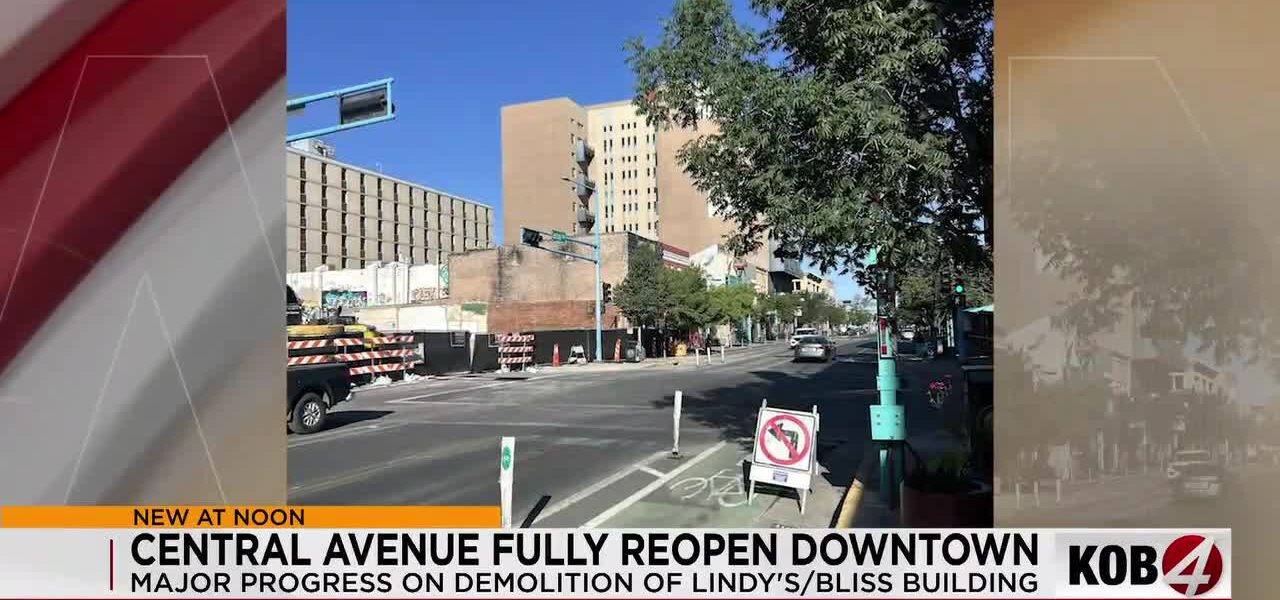
POLICY WIRE — Albuquerque, New Mexico — The silence hit harder than any wrecking ball. Downtown Albuquerque, usually humming even on a Friday morning, held its breath for a beat too long. That gaping maw where Lindy’s Diner once stood—a city institution, more myth than concrete, for eight decades—is now just… empty space. And on its periphery, life grudgingly returns to Central Avenue, now mercifully open to traffic, its asphalt having finally shed the immediate dust of a bygone era. But don’t misunderstand: the psychological rubble? That’s still very much there.
It wasn’t a sudden cataclysm, of course. We saw it coming. A partial wall collapse back in April, an abrupt, violent sigh from a structure that’d stood tall, or at least stoutly, through countless Southwestern summers. The city—quick, perhaps too quick, to seize the reins—decided the wrecking ball was the most expedient policy response. Their contractors, a dedicated lot, we’re told, worked straight through the Fourth of July weekend. Patriotic demolition, if you will. Because when urban decay calls, America’s got to answer, even if it means sacrificing a local legend.
“It’s tough seeing this corner now without the historic Bliss Building, but we, and I’m sure all of downtown, are relieved to see the project going so smoothly and quickly,” Mayor Tim Keller observed, his words carefully chosen, balanced like a tightrope walker. And they were, frankly, an affirmation of a policy track. Smooth. Quick. Expedient. These are the buzzwords of modern governance when faced with structural integrity issues that threaten not just public safety, but also that oh-so-precious downtown narrative of renewal. They’ve managed to get traffic flowing again, which, let’s be honest, is usually priority number one.
But pragmatism doesn’t often wear well with sentiment. “This isn’t just concrete — and dust,” lamented Ms. Aisha Karim, proprietor of the neighboring Monsoon Tea House—a business she’s managed in the district for seventeen years. “They’re tearing down our collective memory, bricks — and mortar. It’s easy for the city to talk ‘progress’ when they aren’t losing a piece of their own past, isn’t it?” Her voice carried the weary frustration of many a small business owner navigating the relentless tides of ‘progress’ that sometimes feel more like cultural erasure. It’s a complaint heard often, whether you’re in downtown Albuquerque or, say, amidst the ancient bazaars of Lahore, Pakistan, where heritage buildings frequently face the bulldozer’s indifferent steel in the name of expanded infrastructure or new high-rises.
Fifth Street, for its part, remains shuttered, a constant, nagging reminder that the work isn’t done. The demolition process—even the ‘quick and smooth’ kind—takes its time, its toll. And this isn’t just about the physical space. There’s a legal fight brewing, too. The former owners of the building? They’re not just taking this lying down; they’ve already telegraphed their intentions to sue the city. Because property rights, even when structures are collapsing, are often seen as sacred. One might call it the brutal calculus of practicality versus proprietary emotion. They want their day in court, no doubt seeking recompense for what they see as an overreach, or at the very least, a mismanaged handling of a problematic property.
The urban core, they say, needs reinvention. It needs fresh blood, modern aesthetics, and, dare I say, profitability. But at what cost to character? According to data compiled by the National Main Street Center, for every dollar invested in historic preservation projects, an average of $4 to $6 is generated in local economic activity. But those numbers, those statistics, often get lost in the immediate crisis of a crumbling wall. The city claims it could shorten timelines if everything ‘goes well.’ ‘Going well,’ in this context, translates to minimal resistance, both physical and litigative. No more collapsing walls. No more pesky lawsuits delaying their perfectly envisioned downtown renaissance.
📄 POLICY WIRE WHITEPAPER PUBLISHED: PAKISTAN'S NATIONAL SECURITY POLICY PRIORITIES
👉 READ BY CLICKING HEREThey’ve scraped the slate clean. For now. But history? History has a stubborn way of lingering, like the dust that surely settled on every window and awning for blocks around, even after the last excavator rumbled away. This kind of event signals the end of an era in more ways than one. It’s a visceral lesson in the often-harsh realities of urban management, where efficiency sometimes trumps remembrance, and the specter of litigation casts a long shadow over every decision.
What This Means
The swift demolition of the Bliss Building, once home to the iconic Lindy’s Diner, is a micro-economic parable for bigger urban policy choices. Politically, Mayor Keller’s administration gains points for decisiveness and prioritizing public safety and traffic flow, especially as they face re-election concerns. Voters often appreciate swift action, even if it’s controversial. Economically, while the short-term disruption is evident, the move clears a potentially hazardous, decaying structure, paving the way for new development—which developers usually champion as progress, bringing jobs and investment. But it’s not without cost; the ensuing lawsuit signals prolonged legal expenses for the city, potentially offsetting immediate perceived gains.
More broadly, this incident highlights the tension inherent in city planning: the push-and-pull between historical preservation and perceived modern necessity. Many cities around the globe, from the historic centers of Karachi to rapidly expanding Doha, wrestle with similar dilemmas. The narrative spun by local government here — one of smooth, quick project management — reflects a contemporary political preference for efficacy over prolonged debate, especially when public safety is a factor. However, for communities like those represented by Ms. Karim, it’s a loss of tangible history, making a place feel a little less like itself. It reminds us that every act of urban renewal isn’t just about buildings; it’s about reshaping identity, memory, and, ultimately, who gets to decide what stands and what crumbles.