

Desert’s Fever Dream: New Mexico Grapples With a Familiar Inferno and Sudden Deluges
POLICY WIRE — Albuquerque, N.M. — Another day, another weather alert—a steady drumbeat of rising temperatures and sudden, destructive downpours has become the monotonous soundtrack to life in...

POLICY WIRE — Albuquerque, N.M. — Another day, another weather alert—a steady drumbeat of rising temperatures and sudden, destructive downpours has become the monotonous soundtrack to life in America’s Southwest. It’s not just a passing inconvenience; it’s a grueling marathon of climatic whiplash, pushing both infrastructure and public patience to their absolute limit. Sure, we’ve got that dry desert heat, folks joke, but this feels different, heavier somehow, leaving us to wonder just what normal looks like anymore.
Down in the Land of Enchantment, as the local vernacular goes, the mercury isn’t just climbing; it’s soaring, putting folks on edge. Consider Albuquerque, where today it’s not just warm; [QUOTE_PLACEHOLDER] That’s a hundred degrees Fahrenheit, mind you—not a comfortable picnic temperature. And that searing energy, it just [QUOTE_PLACEHOLDER] blanketing New Mexico in a thick, oppressive thermal layer. It ain’t just an isolated incident, either; this particular furnace effect isn’t some rare anomaly, it’s an annual rite, just intensifying with each passing year. We’re talking about a kind of environmental squeeze, squeezing the life out of folks who simply gotta deal with it, day in, day out.
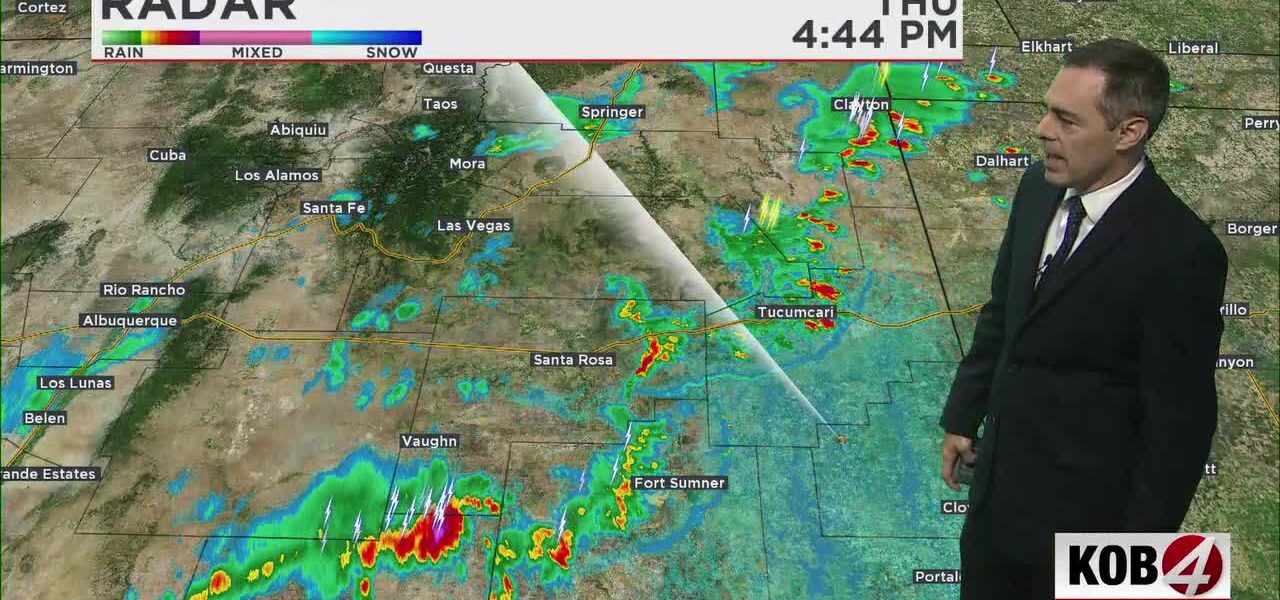
But wait, there’s more. The air-conditioning units are cranked, sure, but what about the water situation? That’s where it gets interesting, or maybe just terrifying. While parts of New Mexico are baking, other sections are gearing up for brief, intense bouts of moisture. [QUOTE_PLACEHOLDER] they say. That sounds benign, doesn’t it? A bit of a cool down, a welcome splash. Not quite. Because those fleeting storms—they’re not just bringing rain. They’re dumping it, often onto landscapes scarred by recent wildfires, creating treacherous conditions.
It’s a peculiar kind of paradox, isn’t it? The ground is thirsty for months, then it’s deluged in minutes. [QUOTE_PLACEHOLDER] reads the official advisory. See, when fire strips the land bare, there’s nothing left to absorb the sudden deluge. It just sluices off, taking everything in its path. And those scars? They’re getting more numerous, bigger. It’s a vicious circle: drought, fire, then flood. It seems the natural world, she ain’t pulling punches.
This week’s outlook isn’t exactly painting a picture of tranquility. [QUOTE_PLACEHOLDER] again — and again. Not much respite coming in the short term. Friday, specifically, is getting its own special warning: [QUOTE_PLACEHOLDER] It’s a relentless onslaught of solar energy, testing the resilience of communities that were built, let’s be honest, before a lot of these extreme weather patterns became the norm. They’re telling folks about [QUOTE_PLACEHOLDER] particularly pointing out [QUOTE_PLACEHOLDER] It’s not subtle advice. It’s a stark warning, — and one that resonates far beyond these sunbaked valleys.
Consider the broader implications here. While New Mexico struggles with this hot-then-wet whiplash, it’s not an isolated drama. These sorts of climatic stressors are amplifying conflicts — and destabilizing regions far more vulnerable. Take Pakistan, for instance. A country that consistently ranks among the most climate-impacted nations globally, it regularly faces both devastating floods—often monsoon-driven—and crushing heatwaves. Just last year, one heatwave saw temperatures breach 50 degrees Celsius (122 Fahrenheit) in parts of the Sindh province, followed by monsoons that displaced millions. The World Bank estimates that without urgent climate action, Pakistan alone could see 18 million of its citizens displaced by 2050 due to climate impacts. It’s an escalating global catastrophe, you see, a slow-motion unraveling where resources get tighter and folks get testier.
Back home, the authorities are still urging caution. There’s [QUOTE_PLACEHOLDER] Those aren’t your average summer sprinkles, no. [QUOTE_PLACEHOLDER] So, yes, it’s [QUOTE_PLACEHOLDER]—a headline that barely scratches the surface of the underlying turmoil. What we’re witnessing isn’t merely unusual weather; it’s a symptom, a visible crack in the foundation of how we’ve always thought about our relationship with the planet.
What This Means
This perpetual cycle of intense heat followed by sudden, localized deluges in New Mexico—an arid region accustomed to extremes, but not quite *these* extremes—is more than a meteorologist’s footnote. Politically, it strains public services. Emergency responders are consistently on high alert. Infrastructure—roads, bridges, drainage systems built for an earlier climate—gets battered repeatedly, demanding ever-increasing budgetary allocations that pull funds from other public needs. Economically, it means increased insurance claims, agricultural instability, and a potential hit to the state’s burgeoning tourism sector, particularly during peak summer months when outdoor activities are suddenly risky or just plain unbearable. Farmers, ranchers—they’re already navigating razor-thin margins. These erratic patterns, they only complicate matters, making long-term planning almost impossible. It’s a slow-burning crisis that’s constantly igniting smaller, localized ones, creating a perpetual state of reaction rather than proactive development. This pattern is sadly replicated in diverse geographies globally, from South Asia’s flood plains to the scorching expanses of the Middle East, making what’s happening here not just a local weather story, but a miniature, if localized, blueprint for what’s unfolding worldwide. [QUOTE_PLACEHOLDER] says the forecast, offering a momentary reprieve, but it ain’t fixing the bigger problem.