


New Mexico Drought Worsens: Policy & Economic Impact
As July 4th approaches, New Mexico faces a worsening drought. Learn how this water crisis impacts policy, the economy, and daily life in the state.

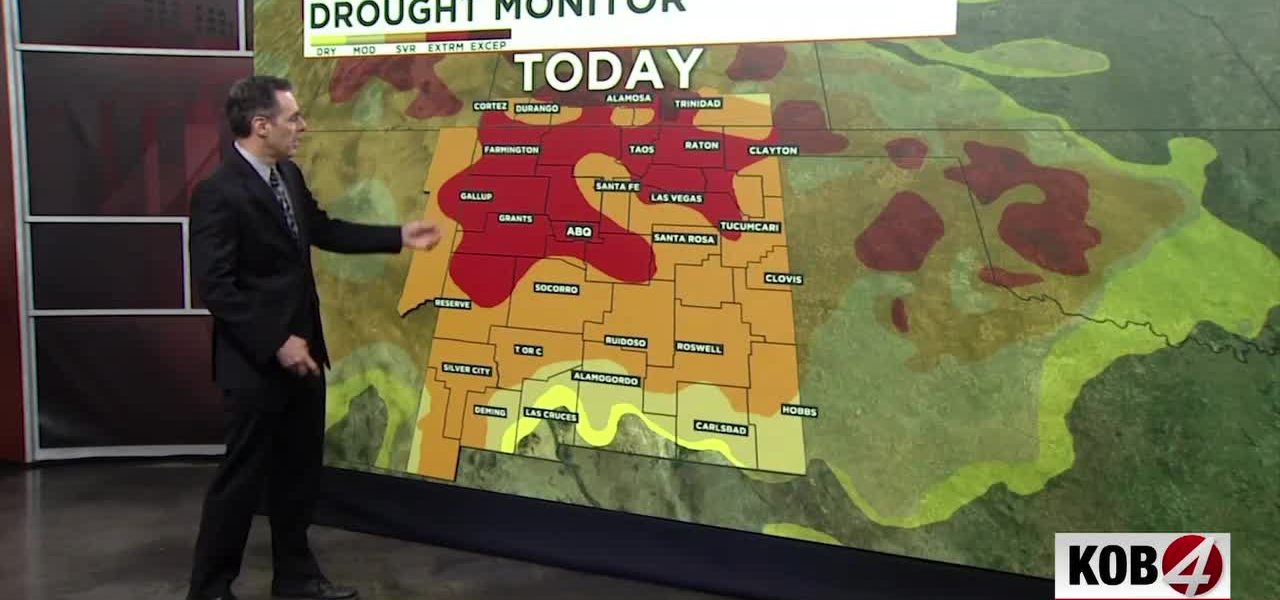
POLICY WIRE — ALBUQUERQUE, N.M. — While America geared up for its grand, fireworks-laden celebration of independence, something far less celebratory quietly tightened its grip on New Mexico. Forget the barbecues; folks here are eyeing the sky, — and not just for pyrotechnics. It’s the rain that really matters—or rather, the stark, unsettling lack of it. Just ahead of the Fourth of July weekend, new drought monitor maps offered a grim update: dryness is expanding, spreading its thirsty tendrils across crucial swathes of the Land of Enchantment, particularly around Albuquerque and those rugged northern counties.
It’s a scenario playing out with disquieting regularity. But this isn’t just about parched landscapes; it’s about water—the lifeblood of agriculture, the engine of development, and, increasingly, a source of political contention. When the soil cracks, so too does the veneer of comfortable stability. These latest assessments, fresh off the digital presses, paint a picture of a state moving in the wrong direction, just as peak summer usage kicks into high gear. Northern New Mexico, already a dry patch, is now wrestling with what monitors deem “bad drought.” You don’t need a PhD in hydrology to know what that means for rivers, reservoirs, and ranchland.
And what’s the forecast doing? Well, it’s not exactly helping. Rain chances are thin on the ground through the Independence Day revelries, with only a few isolated showers, mostly confined to the eastern fringes of the state. Because that’s how these things tend to go, isn’t it? Just enough to tease, never enough to quench. A tiny uptick in possibilities later in the week, maybe for those lucky campers staring nervously at afternoon storm clouds, but certainly nothing to shift the needle on the long-term deficit.
This isn’t just local weather chatter; it’s policy. The National Oceanic and Atmospheric Administration’s monthly outlook offers a sliver of cautious optimism, hinting at monsoon moisture building through July for western New Mexico, Arizona, and Utah. But even that comes with caveats, doesn’t it? Monsoons can be fickle. They can bring localized deluges, yes, but often leave broader, systemic issues unaddressed—or worse, create new problems with flash flooding. It’s a delicate dance, trying to extract hope from climatological projections that too often pivot from “some” rain to “not nearly enough.”
“We’re not just managing seasonal shifts; we’re wrestling with an accelerating climatic reality,” explained James Kenney, New Mexico’s Secretary of Environment, his voice betraying a hint of weary urgency. “Our water resources are under increasing strain, — and ignoring the signs would be sheer negligence. This isn’t theoretical anymore; it’s an immediate, grinding pressure on every facet of our economy and ecology.” He’s right, of course. It’s easy for abstract data to glide over the human consequences, but those on the front lines feel every drop, or lack thereof. According to the U.S. Drought Monitor, as of late June, roughly 48% of the state found itself in at least ‘D1 – Moderate Drought’ conditions, with almost a quarter reaching ‘D2 – Severe Drought’ and worse. Those aren’t just numbers; they’re a stark assessment of land under duress.
📄 POLICY WIRE WHITEPAPER PUBLISHED: PAKISTAN'S NATIONAL SECURITY POLICY PRIORITIES
👉 READ BY CLICKING HEREBut the short-term forecast offers a particular flavor of policy headache. “While monsoon moisture offers a glimmer of hope, it’s often a feast-or-famine cycle, exacerbating flash flood risks while longer-term deficits persist,” Dr. Lena Petrova, a hydrologist with the NOAA National Weather Service, recently mused during a regional climate briefing. “It’s a hydrologist’s nightmare – short, intense bursts don’t fix years of dwindling supply; they often just reshape the problem.” Her observation points to the systemic challenge: brief periods of intense rain can scarcely compensate for years of persistent dry conditions, creating a frustrating loop of short-term relief followed by continued aridification.
What This Means
The intensifying dryness in New Mexico, particularly ahead of a water-intensive national holiday, ripples far beyond environmental concerns. Politically, it amps up pressure on Governor Michelle Lujan Grisham’s administration to demonstrate robust, long-term water management strategies. They’re going to face tougher questions about state-level conservation initiatives, interstate water compacts (read: battles with neighbors like Arizona and Colorado), and how to protect a struggling agricultural sector. Economically, this translates to heightened risk for ranchers and farmers who depend on rainfall and snowmelt for irrigation and grazing. It’s also a significant hit to New Mexico’s tourism industry, especially outdoor recreation, as fire restrictions become more common and popular natural areas grow less inviting. Because fewer tourists mean less money sloshing around local economies. And the spectre of wildfires? That’s not just an environmental disaster; it’s a colossal economic drain for firefighting, recovery, and long-term land restoration.
Culturally, it highlights the state’s historical struggle with aridity, placing indigenous water rights and traditional practices front and center in the ongoing public discourse. this local narrative echoes a much broader, global story. Consider Pakistan, for instance, a country often grappling with its own extremes of drought and flood, where water scarcity has sparked civil unrest, strained diplomatic ties with neighbors, and threatened food security for millions. New Mexico isn’t facing an existential threat on that scale, not yet anyway. But it’s a localized manifestation of a global pattern: the increasingly volatile interaction between climate patterns, governmental policy, and human well-being. It’s a sobering reminder that our planetary future, a future where water becomes an ever more contentious commodity, isn’t some distant prophecy; it’s the daily reality playing out right here, right now, across drylands worldwide.