


Underdogs’ Roar: Belgium’s Bold Bet Against Spain, A Global Echo
POLICY WIRE — Los Angeles, United States — For some, the biggest battle isn’t waged on the field but in the court of public opinion. Belgian football coach Rudi Garcia seems to relish this...

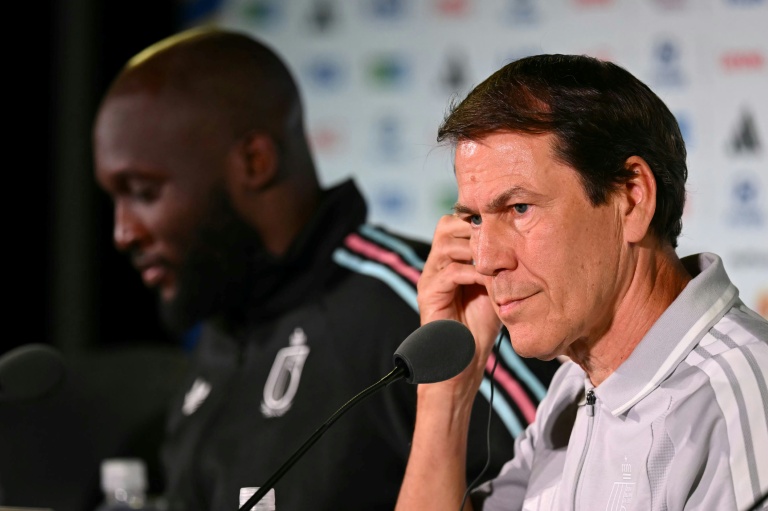
POLICY WIRE — Los Angeles, United States — For some, the biggest battle isn’t waged on the field but in the court of public opinion. Belgian football coach Rudi Garcia seems to relish this particular skirmish, staring down an almost universal prediction of his team’s World Cup quarter-final demise. The narrative is set: Spain, the untouchable European champions, marching relentlessly towards another trophy. Belgium? They’re just the next obstacle to be dutifully cleared. But Garcia, with the practiced nonchalance of a man holding an unexpected ace, isn’t buying it. Not one bit. His calm defiance cuts through the media hum, asserting that this match is far from a forgone conclusion.
It’s an age-old sporting trope, the mighty versus the dismissed, playing out under the scorching Californian sun. Spain’s dominant run — they haven’t given up a single goal all tournament— makes them look unbeatable. But even giants have heels, right? Belgium, on the other hand, meandered through their group, eking out draws against teams like Egypt — and Iran. Then, suddenly, they found their feet, hammering the United States 4-1 in the Round of 16. That decisive victory, it seems, has ignited a flicker of hope, or perhaps, a dangerous belief. We often see these shifts in momentum— it’s how narratives change, on the field and off.
And Garcia, ever the provocateur, wasted no time poking the bear. [QUOTE_PLACEHOLDER] Everyone is already talking about us going home, he noted during a Thursday presser, before dropping the hammer: But we think that we can do it. His tone wasn’t desperate; it was rather dry, brimming with an almost sly confidence. We think we can pull it off, and we’re going to do everything we can to get to the semis, he added, letting the words hang in the air, a gauntlet thrown.
But the numbers do speak to a certain prowess. The Belgians, it turns out, aren’t just punching above their weight; they’re packing some serious offensive firepower. Their 107 shots so far in the tournament, according to stats circulated by the team, places them second only to France, a team that has even played an additional game. It’s a testament to their attacking ambition, if not always their efficiency. Spain’s impenetrable defense versus Belgium’s persistent assault – it promises a tactical slugfest.
Then there’s the veteran presence. Striker Romelu Lukaku, a man whose goals often carry the weight of an entire nation’s hopes, echoed his coach’s unshakeable stance. He understands the psychological game. [QUOTE_PLACEHOLDER] if you manage to get this far, then you’re not going to play a game just to go home, Lukaku asserted, encapsulating the deep-seated professional pride driving them. He’s right, too. There’s a particular kind of stubborn resolve that takes root when you defy early expectations. Tomorrow we need to play the perfect game, he acknowledged, grounding the lofty ambition with a dash of pragmatic reality.
It’s a David-and-Goliath tale that resonates far beyond European football pitches, reflecting aspirations often felt across the global south. Think about countries like Pakistan, for instance. While not a traditional football powerhouse, the sentiment of overcoming perceived limitations— whether in sports or geopolitics— is universally understood. Like Belgium facing down Spain’s dynasty, these nations constantly grapple with larger, established powers, striving for moments of recognition and triumph. It’s the sheer force of will against institutional might. This World Cup often serves as a mirror to such broader global dynamics, reflecting the struggles and ambitions of emergent players against long-established titans.
📄 POLICY WIRE WHITEPAPER PUBLISHED: PAKISTAN'S NATIONAL SECURITY POLICY PRIORITIES
👉 READ BY CLICKING HEREGarcia dismissed concerns about a potentially hostile crowd in Los Angeles, which would largely be an American one still sore from Belgium’s elimination of the U.S. squad. We just beat the US, obviously, — and again at a stadium where everyone was against us. So I don’t think the conditions will be any more difficult tomorrow, he said, suggesting that their recent triumph only hardened their resolve. For him, the focus remains squarely on the pitch. It’s not the fans that score the goals. We’re going to focus on what we can do. We’ve got enough on our plate with the Spanish squad that’s a wonderful footballing team, Garcia observed, injecting a touch of respect, perhaps, but not deference. And even if we’re the underdog for tomorrow, we’re going to do everything we can to give them a run for their money.
What This Means
This match isn’t just about football; it’s a micro-drama reflecting larger political — and economic currents. Spain, a major European economy — and a traditional sporting titan, represents the established order. Belgium, a smaller, though wealthy, European state, embodies the challenger, a testament to what focused strategy and sheer grit can achieve against long odds. The coach’s public defiance, his casual dismissal of overwhelming predictions, serves as a masterclass in psychological warfare— a tactic familiar to any shrewd politician or business negotiator trying to project strength from a position of perceived weakness. For Policy Wire readers, it’s a stark reminder that belief and strategy can sometimes disrupt even the most entrenched hierarchies. And the performance of ‘underdog’ nations, whether on the global sports stage or in economic diplomacy, always carries extra weight, inspiring regions from Afghanistan to the burgeoning economies of South Asia where the narrative of ‘overcoming’ is a constant theme. It’s about demonstrating competence, asserting presence, and — perhaps most importantly— surprising everyone when it truly counts.