


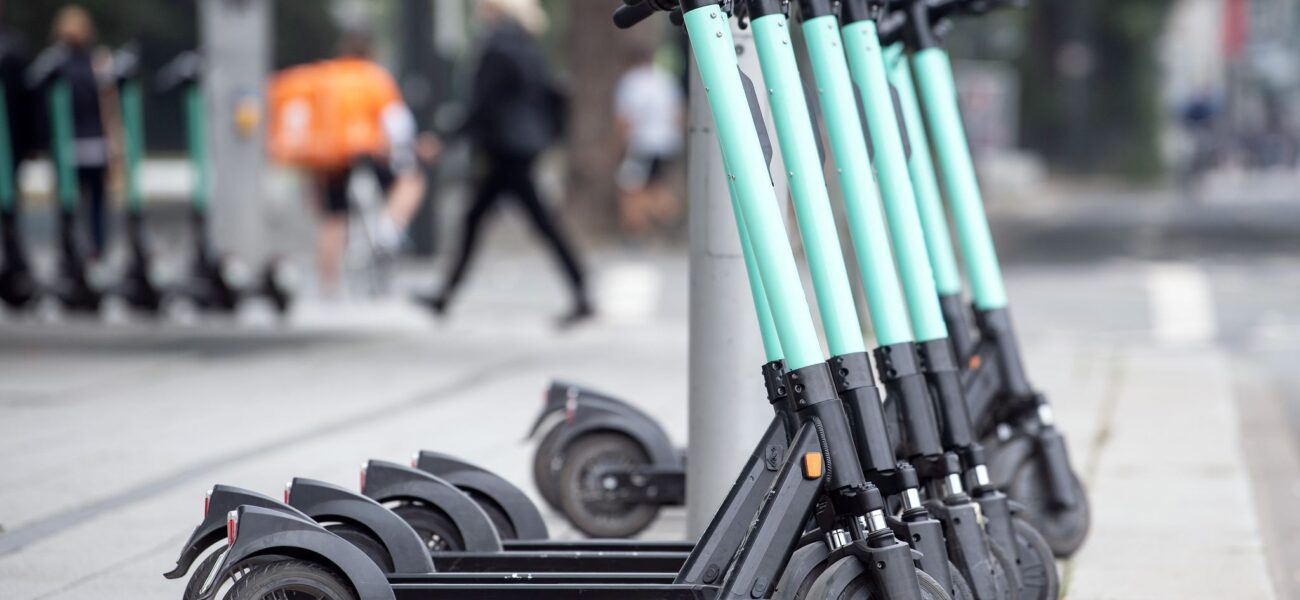
Berlin’s Scooter Reckoning: Bundestag Clamps Down as Urban Mobility Hits a Bump
POLICY WIRE — Berlin, Germany — There’s a subtle choreography to chaos. In German cities, it often involved a silent, motorized hum culminating in a distinct thud. Now, finally, the nation’s...

POLICY WIRE — Berlin, Germany — There’s a subtle choreography to chaos. In German cities, it often involved a silent, motorized hum culminating in a distinct thud. Now, finally, the nation’s parliament, the Bundestag, has decided it’s had enough of the freestyle approach to personal electric mobility, effectively reining in the country’s often-anarchic e-scooter scene. It’s a move that feels less like innovation policy and more like urban damage control—a bureaucratic head-nod to the mounting tally of broken bones and frazzled nerves that has become as much a fixture of inner-city life as döner stalls and hurried cyclists.
For years, these wheeled nuisances—or conveniences, depending on your age and pain threshold—zipped largely unfettered, carving paths on sidewalks and through pedestrian zones. And why wouldn’t they? Regulations felt perpetually one step behind the rapid deployment by aggressive rental companies. It’s an old story, isn’t it? Tech arrives, promising freedom, then government limps in much later to pick up the pieces.
The new legislative package isn’t a ban, not exactly, but it significantly ramps up liability requirements for operators and users. They’re making it tougher for you to hop on a scooter, wipe out a pedestrian (or yourself), and walk away shrugging, hoping someone else picks up the medical bill. This came, unsurprisingly, after an eye-watering surge in incidents. The Federal Statistical Office, Destatis, reported that accidents involving e-scooters more than doubled in the last reporting period, hitting upwards of 23,000 incidents nationwide. Just think about that. That’s a lot of scrapes — and hospital visits for what’s supposed to be a fun, green ride.
Transport Minister Volker Wissing, a Free Democrat often seen advocating for pragmatic approaches (or perhaps just trying to look decisive), stated, “We can’t just stand by as these devices contribute disproportionately to urban injury rates. It’s about protecting all road users, not stifling innovation—but responsibility simply has to be clearer now.” His words, predictably, echo the weary sentiment of many urban dwellers. But then you’ve got someone like Renate Künast, a Green Party veteran known for her forthright views, adding a sharper edge: “This isn’t rocket science; it’s basic public safety. It took far too long for us to realize that treating these as toys for tech-bros wasn’t sustainable.” She isn’t wrong.
Because the thing is, this regulatory inertia isn’t unique to Germany or e-scooters. You see similar patterns—albeit with vastly different stakes—in places like Balochistan, where public safety infrastructure and enforcement often struggle to keep pace with evolving threats or population demands. Whether it’s navigating a crowded city street or securing a sprawling, often volatile border region, the challenges of governance boil down to how effectively officialdom can respond to the messy realities on the ground, often years after the problem has taken root. It’s a global dynamic, really, just dressed in different outfits.
This push for stricter rules means scooter companies will now likely face higher insurance premiums. They’ll also probably have to invest more in educating users or enforcing safer riding practices. And for us? The end user? Expect fewer, maybe pricier, or just more inconvenient scooter options. It’s the inevitable maturation of a nascent, wildly popular, — and wildly disruptive transport fad.
📄 POLICY WIRE WHITEPAPER PUBLISHED: PAKISTAN'S NATIONAL SECURITY POLICY PRIORITIES
👉 READ BY CLICKING HEREWhat This Means
The Bundestag’s move is more than just about two-wheeled electric conveyances; it’s a telling snapshot of Europe’s ongoing struggle to manage technological disruption without strangling it. Politically, it signals a triumph for those prioritizing public safety and urban order over unbridled entrepreneurial zeal—a theme we often see playing out across the Continent when shiny new things bump into centuries of civic planning. Economically, we’re likely looking at a consolidation within the scooter rental market. Smaller players might struggle under the new liability burdens, leaving the field to larger, more established firms with deeper pockets. Prices could tick up. User experience could, arguably, improve as safety becomes a higher priority, or it could just become more cumbersome, pushing people back onto bikes or public transport.
This isn’t about outlawing the scooters; it’s about making them play by society’s rules. It’s a concession to the fact that while spontaneity has its charms, so doesn’t ending up in the emergency room. For cities, this could mean a gradual return to some semblance of pedestrian sanity. Don’t bet on perfect harmony, though. German bureaucrats, bless ’em, can legislate all they want. But you can’t legislate common sense—not really—and a truly responsible rider often comes down to individual temperament, not just regulatory decrees. There’s always an unseen hustle in managing public space, and sometimes, the best you can do is contain the chaos.