

Desert’s Fickle Promise: New Mexico Braces for Fleeting Deluge, Then Drought’s Return
POLICY WIRE — ALBUQUERQUE, N.M. — It’s a timeless irony, really. A land parched for much of the year now faces a handful of hours—a fleeting, chaotic deluge—before a dry shrug returns to the...

POLICY WIRE — ALBUQUERQUE, N.M. — It’s a timeless irony, really. A land parched for much of the year now faces a handful of hours—a fleeting, chaotic deluge—before a dry shrug returns to the horizon. New Mexico, that grand stage of vast, open spaces, readied itself for Wednesday night’s temperamental weather, not as a harbinger of salvation but as a reminder of nature’s relentless unpredictability. Folks here know well that even the heaviest downpours often barely dent the deep, abiding thirst of the high desert.
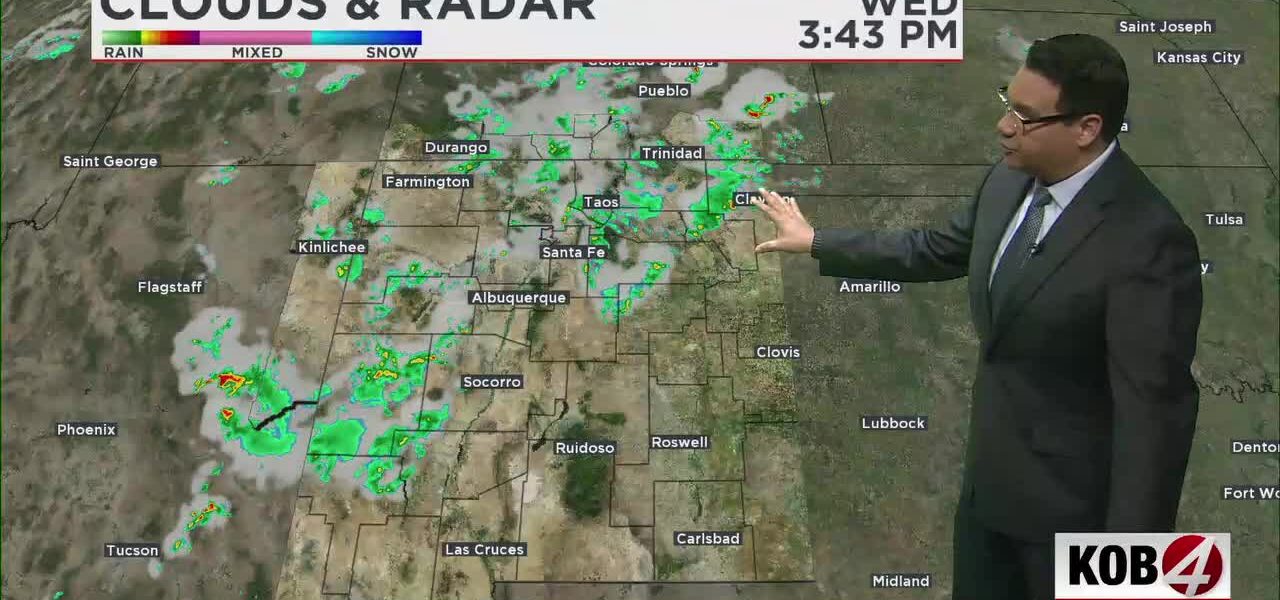
Forecasters aren’t painting a picture of widespread relief, not truly. Instead, they’ve been tracking those notoriously moody systems that tend to pop up, hit hard, and then just—vanish. The kind that might leave one canyon awash while the next ridge over remains bone dry. We’re talking about some pretty localized excitement, especially up near places like Taos, Red River and Angel Fire. These aren’t the slow, soaking rains that agriculturalists dream about, it’s more of a quick, sharp gasp from the sky.
But make no mistake, even these scattered episodes carry a punch. Meteorologists confirmed that [QUOTE_PLACEHOLDER] You’ve got to wonder how much that actually helps in the grand scheme. The real hotspots for this passing atmospheric drama—or perhaps, comedy—include [QUOTE_PLACEHOLDER] Seems a long list for a short, sharp shock. [QUOTE_PLACEHOLDER] officials noted, managing expectations with the rather understated news that [QUOTE_PLACEHOLDER] Good to know, I suppose, if you’re standing directly in a flood channel.
Out west, it’s a whole different vibe, of course. For areas like Gallup, Grants, Cuba — and the Continental Divide, the rain simply isn’t much of a factor. These slow-moving atmospheric events are [QUOTE_PLACEHOLDER] And, for those unlucky stretches of scrubland, the main takeaway? [QUOTE_PLACEHOLDER] Lovely. Nothing says welcome to the desert like wildfire concerns without the benefit of actual water. Most of these tantrums, like many short-lived excitements, were predicted to [QUOTE_PLACEHOLDER]
📄 POLICY WIRE WHITEPAPER PUBLISHED: PAKISTAN'S NATIONAL SECURITY POLICY PRIORITIES
👉 READ BY CLICKING HEREAnd then, it’s back to business as usual, which, for much of New Mexico, means a whole lot of nothing when it comes to rain. Thursday’s forecast for Farmington, Gallup, Bloomfield, Cuba — and much of northwest New Mexico? [QUOTE_PLACEHOLDER] It just shrinks the storm chances, leaving more sun — and more dust. The show then drifts east, so [QUOTE_PLACEHOLDER] There’s always a last hurrah, isn’t there? [QUOTE_PLACEHOLDER] Small consolation, considering the cumulative effect of such brief, violent events often causes more erosion than deep watering. This is why many across the globe—from the verdant plains of Pakistan during monsoon season to these New Mexican arroyos—have always approached rain with a mixture of reverence and trepidation. The land yearns for it, but receives it often in cruel, unhelpful bursts.
What This Means
This cycle of hyper-local downpours amidst overarching aridity isn’t just a meteorological quirk; it’s an economic and political quandary. For communities heavily reliant on tourism in mountainous areas—think Taos and Angel Fire—brief but heavy rain can impact outdoor activities and travel, though it often passes quickly enough to avoid severe disruption. But it also hints at a deeper, ongoing struggle with water security across the Southwest. According to data from the New Mexico Office of the State Engineer, the average annual per capita water withdrawal in the state stands at approximately 1,600 gallons daily, largely due to agricultural demands.
Such sporadic precipitation highlights the fragile state of federal — and local water infrastructure, too. You can’t build systems for long-term sustainability with these ephemeral bursts. Policymakers, especially in a state as parched as New Mexico, are constantly trying to balance increasing urban populations, energy development, and agricultural needs against dwindling groundwater and inconsistent surface water flows. The kind of rains we just saw, with their brief heavy downpours, rarely contribute significantly to the broader aquifer recharge or river flows essential for sustained growth. They just run off. And they don’t exactly solve the contentious interstate compacts on river water that define regional politics. This pattern, eerily reminiscent of flood-drought cycles in arid regions stretching from Morocco to Pakistan’s Indus River Basin, means that resource management isn’t merely about water; it’s about a complex dance between land use, climate adaptation, and ensuring basic human survival. This is the new normal, not just a passing squall.
📖 GET YOUR FREE COPY NOW OF POLICY WIRE DIGITAL MAGAZINE JULY 2026 EDITION
👉 READ & DOWNLOAD FREE MAGAZINE