

New Mexico’s Sky Plays Hardball: Erratic Deluges Rattle Drought-Stricken Lands
POLICY WIRE — ALBUQUERQUE, N.M. — It’s a paradox baked into the very dust of New Mexico: a land perpetually gasping for water, yet frequently lashed by brief, furious downpours. A harsh irony, isn’t...

POLICY WIRE — ALBUQUERQUE, N.M. — It’s a paradox baked into the very dust of New Mexico: a land perpetually gasping for water, yet frequently lashed by brief, furious downpours. A harsh irony, isn’t it? The very skies that offer respite also threaten a new kind of chaos, an unpredictable deluge that promises not a steady drink for the parched earth but a violent, short-lived bruising.
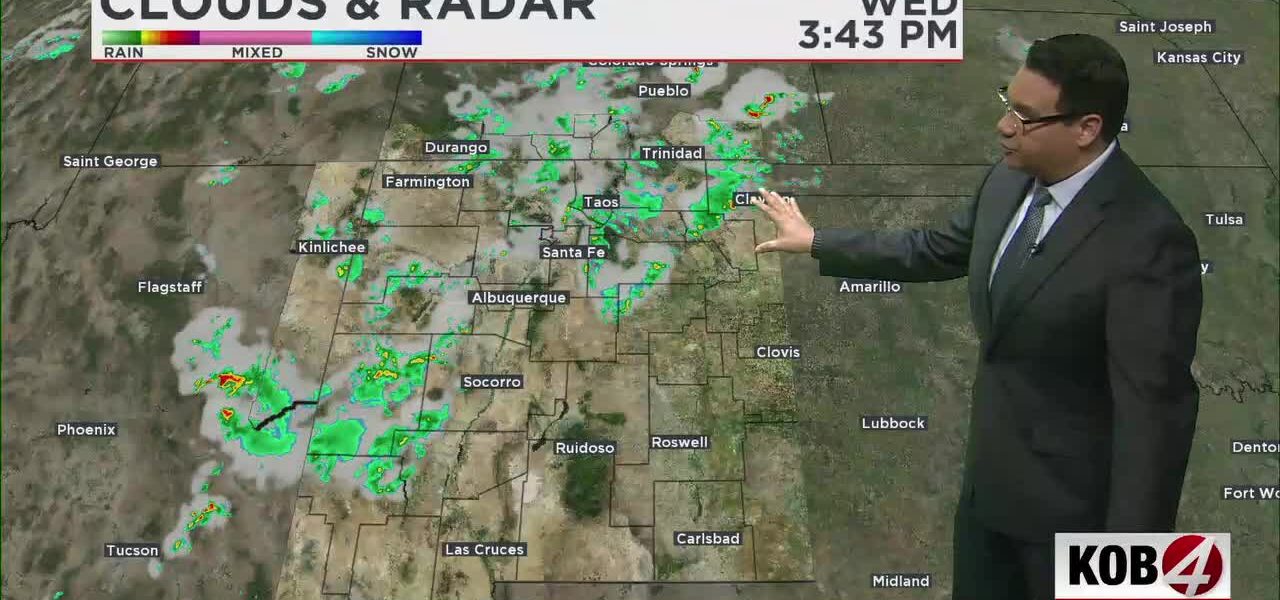
For a region where every drop counts—where communities have wrestled with water scarcity since time immemorial—these intense, scattered thunderstorms aren’t exactly the salvation one might hope for. Nope. They’re a different beast, a stark reminder that Mother Nature, as always, doesn’t do subtlety. Just yesterday, and rumbling into Wednesday evening, areas around Taos, Red River, and Angel Fire saw, well, a whole lot of very wet trouble.
It’s not just a forecast; it’s a symptom. The landscape, sun-baked — and unforgiving, turns a heavy hand to runoff when the rain does finally hit. It can’t absorb it all, can it? That’s why flash floods, even if the “threat remains low” as local bulletins casually state, are always on people’s minds. The slow-moving storms west of the Continental Divide? They won’t bring much rain, just dry lightning and gusts that can —and do—spark wildfires. You just can’t catch a break.
“We’ve built a culture here that understands adversity, knows how to pull together,” remarked Governor Michelle Lujan Grisham, her tone reflecting a weary determination common to politicians in the West. “But you can’t build your way out of every new curveball the sky throws. We need to think smarter, collaborate harder across federal — and state lines. It’s no longer about whether it rains, but how — and where it decides to explode.”
Indeed. The capriciousness of it all creates ripples, both economic — and existential. What does a bad storm, or a series of them, mean for the small mountain towns banking on tourist dollars? People plan vacations, they book cabins, they aim for a little piece of high-desert peace. Erratic weather, especially when it turns violent, screws that right up. Because who wants their serene mountain escape ruined by a sudden mudslide or power outage?
“A good summer brings folks to Taos, to Red River—it’s lifegiving for those local businesses,” explains Dr. Sarah Chavez, Director of the New Mexico Tourism Department, her voice tinged with concern. “Erratic, destructive weather? That’s not just a wet weekend; it’s a direct hit to the coffers. People change their plans. It’s a chain reaction, — and that ripples through local economies like a tidal wave.” It truly does.
📄 POLICY WIRE WHITEPAPER PUBLISHED: PAKISTAN'S NATIONAL SECURITY POLICY PRIORITIES
👉 READ BY CLICKING HEREThursday promises a slight shift, with drier air pushing into the northwest. Good for some, bad for others, because the chances for afternoon thunderstorms simply migrate, shifting towards Las Vegas (the New Mexico one, obviously), Raton, and Clayton. And some of those could pack a punch, with damaging wind gusts — and hail joining the atmospheric party. It’s a constant chess match with an opponent that changes the rules mid-game.
What This Means
This isn’t just local weather chatter; it’s a micro-snapshot of a macro-problem. What’s unfolding in New Mexico —these dramatic shifts between searing drought and sudden, violent downpours—is eerily reminiscent of challenges faced by other arid or semi-arid regions globally. Think of Pakistan’s Indus River basin, for instance. A place that simultaneously grapples with chronic water shortages and devastating flash floods fueled by increasingly unpredictable monsoon seasons. Both regions are on the front lines, battling a climate that seems determined to rewrite its own rules, and the stakes are monumentally high.
The economic implications for New Mexico are considerable, impacting everything from ranching and agriculture to its crucial tourism sector. Local governments are caught in a permanent cycle of response — and recovery, often with strained resources. Federal aid becomes less an ‘if’ and more a ‘when.’ According to a 2023 report by the National Oceanic and Atmospheric Administration (NOAA), extreme precipitation events have increased in intensity and frequency across the Southwest by nearly 15% over the past two decades, often exacerbating existing drought conditions rather than alleviating them uniformly. This creates a sort of ‘climate whiplash’ that requires innovative, expensive adaptation strategies—ones that local municipalities usually aren’t funded for. And who bears the ultimate cost? The taxpayer, of course. It’s a gamble, always, but the odds seem to be shortening with each passing season. You can see similar strategic challenges in places forced to make high-stakes resource decisions, trying to prepare for the inevitable.