

Gila Wildfire: Historic Cabin Lost, Sacaton Blaze Rages
Gila Wilderness wildfire claims historic Apache Cabin. The 0% contained Sacaton Blaze has burned 6,782 acres, forcing evacuations & revealing policy gaps.

POLICY WIRE — SILVER CITY, N.M. — Forget, for a moment, the burgeoning scale of the blaze or the dizzying numbers defining its growth. Before the wildfire’s monstrous appetite had even registered on the national conscience, it made a more intimate, perhaps more profound, declaration of its ferocity: the Apache Cabin, a venerable sentinel tucked away in the Gila Wilderness, is no more. It’s gone. Incinerated.
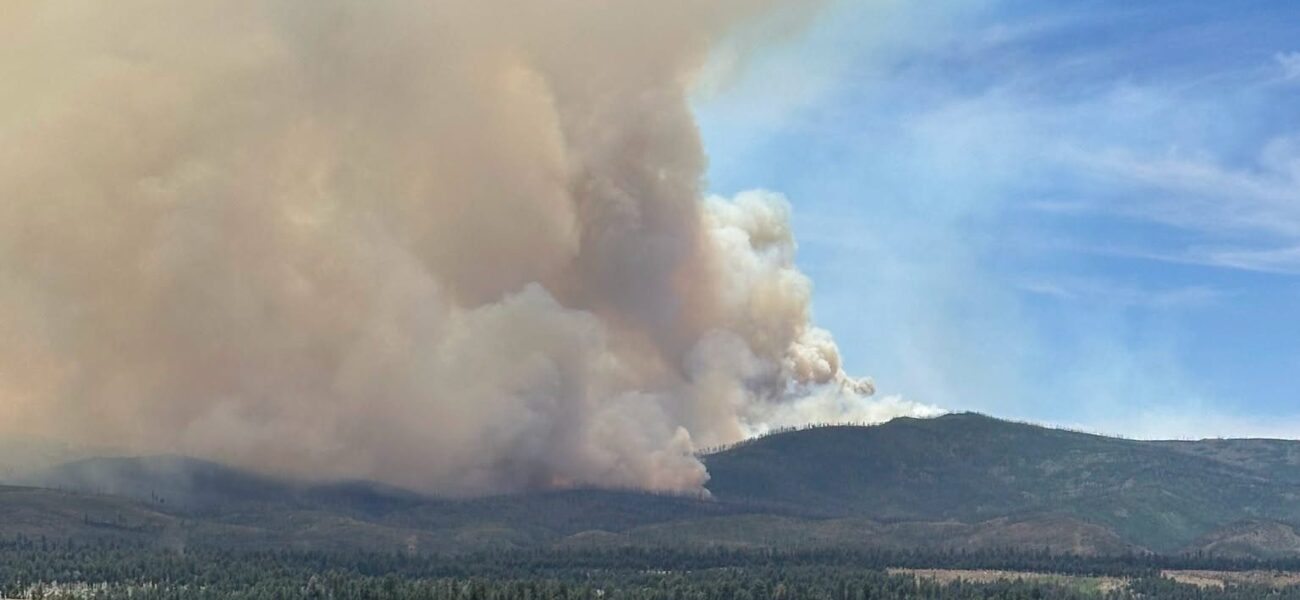
This isn’t just a sad anecdote. It’s a stark reminder that some losses, while local, resonate far beyond the immediate smoke-filled horizon. And this particular fire, christened Sacaton, hasn’t bothered with niceties. Started June 21 from lightning about 15 miles east of Glenwood, it’s behaving like a creature born of pure malevolence—swallowing landmarks, chewing through bone-dry forests, and pushing entire communities to the brink. It’s an aggressive display of natural force, stark against the canvas of human vulnerability. It ain’t pretty. [QUOTE_PLACEHOLDER]
The numbers are, shall we say, uninspiring: a staggering 6,782 acres have already fallen to the flames, according to local authorities monitoring the unfolding calamity. Even more telling is the utterly dire containment figure: the fire is 0% contained. That’s not a typo. It means every gust of wind, every rise in temperature, every new patch of fuel is another opportunity for an untamed, unchecked disaster to spread. It makes you wonder how much more will be consumed before any semblance of control takes hold.
Down in Willow Creek, folks aren’t waiting for official pronouncements on the abstract acreage. They’re dealing with the gut-wrenching reality of a GO! status
, told they should leave immediately
by the Catron County Sheriff’s Office. Imagine that knock on the door, that sudden scramble. Your life packed into a car, maybe. Your memories, your home, left to the arbitrary whims of an inferno.
Because, despite the heroic efforts of 148 personnel, buttressed by 114 additional resources that arrived Friday, the fire keeps pressing on. A July 4 update described its relentless march in the headwaters of Willow Creek through heavy fuels and dead trees left from the 2012 Whitewater Baldy Fire
. So, we’re not just dealing with new lightning, but the ghosts of past conflagrations, which had conveniently laid out a tinderbox for this new blaze. It’s a cyclical nightmare for those who call this land home.
Crews are out there, scrambling, playing a desperate game of chess against nature’s raw power. They plan structure protection work around the Willow Creek Subdivision
, a technical term for saving houses. Water pumps, hose lays — a veritable dam against a wall of flame. And they’re weighing defensive firing operations west of Willow Creek to protect private property
. Sometimes, you fight fire with fire. A tactical retreat, an organized sacrifice, in hopes of sparing what truly matters to people. But Apache Cabin, unfortunately, couldn’t be saved. Officials explained its demise simply: its mid-slope location and intense fire behavior didn’t allow safe firefighting access
. No safe access. The honest truth.
📄 POLICY WIRE WHITEPAPER PUBLISHED: PAKISTAN'S NATIONAL SECURITY POLICY PRIORITIES
👉 READ BY CLICKING HEREThe Gila National Forest now operates under Stage 1 Fire Restrictions, which is like putting a band-aid on a gushing wound after the fact. No open burning in vast swathes of Catron County. The gate’s closed, but the horse bolted long ago, didn’t it? Meanwhile, Bursum Road — and New Mexico 159 are barricaded, severing access, choking commerce, halting lives. And people are told to limit prolonged outdoor activity when smoke is present
and check the Air Quality Index before spending time outside
. It’s an everyday counsel that, in other parts of the world—like Pakistan’s polluted megacities during dry season—often falls on deaf ears, despite its severity. Here, it’s a direct consequence of a wilderness burning.
What This Means
This escalating inferno isn’t merely a localized emergency; it’s a symptom of a broader, more intricate problem – one deeply entangled with how we manage, or mismanage, our environment, and the policy choices that reverberate across landscapes and communities. Economically, the cost of fighting these mega-fires is astronomical, diverting state and federal funds from other public services. It’s a bill paid not just in resources and destroyed property, but in future liabilities, ecosystem recovery, and, for places like Willow Creek, fractured social fabric.
The fire’s expansion through fuels left by the 2012 Whitewater Baldy Fire spotlights a cyclical, almost fatalistic, flaw in land management. It suggests an underlying policy deficit in post-fire ecosystem maintenance—a failure to fully address fuel loads proactively. This cycle of mega-fire feeding on the remnants of previous mega-fire creates a perilous feedback loop, a situation not dissimilar to the recurring flood crises plaguing nations like Pakistan, where historical infrastructure neglect and rapid climate shifts repeatedly displace millions and cost billions. That nation faces an existential dance with resource allocation versus chronic disaster relief.
For the federal government, and even for local municipalities, it’s an unending budgetary drain, demanding tough conversations about proactive spending versus reactive disaster mitigation. And politically? The images of people evacuating their homes, the lost history, the smoke-filled skies—they create pressure on elected officials. They’re pressed to address climate resilience — and wilderness policy. Because as long as nature presents itself as unyielding and our approaches remain reactive, we’ll keep seeing beloved cabins become ashes and communities live in constant dread. It’s an inconvenient truth, isn’t it?