


Sudan’s Shifting Sands: Former Rebel Offers Glimmer of Hope Amidst Chaos
POLICY WIRE — Khartoum, Sudan — Another day, another grim tally in Sudan. The dusty streets here, once thrumming with everyday life, now often echo with the distant, horrifying soundtrack of...

POLICY WIRE — Khartoum, Sudan — Another day, another grim tally in Sudan. The dusty streets here, once thrumming with everyday life, now often echo with the distant, horrifying soundtrack of conflict—artillery fire, crackling small arms. It’s a backdrop that has ground down millions, pushed global aid agencies to their limits. And just when you’d think the playbook for ending this endless bloodshed had been thoroughly exhausted, some old hand, once an adversary of the very system he now advises, steps up with something unexpected.
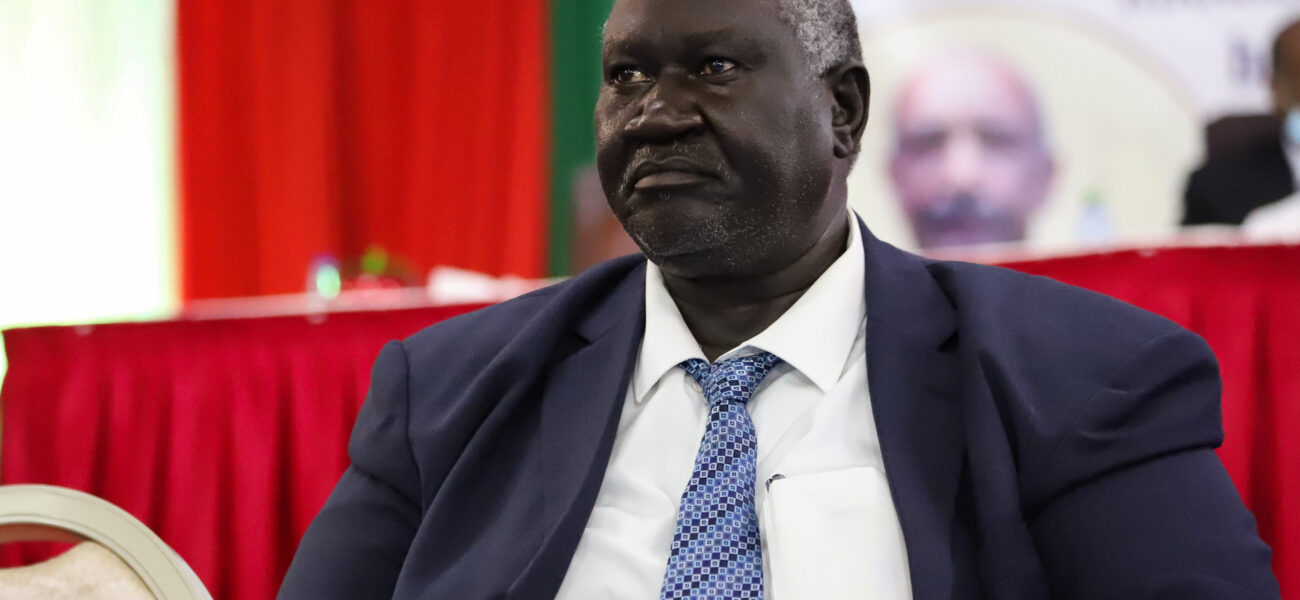
Meet Ahmed Al-Tayeb, a name once synonymous with insurrection in Darfur’s rugged expanses. Now, though, he’s less about rebellion — and more about… reintegration. Al-Tayeb, who swapped his fatigues for a government portfolio post a rocky peace deal years back, has recently —and rather quietly— tabled what he’s calling a “framework for localized stability.” It isn’t some grand, top-down agreement hammered out in Geneva. No. This proposal, reportedly circulated through discrete channels to regional actors and foreign embassies, talks about community-level ceasefires, resource-sharing pacts, and even localized disarmament mechanisms controlled by vetted elders and non-partisan figures. It’s a pragmatic, some would say desperate, shift from the broad strokes that usually fail.
It’s a peculiar thing, seeing a man once hunted by Khartoum’s forces now pushing for peace from within its fractured corridors of power. His plan implicitly bypasses the stalemated talks between the Sudanese Armed Forces (SAF) and the Rapid Support Forces (RSF), focusing instead on reducing violence in the peripheries—where the actual people are, you know, getting killed. Because the brutal truth? More than 8.5 million Sudanese have been displaced since April 2023, according to UNHCR. Think about that number. That’s a staggering human tidal wave, far exceeding even the UN’s worst predictions.
But can Al-Tayeb, a figure deeply entwined with the country’s thorny history of armed struggle, actually pull this off? Many are naturally skeptical. “His history, while complicated, gives him a unique understanding of ground dynamics,” commented Ambassador Zahra Hashmi, Pakistan’s Permanent Representative to the United Nations, speaking from Islamabad. “But the devil’s in the details, always. A plan born of local wisdom is one thing; getting warring factions with national ambitions to actually respect it, that’s quite another.” It’s a point Hashmi, from a nation grappling with its own complex internal security challenges, knows intimately.
Indeed. Sudan’s landscape isn’t some clean slate. It’s a mosaic of ancient rivalries, militias, — and political ambition. Al-Tayeb, however, frames his proposal not as a replacement for national dialogue but as a necessary pre-condition for it. Get the bullets to stop flying in some places, create zones of sanity, then perhaps—just perhaps—you can build outwards. But he’s walking a tightrope, caught between lingering resentment from his rebel days and the deeply entrenched distrust of the current military leadership.
“We don’t need more talk-shops in Jeddah or Addis Ababa right now; we need tangible security for our citizens on the ground,” a senior Sudanese foreign ministry official, speaking on background, insisted recently. “Mr. Al-Tayeb’s initiative, unconventional as it’s, resonates with those desperate for practical respite, not more political posturing.” It’s a subtle nod, perhaps, to the idea that Khartoum’s official channels haven’t exactly delivered. And that’s putting it mildly.
📄 POLICY WIRE WHITEPAPER PUBLISHED: PAKISTAN'S NATIONAL SECURITY POLICY PRIORITIES
👉 READ BY CLICKING HERECasual observers might roll their eyes—another day, another doomed peace initiative. But this one feels different, perhaps because it’s so low-tech, so fundamentally un-diplomatic in its genesis. It’s born of a former fighter’s understanding of what makes communities break, and what might, just might, make them mend.
What This Means
Al-Tayeb’s foray into grassroots peace-making isn’t merely an internal Sudanese affair; it carries considerable weight across the Muslim world and the broader international community. Because if even a fraction of his localized ceasefire proposal works, it offers a template. Not just for Sudan, but for other complex, intractable conflicts where national-level resolutions seem perpetually out of reach.
Economically, reduced localized violence, however incremental, could begin to untangle supply chains, allow farmers to return to their lands (sometimes), and permit the restart of local markets. It wouldn’t just stabilize things; it’d chip away at the crushing aid dependency — and foster nascent self-sufficiency. Politically, his gambit tests the genuine desire for peace from both the SAF and RSF—forcing them to choose between maintaining all-encompassing control and allowing desperate citizens some measure of quietude. And from a broader regional perspective? A stable Sudan, even incrementally, lessens the strain on neighboring countries reeling from refugee flows, curbing the proliferation of arms and extremist ideologies. His unexpected move might just be a dangerous gamble, or it could be the first, shaky step towards pulling Sudan back from the abyss, one small, contested village at a time. Nobody’s holding their breath, but then again, that’s kind of the point: you don’t always get peace with grand gestures. Sometimes it’s just the dogged, difficult work of convincing folks to put down their guns, even if only for a bit, right where they stand.