


Dewatering the Bureaucracy: Rio Grande Pool Saga Hints at Broader Infrastructure Woes
POLICY WIRE — ALBUQUERQUE, N.M. — It began, innocently enough, as a humble notification plastered onto a frosted glass door: the Rio Grande indoor pool, a splashy sanctuary for generations of locals,...

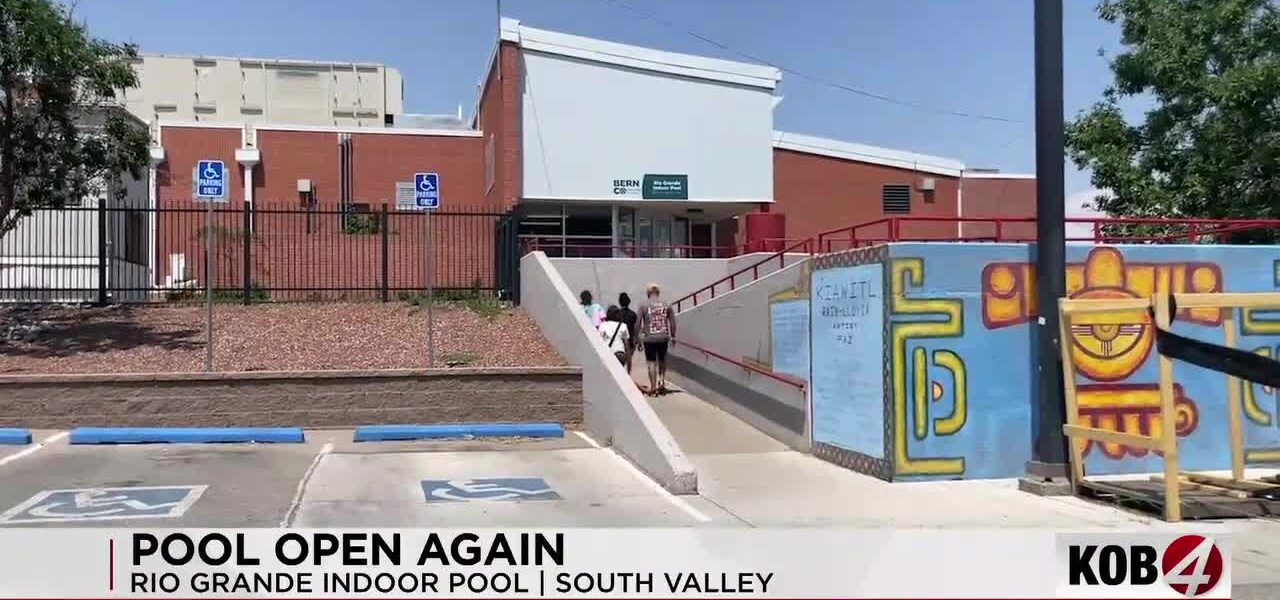
POLICY WIRE — ALBUQUERQUE, N.M. — It began, innocently enough, as a humble notification plastered onto a frosted glass door: the Rio Grande indoor pool, a splashy sanctuary for generations of locals, wouldn’t be open. A “mechanical emergency,” they called it. Not a typhoon, not a coup, just a phrase pregnant with the weight of unseen gears and pipes refusing to perform their duties. Yet, in the arid climes of New Mexico, where water is perpetually a commodity to be husbanded with care—and in public service, where taxpayer trust is equally scarce—such prosaic hiccups often ripple with far greater implications than mere inconvenience.
For two days, the lap lines went unused, the kiddie section sat still, and the gentle chlorine aroma, usually a comforting sign of civic investment, dissipated. But don’t misunderstand, this wasn’t some isolated incident; it’s a symptom. It’s about a town, any town, really, wrestling with what it means to keep the basic machinery of modern life running when budgets are always tighter than a drum. When the city’s aquatic center—a facility where some local children first learn to float—suddenly closes shop because, well, the old pump finally packed it in (a rather predictable eventuality, if we’re honest), it forces you to ponder the larger fiscal priorities at play. Are we patching things up, or are we building for the future?
City Manager Michael Montoya, a man whose public appearances often convey an air of perpetually managing the insoluble, downplayed the seriousness for Policy Wire. “Look, mechanical things, they break. It’s part of owning any complex system,” he offered, his tone carefully calibrated. “What’s important is that our team responded promptly. We don’t want residents to feel abandoned over something as basic as a swim.” He didn’t elaborate on the why of the failure, preferring to focus on the how quickly it was rectified. Because, sometimes, that’s all folks care about, right?
But his relief, almost palpable, only highlights the inherent fragility of public services. It’s a game of Whack-A-Mole for administrators, where one faulty water heater, one corroded pipe, can bring an entire wing of public leisure grinding to a halt. You spend untold millions on grand new civic projects, shiny new parks, and then you’re constantly scrambling to fund the maintenance of what already exists. It’s a municipal ballet, of sorts, a bureaucratic two-step that never quite gets the rhythm right.
Sarah Jenkins, the always-earnest Director of Parks — and Recreation, articulated the direct impact on the populace. “We had calls, naturally,” she confided, probably understatement of the week. “Parents wanting to know about lessons, seniors missing their therapy. This isn’t just about fun; for many, it’s a crucial part of their wellness routine.” She made it clear that while Friday’s special night swim was a welcome return, the momentary disruption served as a rather rude awakening for all concerned.
This whole kerfuffle — two days of closed doors and canceled cannonballs — speaks volumes. Albuquerque, like so many mid-sized cities across the American landscape, operates on a shoestring budget for its older amenities. In fact, a recent independent assessment of the city’s public works portfolio revealed that nearly 40% of its public recreational facilities are older than 30 years, many operating beyond their initial design life, often with minimal upgrades since their initial installation. That’s a statistic from a 2022 internal report by the Municipal Facilities Review Board that Montoya’s office quietly released during a less-watched Tuesday press brief. Think about that for a second. Forty percent.
📄 POLICY WIRE WHITEPAPER PUBLISHED: PAKISTAN'S NATIONAL SECURITY POLICY PRIORITIES
👉 READ BY CLICKING HEREWhat This Means
This micro-drama of a pool pump failure in Albuquerque is more than just a local news blip; it’s a telling snapshot of municipal governance challenges replicated across the globe. From aging water delivery systems in Lahore, Pakistan, where frequent service interruptions are an expected daily indignity for millions, to grid instability plaguing burgeoning metropolises in Southeast Asia, the basic contract between citizen and state – reliable service for tax contributions – is constantly under strain. For developing nations, these issues are compounded by insufficient investment and corruption, leading to widespread disillusionment. Here, in America’s Southwest, while the immediate impact is a missed swim class or two, it raises fundamental questions about public infrastructure funding. It’s about how local governments, starved for cash but pressured by populist calls for tax cuts, decide where to invest. Are we going to see a slow decay of essential services because maintaining the humdrum isn’t as sexy as cutting a ribbon? Because the pump on this little public pool, it’s not just a pump; it’s a metaphor, a mechanical canary in the coal mine, for a much larger system in gradual decline. What do we prioritize when there’s simply not enough money for everything? The question isn’t hypothetical. Just ask anyone who missed their swim.