
The Retail Reality Show: Walmart’s Quiet Diplomacy Amidst Grand Presidential Claims
POLICY WIRE — Washington D.C., USA — It’s a familiar sight, isn’t it? The spectacle of political figures laying claim to victories—economic or otherwise—often with an enthusiastic, unshakeable...

POLICY WIRE — Washington D.C., USA — It’s a familiar sight, isn’t it? The spectacle of political figures laying claim to victories—economic or otherwise—often with an enthusiastic, unshakeable confidence that defies immediate corporate corroboration. Sometimes, however, the silence speaks louder than any carefully crafted press release. That’s the playbook we’ve watched unfold recently, centering on the price tags at America’s largest retailer, a stage where political theater often meets prosaic commerce.
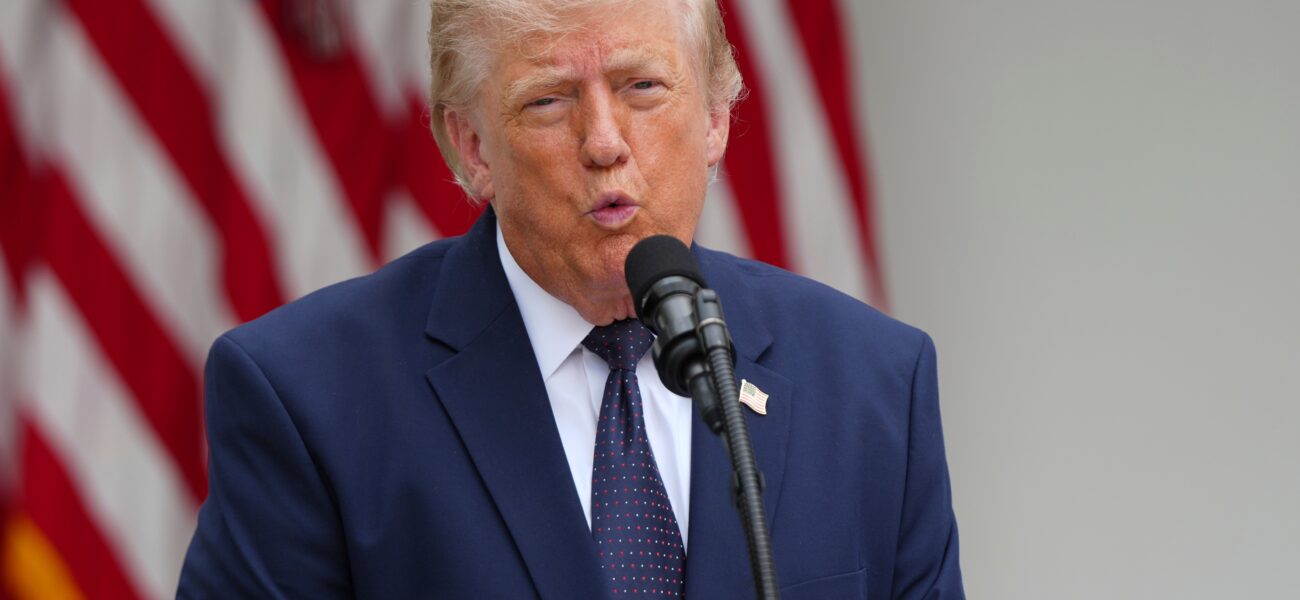
Consider the narrative: A former president, known for his directness — and self-attribution, made a bold declaration. He suggested a retail behemoth adjusted its pricing structure because he simply asked them to. [QUOTE_PLACEHOLDER], he asserted. That’s a powerful suggestion—a president, by sheer will or persuasion, moving the gears of global capitalism to ease the burden on everyday shoppers.
But then, there’s the other side of the coin. The corporate statement. Issued by the retailer in question, a juggernaut that moves an almost unbelievable volume of goods and shapes consumer habits. Their response? Utterly devoid of any direct mention of the administration’s role, past or present. It didn’t contradict the claim directly, which is savvy. But it certainly didn’t back it up either. Just a quiet omission, a masterclass in corporate non-committal language. One can’t help but appreciate the subtlety—or the nerve—of such an official communique.
This whole episode paints a stark picture of the perpetual push and pull between political optics and commercial realities. Presidents want credit for favorable economic trends, obviously. Corporations, though, they’re usually busy with quarterly reports and investor relations, meticulously avoiding anything that smells faintly of political entanglement. Especially when it comes to something as sensitive as pricing, which involves complex supply chains, operational costs, and competitor analysis—not usually subject to a single phone call or request, no matter who’s on the other end.
And let’s be real, price control is a global obsession, not just an American one. In places like Pakistan, for instance, managing the cost of essential goods is a constant, grinding battle for governments. Politicians there often face immense public pressure over commodity prices—wheat, sugar, fuel—and frequently step in, sometimes with heavy-handed policies, sometimes with less transparent interventions. The expectation for leadership to directly influence the bazaar price is palpable across much of South Asia and the broader Muslim world. So, a leader here making such a direct claim, even if unsubstantiated, resonates deeply with a universal voter expectation that power ought to translate directly into tangible economic relief.
📄 POLICY WIRE WHITEPAPER PUBLISHED: PAKISTAN'S NATIONAL SECURITY POLICY PRIORITIES
👉 READ BY CLICKING HEREThis phenomenon, this interplay of influence — and perception, isn’t new. It’s part of the human condition, isn’t it? People want a hero, or at least a powerful figure, who can make things better. The retailer’s official line, or the lack thereof, just quietly reinforced their independent standing. According to the U.S. Bureau of Labor Statistics, the Consumer Price Index (CPI) increased by 3.1% year-over-year in January 2024. That’s a big number that impacts every household. Corporations make adjustments, they say, in response to these macroeconomic forces and competitive landscapes—not usually a specific decree.
You’ve got to admire the strategic silence. It’s a deft corporate maneuver, really. They didn’t get into a public spat. Didn’t call anyone a liar. Just stated their piece—or didn’t—and carried on, leaving the political claim hanging in the air, mostly undisputed by them. It’s a different kind of power move. Because sometimes, saying nothing says everything.
What This Means
This little dust-up—a presidential boast and a corporate shrug—is more than just a passing news cycle oddity; it’s a telling glimpse into the ongoing power dynamics between political institutions and economic behemoths. When a former president claims to personally effect a price reduction from a titan like Walmart, it speaks to an attempt to project extraordinary executive power, blurring the lines between policy, rhetoric, and actual market forces. For the average voter, it simplifies a complex economic landscape into a direct causality—a powerful leader equals cheaper groceries. That’s an attractive, if misleading, proposition.
But the retailer’s deliberate omission isn’t accidental. It preserves corporate neutrality, guarding against becoming a political pawn or a de facto campaign prop. For any company, especially one of Walmart’s scale, associating too closely with specific political wins—or defeats—can alienate broad swathes of its consumer base. Their reticence demonstrates a preference for stable market positioning over validating any particular political narrative. Economically, this reinforces the idea that market prices are dictated by a multitude of factors, not simply presidential fiat, providing a quieter, if less dramatic, reality check on the efficacy of direct political intervention in a free-market economy. This also sets a precedent for how other multinational corporations might navigate similar political assertions, opting for cautious statements or even studied silence, especially as elections loom and politicians vie for any available credit. It’s a subtle yet firm assertion of corporate independence in a highly politicized world. What a tightrope, eh?
📖 GET YOUR FREE COPY NOW OF POLICY WIRE DIGITAL MAGAZINE JULY 2026 EDITION
👉 READ & DOWNLOAD FREE MAGAZINE