


Florida’s Gridiron Gambit: A Costly Reckoning for Gainesville’s Embattled Program
POLICY WIRE — Gainesville, USA — It isn’t just about scoring touchdowns anymore. At the University of Florida, where the roar of the crowd once signaled undisputed athletic dominion, a sobering...

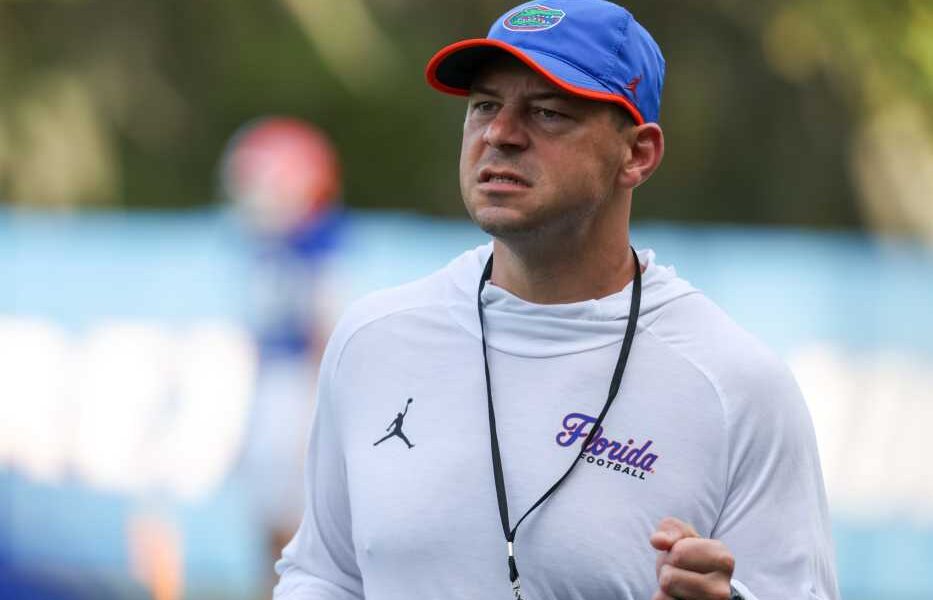
POLICY WIRE — Gainesville, USA — It isn’t just about scoring touchdowns anymore. At the University of Florida, where the roar of the crowd once signaled undisputed athletic dominion, a sobering reality has settled over the hallowed grounds of Gainesville. The athletic program, an economic engine and cultural touchstone, finds itself in an unfamiliar fiscal and psychological slump, with a new coach, Jon Sumrall, tasked not just with winning games, but with rekindling an entire state’s faith—and its associated revenue streams.
After nearly half a decade of gridiron mediocrity—a period punctuated by four losing seasons in five years, the kind of ignominy not seen since a generation before World War II—the arrival of Sumrall isn’t merely a coaching change. It’s an existential plea. Because for a school like Florida, football isn’t just extracurricular; it’s a primary driver of donations, enrollment applications, and national visibility, impacting everything from research grants to parking revenue. You see it play out with the university’s bottom line.
Sumrall, a coach whose resume sparkles with conference titles from smaller programs, faces a Goliathan task. The program’s finances, though largely opaque to the casual observer, whisper loudly of the true costs of consistent underperformance. The recent hiring spree, the player transfer market volatility, the expensive departures of previous coaching staffs—it all adds up, doesn’t it?
“Look, we understand the expectation. This isn’t just about X’s — and O’s; it’s about rebuilding trust with an entire community, a whole generation of fans. We’re not running from it. We’re running to it,” Sumrall declared during a recent media availability, his voice a gravelly mix of determination and guarded optimism. He’s got his work cut out for him. Florida’s former coach, Billy Napier, presided over an era where the Gators, astonishingly, failed to score more than 24 points in nine games last season, losing eight of them.
This isn’t merely a stat; it’s an indictment of an offensive philosophy that seemingly forgot the object of the game: put points on the board. The ripple effect of such a malaise extends far beyond the scoreboard, though. We’ve seen similar, almost national-identity-level obsessions with sporting success in other parts of the world. In nations like Pakistan, the collective mood can swing with the fortunes of their national cricket team, mirroring the way SEC football permeates every layer of society here. It’s a reflection of shared passion, yes, but also of profound civic pride that often masks underlying socio-economic tensions, making victories feel like an affirmation and losses a collective slight.
University of Florida Board of Trustees Chair, Eleanor Vance, wasn’t mincing words either, speaking off the record during a recent donor event. “The fiscal health of a university program this size hinges on sustained competitiveness. Our donors, our partners, they expect results. Jon knows what’s on the line, for all of us. This isn’t some back-alley poker game; it’s serious business, generating tens of millions for the academic mission.” She added, with a sigh, “Frankly, losing revenue hurts the whole ecosystem.”
Indeed, the program’s sluggish offensive output became a cruel parody of its storied past. Last season, the Gators converted only 34.2% of their third-down attempts, compared to their opponents’ 44.4%, a data point starkly highlighting a systemic inability to keep drives alive (NCAA Division I Statistics, 2025). That’s not just poor play; that’s effectively ceding possessions and, eventually, public goodwill. But there are whispers of a different future. Buster Faulkner, the new offensive coordinator, brings a history of ground-game dominance and — perhaps more critically — an ability to move the chains, something desperately missed in Gainesville.
What This Means
The rehabilitation of Florida’s football program extends beyond sport, delving into the raw nerve of American regional identity and the economics of large-scale university systems. A vibrant football program isn’t just about Saturday afternoon entertainment; it’s a significant marketing arm, attracting students, endowments, and state appropriations. Its decline sends an unsettling signal about institutional effectiveness and can even deter potential faculty or research partners.
The situation in Gainesville isn’t unique; it mirrors the broader struggles of legacy institutions grappling with the mercenary nature of modern athletics—where the transfer portal functions as a high-stakes, unregulated labor market and coaches are paid like Fortune 500 CEOs. This isn’t just about the Gators; it’s a bellwether for the increasingly precarious balance between athletic glory and academic mission, often an unruly dynamic in itself. Sumrall’s success, or lack thereof, won’t merely affect a few dozen athletes. It could dictate the tenor of an entire community, influencing local businesses, university fund-raising efforts, and the overall perception of one of the nation’s largest public universities for years to come. It’s a high-stakes gamble, plain — and simple.