


Silent Trawlers, Empty Nets: Africa’s Maritime Resource Battle
POLICY WIRE — Dakar, Senegal — Somewhere off the West African coast, another wooden pirogue is returning to shore, its hull noticeably lighter, its crewâs expressions etched with weariness. The...

POLICY WIRE — Dakar, Senegal — Somewhere off the West African coast, another wooden pirogue is returning to shore, its hull noticeably lighter, its crewâs expressions etched with weariness. The silent emptying of the sea â a quiet catastrophe unfolding far from headline-grabbing diplomatic summits â presents a particularly pungent irony for a continent frequently touted as the next great frontier for global investment. Here, the struggle isnât over mineral rights in a distant desert; itâs a very visceral battle for the fish that simply aren’t there anymore. This isnât merely a lament from disgruntled locals; itâs a foundational tremor threatening to destabilize entire coastal economies.
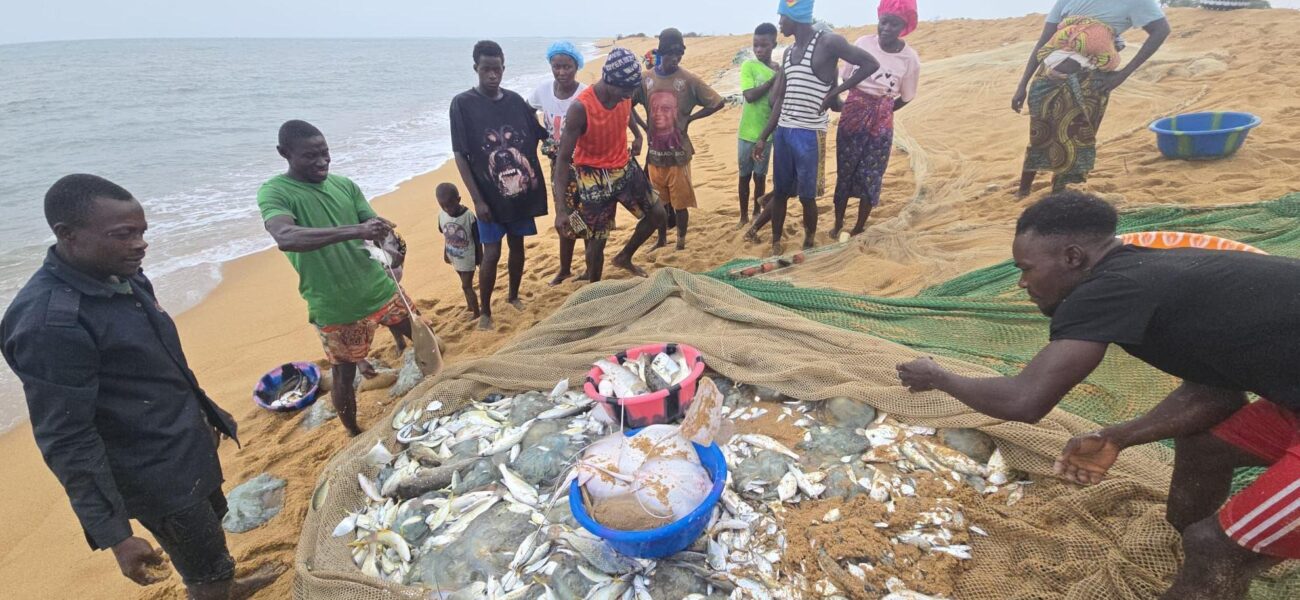
Itâs not hard to connect the dots on the docks of towns from Mauritania down to Angola. Locals, often operating small, traditional vessels, narrate a grim, familiar tale. They point fingers, not without cause, at an ever-growing armada of distant-water trawlers â industrial-scale operations frequently sailing under foreign flags. Theyâre scooping up prodigious quantities of marine life, the kind of hauls traditional methods simply can’t touch. The prevailing sentiment? These larger vessels are destroying livelihoods and leaving a barren wake behind them, especially where resources aren’t meticulously managed. [QUOTE_PLACEHOLDER]
And when those trawlers trace their provenance, the trail often leads back to one particular nation: China. The People’s Republic, you see, isn’t just building railways and ports; it’s also feeding an insatiable appetite for seafood back home, powered by a massive, government-subsidized fishing fleet. That fleetâs footprint is global, its reach staggering. There’s little doubt, folks here contend, about who’s taking their dinner from the sea. They say their government isn’t doing nearly enough to stop it.
But the problem’s bigger than just lost income for individual fishermen. Itâs food security, plain and simple. Coastal communities, historically reliant on fish as their primary source of protein — and income, now confront scarcity. That means soaring prices for what little fish remains, a diminished nutritional landscape for countless families, and increasing societal pressures. Imagine your basic diet changing overnight, — and there’s nothing you can do about it. Thatâôs the lived reality for millions.
Because Beijing’s broader engagement in Africa often comes wrapped in grand infrastructure projects and substantial investment packages, critics suggest these fishing ventures represent a different, perhaps darker, facet of its global resource strategy. It’s a subtle form of resource extraction that isn’t as easily nationalized or regulated as, say, a copper mine. The high seas are a tricky, often lawless, expanse, after all. And for some developing nations, pushing back against a major economic partner feels like biting the hand thatâs offering you a new power plant.
The situation isn’t confined to Africaâs Atlantic seaboard, either. This narrative of a global maritime resource grab resonates strongly in parts of the South Asia — and the Muslim world. Consider Pakistanâs coastline, where Gwadar Port, a linchpin of China’s Belt and Road Initiative (BRI), signifies deepened Chinese economic influence. While BRI promises development, questions frequently arise about the long-term impact of such massive engagements on local resources, especially fishing rights, and environmental sustainability. For example, Indonesian fishermen, for their part, have also found themselves embroiled in skirmishes and frustrations over incursions by foreign fleets â Chinese included â into their territorial waters. It’s a common thread running through developing maritime nations: the struggle to protect a sovereign resource when facing a global economic Goliath.
📄 POLICY WIRE WHITEPAPER PUBLISHED: PAKISTAN'S NATIONAL SECURITY POLICY PRIORITIES
👉 READ BY CLICKING HEREThe numbers speak a harsh truth. According to a 2022 report by the UN’s Food and Agriculture Organization (FAO), around 35.4% of fish stocks globally are overfished, meaning they’re being harvested at rates beyond sustainable biological limits. That figure illustrates the systemic pressure on marine ecosystems, irrespective of who’s pulling the nets, though large industrial operations obviously contribute disproportionately.
What This Means
The implications here are stark — and multifaceted. Politically, we’re talking about strained sovereignty — and governance vacuums. African nations, many struggling with institutional capacity and naval patrols, find themselves outmatched. How do you enforce fishing laws against powerful foreign fleets backed, directly or indirectly, by major state interests? It’s a colossal challenge, and one thatâs fueling domestic discontent. Governments face an unenviable choice: either risk diplomatic friction with a powerful ally or face an increasingly restive population losing its primary means of sustenance.
Economically, the impact’s already devastating. Depleted fish stocks donât just affect fishing families; they ripple through entire value chains, from processors to market vendors. This erodes local economies, pushes young people toward irregular migration routes, and exacerbates urban overcrowding as families flee coastal impoverishment. it complicates efforts to build a resilient, diverse economy when a foundational sector collapses. Long-term food security for millions is at stake; a lack of available, affordable protein has knock-on effects for health, education, and social stability.
And strategically? This situation underlines the broader challenges of China’s global rise. While its infrastructure projects are often lauded, the relentless pursuit of resources â be it minerals, timber, or fish â creates friction, resentment, and genuine ecological damage in developing nations. It forces a hard look at the terms of engagement and whether economic partnership truly translates into equitable benefit, or simply a new form of resource dependency. It’s not just a fishing problem; it’s a profound question about global equity, sustainable development, and who truly benefits when the global powers go hunting for dinner, or profit, in someone else’s backyard. Ultimately, itâs a reminder that beneath the shiny veneer of international cooperation, the fight for basic resources continues, often on painfully uneven terms.