


Berlin’s Unquiet Conscience: An Anti-Semitism Commissioner’s Unfinished Fight
POLICY WIRE — Berlin, Germany — A quarter-century on, Germany still struggles with the shadow of its past, a fight encapsulated, quite starkly, in the unenviable portfolio of its federal...

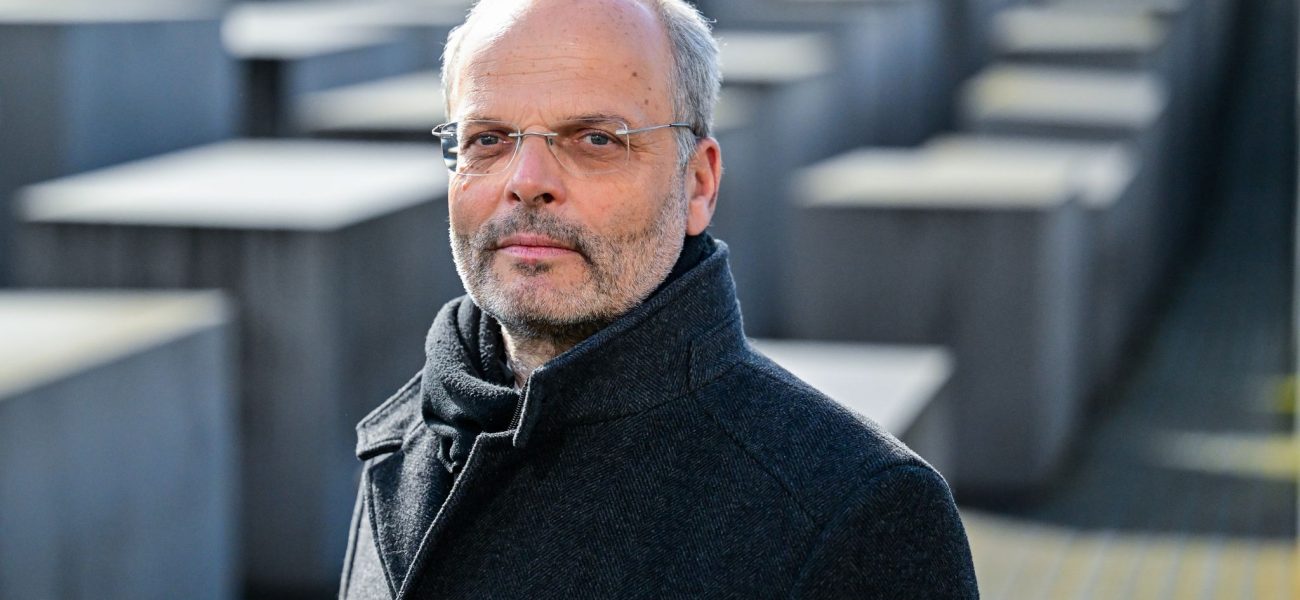
POLICY WIRE — Berlin, Germany — A quarter-century on, Germany still struggles with the shadow of its past, a fight encapsulated, quite starkly, in the unenviable portfolio of its federal anti-Semitism commissioner. Forget grand historical pronouncements. What really bites is the persistent, low-grade thrum of hatred in contemporary life, proving historical atonement isn’t some fixed, settled account. Now, as the current commissioner, Felix Klein, prepares to step down, one can’t help but wonder if the role itself, conceived as a shield against resurgence, has become a mirror reflecting a society that simply hasn’t finished grappling with its demons. It’s a job nobody wants to keep for long, perhaps because the progress feels so… incremental.
It isn’t just about swastikas spray-painted on synagogue walls anymore, though those grim acts certainly persist. No, the beast has evolved. We’re talking about the casual denigration in online forums, the loaded terms tossed around in protest rallies, and the uncomfortable whispers in social circles. Klein, an official appointed to a role many hoped would quickly become obsolete, has, instead, been witness to—and often target of—a depressing surge in public prejudice. You’d think, after all the earnest commemorations — and educational initiatives, Germany would be an exception. But that’s wishful thinking, isn’t it?
“We can legislate against discrimination, but you can’t mandate a change of heart,” Interior Minister Nancy Faeser recently told us, her expression conveying a weariness familiar to anyone monitoring this particular file. “The challenge is deeply cultural, sometimes even imported. It demands more than just policy; it requires a societal reckoning that frankly, isn’t happening fast enough.” And she isn’s wrong. A report by the German Ministry of Interior, made public just last month, revealed an almost 27% increase in recorded anti-Semitic incidents in the last year alone, a figure that jolts even hardened observers.
The complexities are staggering, blurring lines some would rather keep separate. The discussion surrounding Israel, for example—a sensitive subject anywhere, but acutely so in Germany—often tips into overtly anti-Semitic territory. Sometimes it’s disguised as legitimate critique, but then you hear the ancient tropes resurface. “When anti-Zionism becomes the pretext for demonizing Jewish people globally, regardless of their connection to Israel, we have to call it what it’s,” says Dr. Aisha Siddiqui, a respected analyst specializing in diasporic communities, speaking from Karachi. “And frankly, some discussions within the Muslim world need to be equally introspective about how legitimate political grievances are articulated without fueling ancient hatreds. That’s a conversation too many are unwilling to have.” She’s got a point there, doesn’t she? Because denying its presence in any community just perpetuates the problem.
Klein, throughout his tenure, has walked a diplomatic tightrope. He’s had to cajole educators, chastise politicians, and, often, patiently explain to international audiences that Germany’s post-war commitment is an ongoing project, fraught with internal contradictions. It’s not just a memory, you see; it’s an active, daily contest. Because sometimes, despite all the solemn pronouncements, it feels like certain corners of society just can’t shake the bad habits. Germany is embracing new geopolitical responsibilities, but domestic battles still drain its moral authority.
📄 POLICY WIRE WHITEPAPER PUBLISHED: PAKISTAN'S NATIONAL SECURITY POLICY PRIORITIES
👉 READ BY CLICKING HEREHis work didn’t just involve domestic advocacy; he was Germany’s face to global Jewish communities, reassuring them of Berlin’s vigilance even as statistics here at home told a darker tale. He saw how rising immigration, particularly from regions where anti-Israel sentiment is deeply embedded, compounded the existing challenges—not because migration itself is the problem, but because it introduces another layer of cultural baggage into an already overburdened societal discussion. It’s an uncomfortable truth, one politicians often dance around. But ignoring it doesn’t make it disappear.
What This Means
Klein’s departure doesn’t just mark the end of a commissioner’s term; it highlights the enduring, thorny dilemma at the heart of Germany’s national identity. The simple fact that such a position remains essential, indeed arguably more so now than ever, chips away at the comforting narrative of a Germany that has fully reconciled with its darkest chapter. Politically, this signals an ongoing domestic vulnerability that impacts Berlin’s ability to lead on human rights globally, weakening its moral standing, especially in discussions with nations it often critiques. Economically, while not directly measurable, a climate where hate speech flourishes, and specific communities feel unsafe, does little to project stability or attract top-tier talent seeking diverse, inclusive environments. More profoundly, it risks normalising certain forms of prejudice, making it harder for future generations to discern where healthy criticism ends and bigotry begins. It suggests Germany’s “Vergangenheitsbewältigung” – the struggle to overcome the past – is less a destination reached and more a road endlessly traveled.
So, the next person to take the commissioner’s job won’t be inheriting a clear path, that’s for sure. They’ll be stepping into a political minefield, tasked with convincing a diverse and sometimes resistant population that fighting anti-Semitism isn’t just about historical remembrance. It’s about securing the future, defending basic human dignity, and, frankly, proving that Germany learned its painful lessons. One can only hope, right?