

Presidential Touchdown: How a Phone Call Shattered Football’s Impartial Façade
POLICY WIRE — GENEVA, Switzerland — Picture this: a world stage, millions watching, and a referee’s snap decision hangs in the balance. But then, the unthinkable—a telephone call, a whisper of...

POLICY WIRE — GENEVA, Switzerland — Picture this: a world stage, millions watching, and a referee’s snap decision hangs in the balance. But then, the unthinkable—a telephone call, a whisper of power, allegedly from a former world leader to football’s ultimate arbiter—and suddenly, the red card vanishes. This isn’t some outlandish screenplay; it’s the bewildering backdrop to Folarin Balogun’s reinstated eligibility for the United States in the World Cup round-of-16. It’s a surreal moment that yanks away the thin veil of sporting impartiality, exposing raw political leverage at its most brazen.
It was never just about a red card. Oh no, not with these players. The drama surrounding FIFA’s eleventh-hour reversal for U.S. striker Folarin Balogun—who was initially set to miss the crucial match against Bosnia and Herzegovina—has less to do with the infraction itself and everything to do with the alleged intervention that made it disappear. According to multiple reports from sources like AFP — and The New York Times, former U.S. President Donald Trump made a direct appeal to FIFA President Gianni Infantino. A personal call, they say, to “review the red card.” One wonders what other pressing global issues might merit such direct, high-level diplomatic engagement. A yellow card in a local derby, perhaps?
And so, into this bizarre fray steps Jürgen Klopp, the highly-regarded former German national team candidate—he was the DFB’s top pick, don’t you forget it—who couldn’t quite believe his ears. “If Trump — and Infantino really worked this out between themselves, that’s crazy,” Klopp declared on MagentaTV. “It calls everything into question.” He wasn’t wrong. It’s the kind of backroom maneuvering that wouldn’t surprise seasoned political watchers, but feels utterly alien, and frankly, dirty, in the realm of global sports. Because when leaders can casually pick up the phone and sway an international sporting body’s disciplinary action, what exactly are we left with?
Klopp wasn’t alone in his incredulity. “There really aren’t two opinions about it,” he stated, acknowledging the lingering doubt even if the U.S. chose not to play Balogun anyway, perhaps to distance themselves from the controversy. He added, with a dry cynicism that veterans know all too well, “We all suffer from wrong decisions. But over the course of life, we all learn to live with them. And this is simply a factual decision by the officials.” A factual decision, indeed, if you count presidential interference as a ‘fact’ of FIFA’s justice system now.
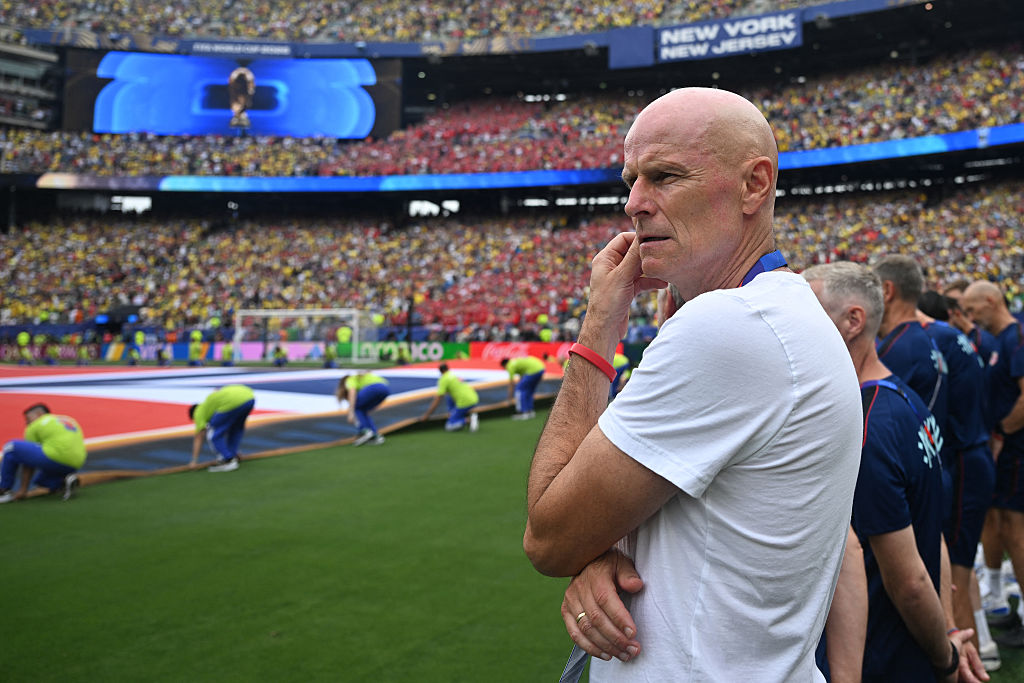
Norway national team coach Stale Solbakken pulled no punches either. For him, FIFA’s action was a “big mistake” and “a bad, bad, bad decision that will damage the World Cup.” He hit at the core issue: integrity. “I also feel sorry for the USA. If they win, it will always hang over them. That’s not good for the sport.” But more than that, Solbakken expressed a chilling premonition: it sets a dangerous precedent. “What about the next red card? What happens then? Will there be some panel somewhere in the future that simply overturns cards like this?” he questioned, painting a bleak picture of future sporting jurisprudence where rules are as flexible as the highest bidder’s influence.
This blatant display of quid pro quo governance doesn’t just stain the beautiful game; it corrodes public trust in institutions far beyond the stadium. For nations like Pakistan, where skepticism towards global bodies—whether it’s the IMF, the UN, or even international sporting federations—often runs high due to perceived inequities or historical biases, this incident offers stark confirmation. It fuels the narrative that the powerful operate by a different rulebook, an informal system of privilege that can supersede official statutes. Digital ghosts may haunt Pakistani courtrooms, but the ghost of political favors now explicitly haunts the World Cup pitch, an unsettling echo for anyone seeking fair play globally.
What This Means
The alleged Trump-Infantino intercession—and FIFA’s subsequent backtracking—carries significant political and economic weight. First, it deeply compromises FIFA’s perceived independence — and credibility. This isn’t merely about one player; it’s about the erosion of trust in the regulatory framework governing a sport followed by billions. Globally, football’s sheer scale is staggering; FIFA’s revenue for the 2019-2022 cycle, for instance, hit a staggering $7.6 billion, making every decision, and its appearance of fairness, financially and diplomatically critical. Any perception of political manipulation—especially involving a former U.S. President with a history of testing institutional norms (recall his administration’s other policy moves)—damages the league’s brand, its commercial appeal, and its ability to act as an impartial global convener.
Economically, if nations begin to suspect that outcomes can be bought or influenced by power rather than merit, investment in infrastructure, sponsorships, and even domestic football programs could be affected. Who wants to pour resources into a system that seems rigged? Politically, it signals to other nations and leaders that informal channels might be more effective than adhering to established rules. This creates a destabilizing precedent for international governance, where power diplomacy triumphs over transparent, bureaucratic process. It cheapens the sport, yes, but also undermines the very idea of fair play, which isn’t just a sporting principle; it’s a foundational ideal for international relations, too. This event, in its bizarre spectacle, becomes a grim commentary on whose rules truly matter.
It’s not just a bad call, you see. It’s a seismic tremor, reverberating through the bedrock of international sportsmanship, reminding everyone that sometimes, a phone call from the right person trumps every rulebook ever written.