

Manchester City’s Risky Roster Gamble: Dias Becomes the Last Line of Leadership
POLICY WIRE — Manchester, England — In the cutthroat arena of professional football, a club’s identity isn’t just etched in trophies, but in the less glamorous, often overlooked constancy of...

POLICY WIRE — Manchester, England — In the cutthroat arena of professional football, a club’s identity isn’t just etched in trophies, but in the less glamorous, often overlooked constancy of its foundations. Manchester City, a veritable leviathan in modern football, finds itself in a precarious moment, not from a boardroom upheaval or a scandal, but from the quiet erosion of its backline’s collective memory. Two defenders, Nathan Aké — and John Stones, have moved on. They weren’t always first-choice picks, no. But their departure, anticipated or not, strips a newly shaped squad—under fresh management, no less—of precisely the gritty, veteran ballast it couldn’t afford to lose. The silence left behind by their exit? That’s what’s really unsettling.
It’s easy to dismiss these moves as merely part of the transfer carousel. Aké packed his bags for Fenerbahçe; Stones, a reliable albeit sometimes sidelined figure, wasn’t offered new terms, thus departing the FA Cup and Carabao Cup holders. For months, whispers about both were just background noise. Their contributions last season were, let’s be frank, often confined to squad rotation or filling gaps when injuries bit deep. Aké generally acquitted himself well when called upon, while Stones’s 2025-26 campaign became a frustrating string of missed minutes, ultimately sealing his fate.
But leadership isn’t just about starting every game. It’s about being there. Knowing the drill. Steadying the ship when the younger lads are panicking. It’s about pulling a player aside after a bad pass, or roaring at them to stay focused. And that, in large part, is where this club now feels exposed. Because Bernardo Silva also opted for pastures new. You’ve got a power vacuum forming, a quiet shifting of institutional weight.
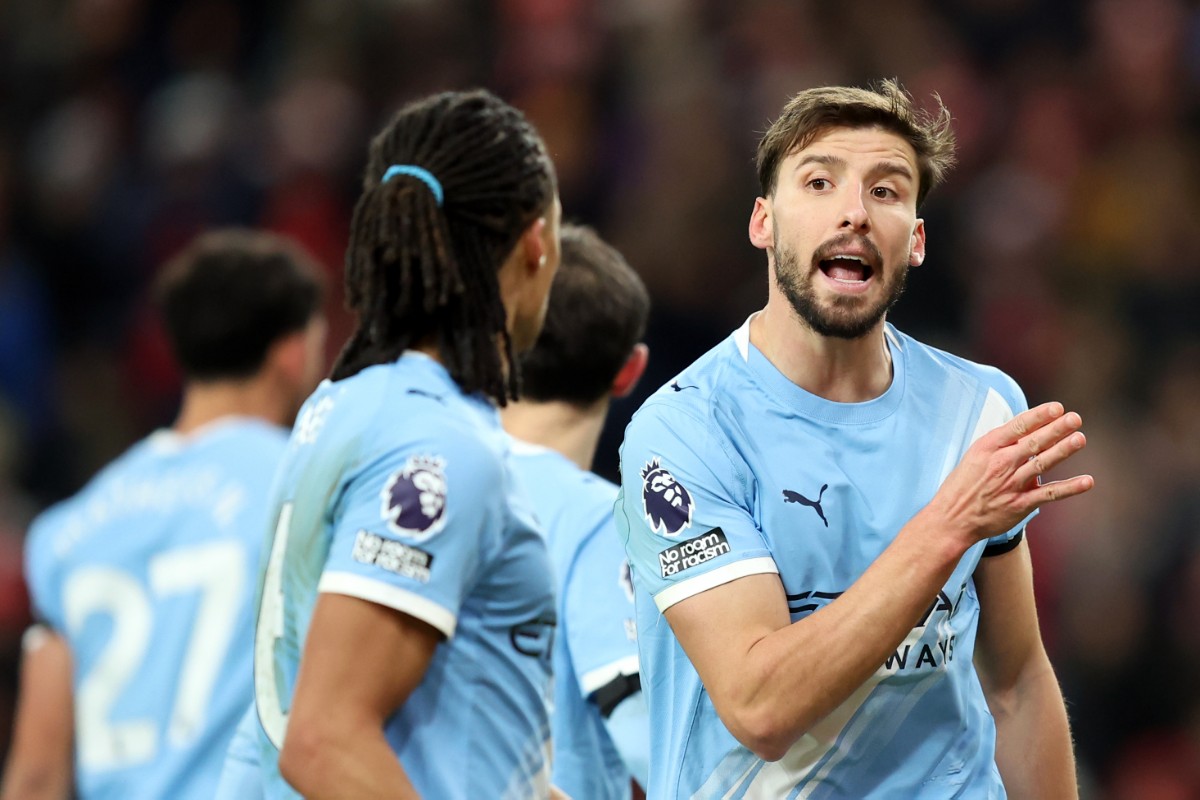
So, enter Ruben Dias. The Portuguese international suddenly looks less like a star defender and more like the last structural beam in a house that’s undergoing major renovations. Reports have naturally linked him with pretty much every deep-pocketed European behemoth—Real Madrid, Barcelona, even Chelsea — eyeing his signature. And City’s response? A resounding ‘not for sale.’ That’s not just a negotiating stance, is it? It’s desperation in disguise.
“The market, it’s a living thing, you know? Players move, cycles end,” legendary City boss Pep Guardiola reportedly mused in an off-the-record chat recently, reflecting on the transient nature of modern football. “But the spirit, the ambition—that must remain, always. It’s what holds everything together, especially when things shift.” A very philosophical take, if you ask me, from a man who knows a thing or two about rebuilding. But that philosophical cushion won’t patch the gaps in the defensive roster, will it?
New manager Enzo Maresca isn’t hiding his reliance. “Ruben, he’s more than just a defender,” Maresca stated, addressing journalists at his inaugural press conference. “He’s an extension of my voice on the pitch, a standard-bearer for our demanding ethos. We simply couldn’t envision this project without him leading our backline.” That’s not just a public endorsement; it’s practically a plea. He understands Dias is meant to shepherd the likes of Josko Gvardiol, Abdukodir Khusanov, Marc Guehi, and Vitor Reis – a talented but comparatively green bunch who’ll be clamoring for starts.
What This Means
The situation at Manchester City, where a premium defender like Ruben Dias becomes almost untradeable, reflects a wider trend in the global football economy. These days, retaining such talent often trumps the allure of even a gargantuan transfer fee, especially when soft power and stability are concerns. This isn’t just about winning titles; it’s about projecting an image of unflappable dominance, an imperative for clubs often under state-backed or conglomerate ownership with expansive geopolitical interests.
According to a recent analysis by the CIES Football Observatory, the average transfer value of top-tier central defenders in Europe’s Big Five leagues has soared by nearly 40% over the last five years, reflecting the premium placed on defensive stability in a high-octane, attacking-minded game. And clubs, particularly those with connections to state wealth funds — a landscape quite familiar to major entities from the Arabian Gulf and increasingly influencing South Asia’s football fervor through partnerships and broadcast rights — recognize that leadership stability on the pitch directly mirrors confidence in the board room. That’s why keeping Dias isn’t just a sporting decision; it’s an economic statement, a nod to long-term structural integrity that resonates from Manchester all the way to Karachi’s burgeoning Premier League fan clubs. Because losing Dias now, after Aké and Stones, would scream vulnerability in a sport that values certainty above almost everything else.
The stakes? Not just three points or a shiny trophy. We’re talking about maintaining an aura, a culture, a kind of invincible resolve that top clubs—particularly those engineered for global appeal—meticulously cultivate. Enzo Maresca might be getting his first taste of Premier League management, but he’s already been handed a monumental, unforeseen test of leadership preservation. Don’t underestimate it. It’s the kind of subtle wobble that can cascade, — and City can’t afford a single structural tremor. Dias isn’t just a player; he’s an organizational commitment. They simply must keep him.