


Ukraine: The Grinding War & Its Global Consequences
Ukraine's relentless war isn't just a regional conflict. Delve into its dire civilian impact and the widespread global consequences for economies and international order.

POLICY WIRE — Kyiv, Ukraine — Sometimes, it isn’t the shockwave that gets you. It’s the drone of an air raid siren at 3 AM. Again. That low, mournful wail. It’s become just another layer in the background noise of life in Kyiv, Kharkiv, or Odesa. A chilling symphony that punctuates ordinary days, a cruel reminder of a war everyone else seems to be growing weary of, but which shows absolutely no sign of relenting for those caught in its direct path.
Because that’s the reality now, isn’t it? The back-and-forth shelling between Russia — and Ukraine isn’t breaking news anymore; it’s Tuesday. And it’s Wednesday, too. It’s this brutal, almost ritualistic exchange that dictates the pulse of the continent’s most intractable conflict, carving up lives and leveling infrastructure with a horrifying regularity.
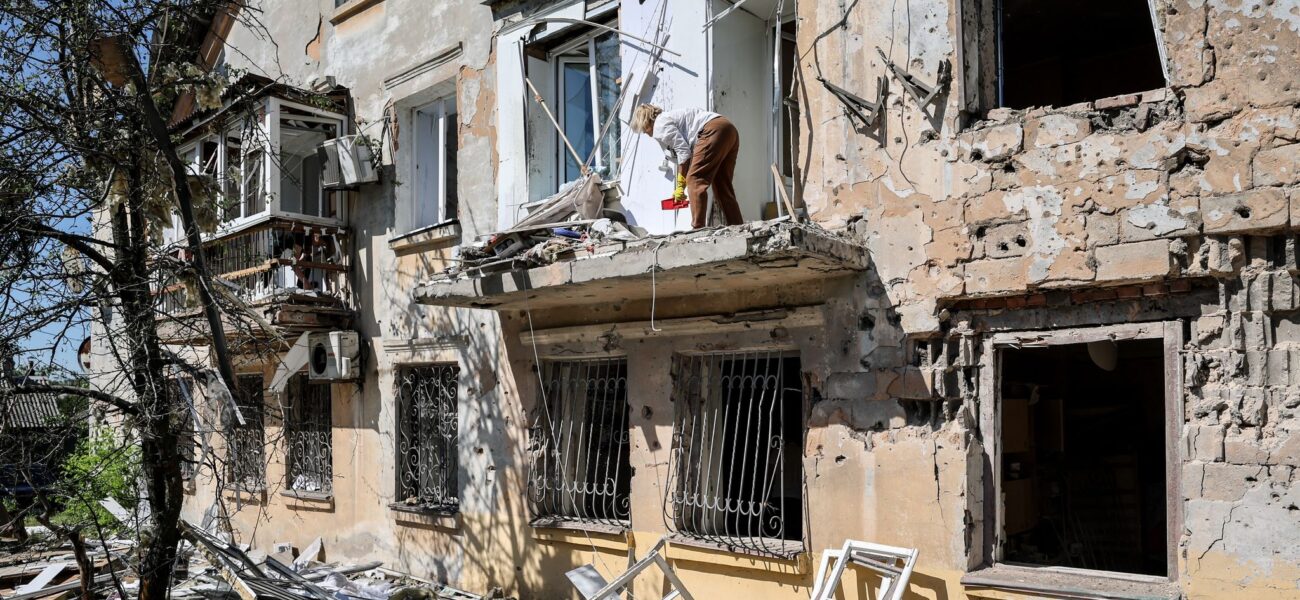
Just yesterday, Kyiv felt Moscow’s long reach, its residential areas rattled by incoming barrages that left rescuers sifting through debris for survivors—or, too often, remains. Down south, over in Russian-held territories, reports surfaced of Ukrainian drones striking a busy market. Civilian areas, hit. Always civilian areas. It’s the war’s grim, unchanging rhythm. Neither side seems able to deliver a decisive knockout blow, yet neither hesitates to deliver painful, attritional jabs.
“We won’t just stand by as our cities burn and our people perish,” stated Ukrainian President Volodymyr Zelenskyy, his voice often a weary testament to unrelenting resolve, following the latest wave of attacks. “Our response will be precise. It will be proportionate. And it will remind the aggressor that every crime has a price.” It’s the kind of resolute defiance that fuels the fight, even as exhaustion sets in across Europe.
But the Kremlin has a different narrative, naturally. “These so-called ‘retaliatory strikes’ by Kyiv are nothing more than terror attacks against our civilian populations,” countered a spokesperson for the Russian Ministry of Defense, speaking anonymously as per established protocol. “Our forces are conducting special military operations aimed solely at legitimate military objectives to protect our borders and our citizens from aggressive NATO expansionism. Any civilian casualties are a tragic consequence of Kyiv’s use of human shields and placement of weaponry in residential zones.” Old accusations, delivered with a straight face.
The human cost? Staggering. More than 10,500 Ukrainian civilians have reportedly lost their lives since the full-scale invasion began, according to data compiled by the UN Office of the High Commissioner for Human Rights (OHCHR). And that’s just the verified toll. The actual numbers, many humanitarian organizations quietly acknowledge, are far, far higher. Untold millions have been displaced, their homes vaporized, their futures utterly shattered.
📄 POLICY WIRE WHITEPAPER PUBLISHED: PAKISTAN'S NATIONAL SECURITY POLICY PRIORITIES
👉 READ BY CLICKING HEREAnd what about the world watching? The repercussions don’t stop at Europe’s border. Global food prices, still recovering from previous shocks, feel the constant tremor from the Black Sea blockade. Nations far from the front lines, like Pakistan—already grappling with its own geopolitical and climatic stresses—find their economic calculations upended by the distant conflict. Fuel prices spike. Supply chains snarl. It’s a complicated web, — and every string connects. Islamabad watches as Russian oil, previously shunned by some, finds new markets, impacting their own energy negotiations and regional dynamics. This isn’t just about Ukraine; it’s about a domino effect rippling through a sensitive, interconnected world, where one crisis can compound another, transforming everything from inflation to foreign policy postures in places thousands of miles away.
What This Means
This endless, grinding war signals something profoundly troubling for international stability: a world where deterrence has fractured. For all the grand statements from Western capitals about standing with Ukraine, the practical outcome is a prolonged stalemate. It’s costing everyone. Economically, the continuous destruction and reconstruction — even if financed by external aid — diverts resources that could be poured into education, healthcare, or climate adaptation globally. the hardening of geopolitical blocs around this conflict only amplifies mistrust, making future collective action on pressing global issues—like climate change or pandemic preparedness—even more challenging. And Europe’s new normal of insecurity isn’t going away anytime soon, no matter how much leaders wish it would. It’s an era defined by persistent volatility, where regional conflicts aren’t contained, but spill over, messy and unpredictable.
Politically, the entrenched positions are deepening. Moscow isn’t backing down, convinced it’s fighting for its very survival against what it sees as NATO encroachment. Kyiv, meanwhile, can’t cede ground without dismantling its national sovereignty, its entire sense of self. Neither has a clear path to victory, but neither can afford to lose. We’re left with a grim paradox: two nations locked in a dance of death, dragging much of the planet along with them, hoping for an endgame that seems perpetually out of reach.