

Brennan’s Urgent Plea: Preserve Intelligence Records
Former CIA Director John Brennan's legal battle to preserve intelligence records exposes alarming distrust in Washington. Learn the implications for accountability and transparency.

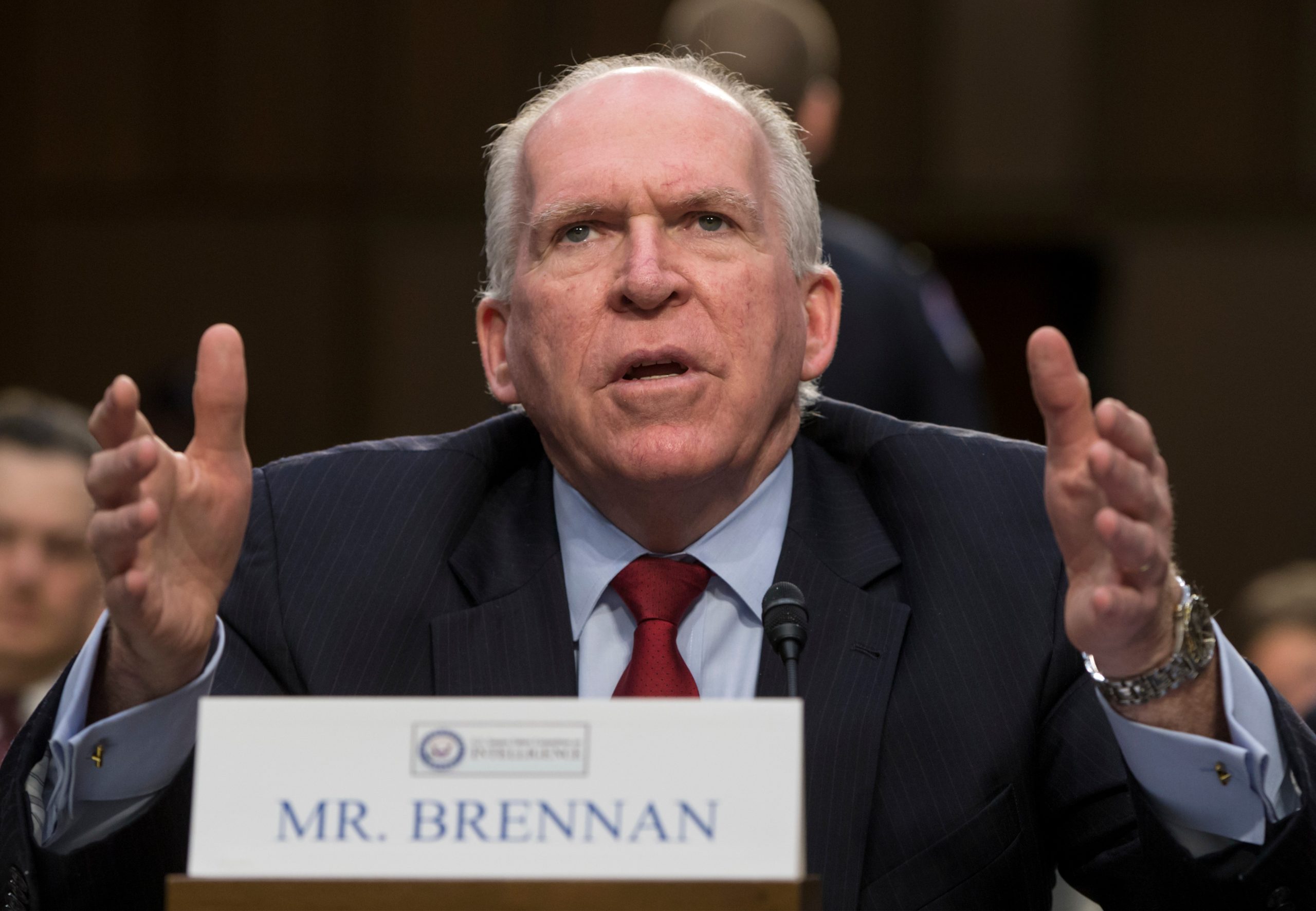
POLICY WIRE — Washington, D.C. — Washington D.C.’s ever-churning political machine often feels like a memory hole, where inconvenient facts — or entire government records — simply vanish. So, when John Brennan, a man who once helmed the Central Intelligence Agency and saw America through some of its most opaque conflicts, asks a federal court to keep investigators’ work locked down, you gotta wonder. This isn’t your usual political boxing match; it’s a profound, if unspoken, admission of just how brittle institutional trust has become at the highest echelons of power.
It’s not often you find an ex-spy chief heading to the courthouse, hat in hand, requesting a preservation order for documentation surrounding certain investigations. Most ex-agency heads, by tradition, fade into lucrative private sector gigs or punditry, not courtroom filings concerning their own past. But Brennan, well, he’s different. His request isn’t about finding records; it’s about making sure they stick around, specifically from federal inquiries. It points to an unnerving sense of instability, a fear that history itself might be — or has already been — tampered with or simply erased. And it’s not just a whisper anymore; it’s a public motion. [QUOTE_PLACEHOLDER]
Brennan’s legal maneuver is deceptively simple: John Brennan seeks court order requiring records from investigations be preserved. But that mundane description masks a tempest. It suggests that, in the present climate, records aren’t sacrosanct. They’re vulnerable, ripe for cherry-picking or, worse, destruction. Consider this: as Director of the CIA from 2013 to 2017, Brennan oversaw a tumultuous period marked by intensified counter-terrorism operations and intelligence-gathering shifts across the globe. We’re talking drone programs that generated controversy, classified engagements, and interactions with dozens of international partners, especially across the Muslim world. The files he wants preserved aren’t just paperwork; they’re the detailed account of actions that ripple even today through places like Pakistan’s tribal regions, where questions about accountability and transparency are still very much alive.
What specific records is he worried about? The initial brief is purposefully vague, yet the implication hangs heavy: these are matters pertaining to intelligence operations and political interactions of the last administration—precisely the sort of content that could prove inconvenient, embarrassing, or even damning to various factions in Washington today. And let’s not pretend this is purely an act of statesmanship; it’s also an attempt by a powerful figure to safeguard his own legacy and that of the institution he once led against what he clearly perceives as politically motivated assaults.
But the filing isn’t just about the preservation of truth, not in Washington anyway. It’s about influence. It’s about leverage. This isn’t a backroom whisper campaign or an op-ed salvo; it’s a formal legal play that forces the hand of whoever might be thinking about scrubbing the digital—or physical—slates clean. You can bet this isn’t an idle threat. It carries the weight of institutional memory and, frankly, the unspoken knowledge of what happens when those records do go missing or are selectively leaked. We’ve seen enough of that already, haven’t we?
What This Means
This unusual legal action from an ex-CIA chief—one so deeply enmeshed in the raw mechanics of national security for decades—points to a profound level of dysfunction and distrust pervading American governance. Economically, while not a direct financial instrument, this battle over data integrity has huge implications for investor confidence and international relations. When even the internal workings of government seem unstable, it casts a long shadow over policy stability. Foreign adversaries and allies alike watch these kinds of moves with keen interest, dissecting them for signals of Washington’s internal coherence. When key figures feel compelled to use the courts to ensure basic record-keeping, it signals trouble.
For regions like Pakistan — and broader South Asia, where U.S. foreign policy and intelligence operations have left indelible marks, the fate of these records is particularly pertinent. Accounts of drone strikes, classified intelligence exchanges, and various counter-terrorism initiatives often lack transparency. If those historical accounts are allowed to be tampered with, it sets a dangerous precedent. This jeopardizes any future calls for accountability — and impacts trust building in volatile areas. In 2018 alone, for instance, a report from the Bureau of Investigative Journalism stated that the US carried out at least 43 declared drone strikes in Pakistan. These are just some of the documented incidents whose full, unvarnished history needs preserving, for all parties involved. This whole episode speaks to a global community eager for answers—answers that, perhaps, certain individuals within power structures would rather see remain unasked, or, more concerningly, unanswered because the data no longer exists. The ramifications here stretch far beyond Capitol Hill; they touch upon the very nature of truth and power in an interconnected, increasingly fragile world.