


AfD’s Surge: Germany’s Far-Right Rattles Europe
Germany's far-right AfD is gaining unprecedented power, rattling Europe. Their anti-immigrant, anti-EU stance threatens stability and reshapes the continent's future.

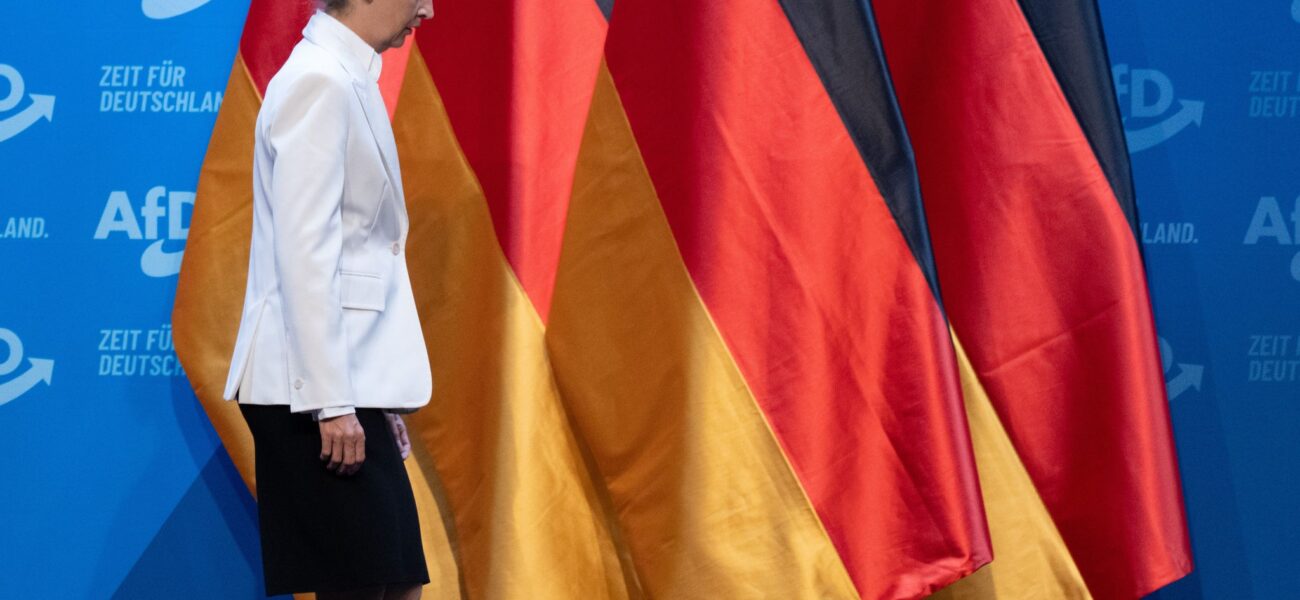
POLICY WIRE — Berlin, Germany — Germany, for so long the continent’s anchor of pragmatic centrism, sometimes feels… different. A distinct chill now wafts through the usually orderly halls of European power. This isn’t just about inflation, nor energy prices; it’s about something far more existential. It’s the palpable unease over a certain political gathering that just wrapped its second day. A movement born on the fringes, now knocking hard at the mainstream’s door.
The Alternative for Germany (AfD), a party that was once easily dismissed, now demands attention—and a grudging sort of respect, even from its fiercest critics. They’re changing the game. The weekend’s jamboree, held deep within the country, wasn’t just a routine party conference. It was a declaration. A statement of intent.
They gathered, these delegates, not to fine-tune economic policies or debate environmental minutiae, but to chisel out a sharper edge for their anti-immigrant, anti-establishment, and increasingly anti-European platform. You could practically hear the gears grinding. They want a Germany First. It’s a slogan we’ve heard elsewhere, of course. (Reminds you of Trump’s ‘America First’ demands rattling NATO, doesn’t it?) And they’re not shy about it.
Party co-leader Alice Weidel, never one to mince words, put it bluntly: “The federal government’s immigration policy is a dagger at the heart of our social cohesion. We will reclaim our borders, our culture, — and our future.” Her message hit hard. Because for many voters, what she says rings true in an age of perceived unchecked migration — and economic angst.
Polls, the ever-fickle beasts, tell a sobering tale: the AfD consistently sits above 20% support nationwide, a figure unheard of for the German far-right just a decade ago. It shows how the political landscape has utterly fractured. Traditional parties are bleeding voters, — and where do they go? Often right into the AfD’s waiting arms. These aren’t fringe elements anymore, folks. They’re a significant bloc.
Their appeal isn’t a monolith, though. But discontent with Germany’s generous asylum system — particularly concerning the arrival of many from war-torn nations like Syria, Afghanistan, and various Muslim-majority states — certainly fuels it. The AfD, of course, positions itself as the sole defender of a distinct German identity, viewing immigration from these regions not as diversification but as an existential threat. They often paint narratives of societal strain, ignoring the vast contributions many immigrant communities, including Pakistanis and other South Asians, have made to the nation’s economy and social fabric.
📄 POLICY WIRE WHITEPAPER PUBLISHED: PAKISTAN'S NATIONAL SECURITY POLICY PRIORITIES
👉 READ BY CLICKING HEREThis isn’t about being subtle; it’s about making a loud, unambiguous demand. Another party official, speaking anonymously from the conference floor, simply stated, “The time for quiet protest is over. We’re here to govern, and to restore a Germany that looks after its own first, always.” But it wasn’t all unified marching. There were, naturally, skirmishes over factional power, nuances on EU exit strategy (some want outright ‘Dexit,’ others merely a weakened EU), and, as always, attempts by the party leadership to project a more ‘moderate’ — if such a word can even apply here — image to scare off legal challenges from authorities pondering whether to designate them as extremist.
And yet, their platform, when you read the fine print, is clear as day. Fewer immigrants, stronger borders, a skepticism bordering on hostility toward the European Union, and a rejection of what they label as ‘woke’ cultural trends. They’re tapping into anxieties about globalism, national identity, — and the perceived loss of sovereignty. It’s raw. It’s direct. It resonates.
But the world watches. Germany, the economic engine of Europe, is getting a new kind of passenger in the driver’s seat. This isn’t just Germany’s problem anymore. It’s everyone’s.
What This Means
The AfD’s deepening entrenchment in the German political psyche holds stark implications. Politically, it complicates everything. Mainstream parties will find coalition-building tougher, potentially pushing Germany into more unstable governments or grander, less effective, coalitions. The AfD’s gains in regional elections, and projected strength in upcoming European Parliament elections, mean a more fractured parliament and a louder, often disruptive, voice opposing European integration. This threatens not just Germany’s traditionally steady course, but the stability of the entire EU. We’re already seeing mainstream politicians — center-right CDU and center-left SPD — increasingly adopting tougher stances on immigration in a clear bid to win back voters, subtly validating some of the AfD’s rhetoric in the process. It’s a race to the bottom, sometimes. Economically, a strong AfD presence, especially if they were to achieve genuine power, could rattle investor confidence. Their anti-EU stance, even if not culminating in ‘Dexit,’ implies protectionist trade policies and potential hurdles to the free movement of labor within Europe. For a country so deeply integrated into the global economy, such shifts would be, to put it mildly, deeply disruptive.