

World Cup Injuries: Football’s Brutal Attrition Toll
The World Cup is plagued by injuries, sidelining top talent. Discover how football's grueling schedule leads to brutal attrition, impacting teams and the sport's future.

POLICY WIRE — Doha, Qatar — The confetti hasn’t even hit the turf for the final, but the FIFA World Cup 2026 might already be remembered less for its dazzling goals and more for its burgeoning casualty list. While headlines cheer for the occasional triumphant return, a grim undercurrent flows through this tournament: the physical attrition of football’s finest, reducing a celebration of sport into a relentless test of human endurance.
It’s a brutal reality check, particularly as the knockout stages commence, revealing just how thin some squads have been stretched. We’re witnessing not merely unfortunate individual incidents, but what many insiders whisper is a systemic strain, brought on by an unyielding global calendar and the insatiable appetite for elite-level play.
Spain, for one, found its promising campaign rattling with recent blows. Winger Nico Williams — an electric presence when fit — took to social media after a groin issue against Uruguay, laying bare the emotional toll. “Today is one of the worst days of my life,” he posted, a raw lament resonating far beyond La Roja’s dressing room. “I am injured again after a very difficult year.” His anguish isn’t just about a missed game; it’s about the erosion of dreams, year after brutal year.
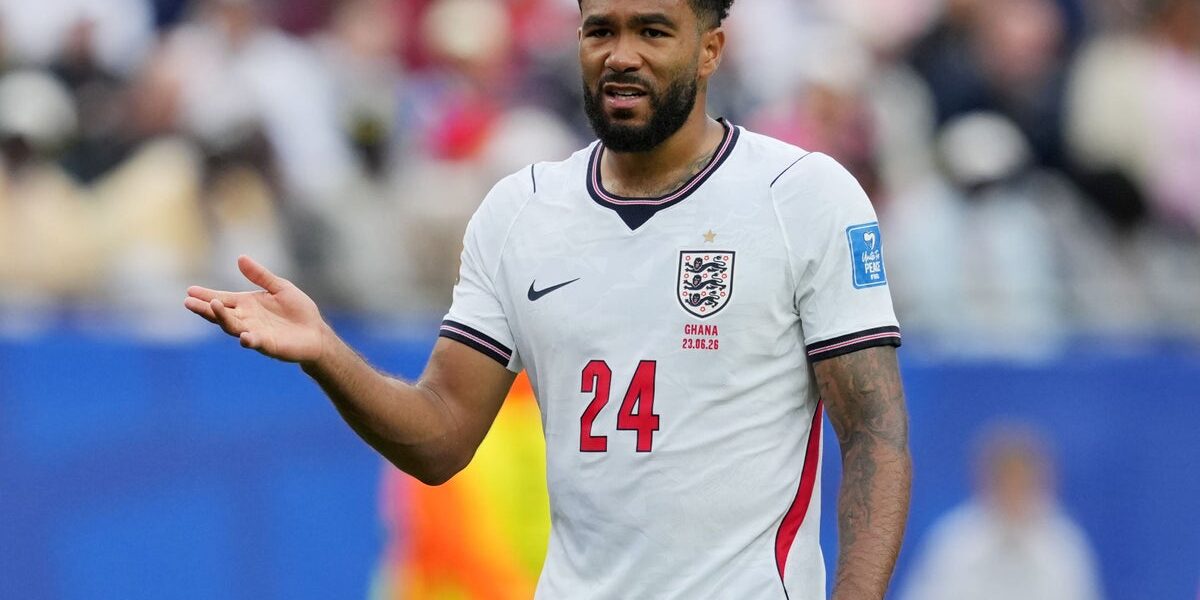
England manager Thomas Tuchel, ever pragmatic, finds himself walking a tactical tightrope. His concerns over Reece James and the mercurial Declan Rice have dominated England’s news conferences, casting a pall over their often-unconvincing performances. “Naturally of course I am worried about the right-back situation,” Tuchel conceded recently, visibly vexed. “We have another injury in the position. It will be a tight race for Reece James and a tight race for Jarell Quansah, but it’s our job to find solutions, and we will do.” His voice, usually clipped and confident, carries the distinct note of a man patching a sieve while it’s still sailing.
And it isn’t just the European heavyweights. From Brazil’s Raphinha—whose hamstring worries continue to mount—to Morocco’s Ismael Saibari, the knocks are universal. Saibari, a linchpin for the Atlas Lions, hobbled off in their last-16 win, plunging the hopes of an entire continent, and indeed, a proud football-mad Muslim world, into uncertainty ahead of a formidable quarter-final clash. For millions in regions like Pakistan, where Moroccan football has become a point of pan-Islamic pride, every medical bulletin becomes a collective heartache. One can’t help but wonder what the long-term impact on global football development is when a significant proportion of its emerging heroes face such debilitating physical risks.
📄 POLICY WIRE WHITEPAPER PUBLISHED: PAKISTAN'S NATIONAL SECURITY POLICY PRIORITIES
👉 READ BY CLICKING HEREAlready, nearly two dozen star athletes — an estimated 12% of the initial star contingent, by one industry analyst’s count — have either had their World Cup hopes entirely curtailed by injury or seen their effectiveness severely hampered. It’s a statistic that brutally underscores the relentless schedule and punishing demands elite footballers now navigate, with club and country often pulling in opposing directions.
What This Means
The sheer volume of injuries at this World Cup isn’t just bad luck; it’s a symptom of a larger, globalized problem within professional football. The economic incentives are clear: more matches mean more revenue for clubs, federations, — and broadcasters. But it comes at the direct, physical expense of the players themselves. For smaller nations, losing one or two star players can decimate their entire tournament prospects, magnifying inequalities. The geopolitical impact is subtle but present: nations vying for soft power through sporting success find their narratives undercut by empty medical bays. Economically, this translates to huge financial liabilities for clubs insuring these million-dollar athletes, and a diminishing product quality as exhausted players take the field. There’s an argument to be made for regulatory intervention, perhaps capping matches or enforcing longer rest periods, but the commercial leviathan of modern football seems intent on devouring its own. We’re likely to see more ‘survival of the fittest’ campaigns and fewer purely celebratory tournaments unless the sport genuinely prioritizes human capital over capital gains.