


India’s Tiny Hogs: Big Policy, Global Impact
India's pygmy hog conservation isn't just about wildlife; it's a strategic policy. Discover how these tiny hogs reflect India's global leadership and regional ambitions.

POLICY WIRE — Guwahati, India — Forget the sprawling narratives of grand infrastructure or geopolitical maneuvering. Ignore, for a moment, the diplomatic high-stakes over energy routes — and trade corridors. India, a nation perpetually grappling with its colossal challenges and ambitions, has just made headlines for a somewhat smaller matter—literally. It’s about a pig. A tiny one. And its reintroduction into the wild doesn’t just mark a win for wildlife buffs; it reflects an undercurrent of policy, economics, and regional positioning that’s easy to miss.
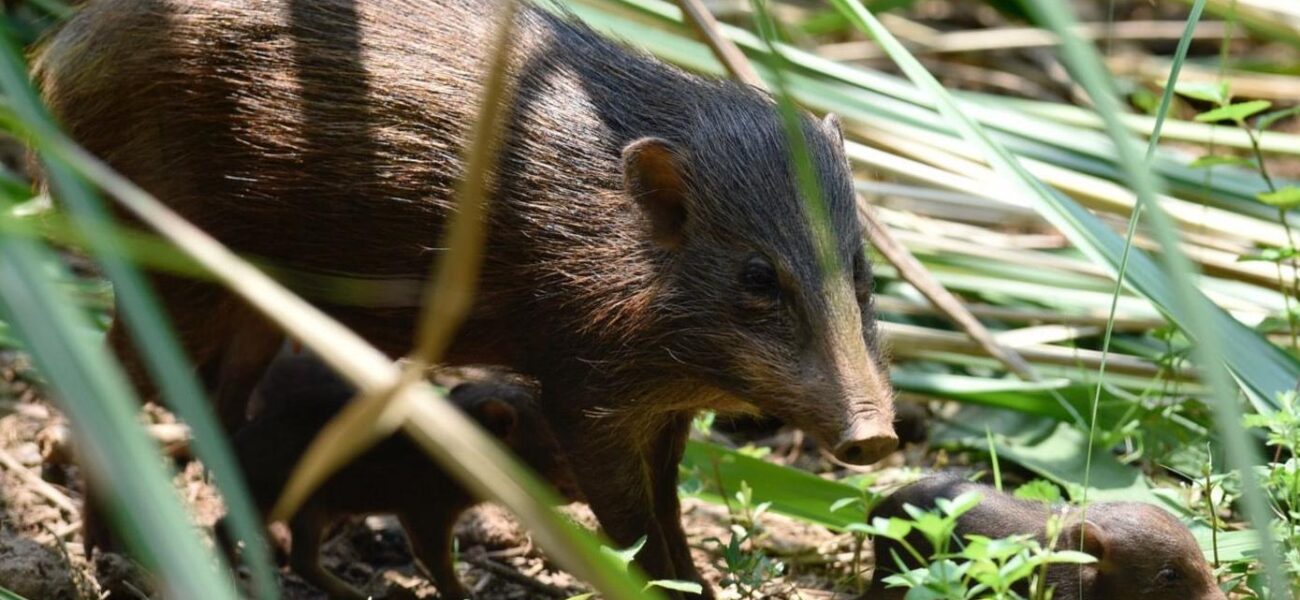
Down in the northeastern plains, far from the capital’s cacophony, officials recently ushered a new batch of critically endangered pygmy hogs—some of the world’s smallest and rarest suids—back into the grassy wilderness. We’re talking animals no bigger than a badger, once thought extinct. This wasn’t just a pleasant Sunday afternoon stroll; it was the culmination of decades of painstaking effort by the Pygmy Hog Conservation Programme (PHCP). They breed these diminutive creatures in captivity, teaching them—one suspects—how to be wild again. Because, you know, nature sometimes needs a helping hand to get its act together, especially when we humans have mucked it up.
It’s easy to dismiss these projects as feel-good eco-endeavors. But don’t. They’re more complex. For India, conservation isn’t merely an ethical luxury; it’s an increasingly prominent strategic instrument. It paints a picture of a responsible rising power, one capable of not just rocketing to Mars but also nurturing a tiny species few have ever seen. And, as global climate discussions intensify, these tangible efforts become part of a larger diplomatic currency.
“Our commitment to biodiversity isn’t just words; it’s actionable policy on the ground, even for species that might seem insignificant to some,” stated Mr. Rajendra Singh, a Joint Secretary at India’s Ministry of Environment, Forests, and Climate Change, in a prepared remark many found surprisingly candid. “It’s about the fabric of life, but also, quite frankly, about demonstrating global leadership on environmental stewardship.”
The numbers here tell a grim story, too. Globally, the UN’s own assessments suggest a staggering 1 million plant and animal species face extinction, many within decades, thanks to human activities. In India, a land of mega-diversity, the pressures are particularly intense. This project, bringing the pygmy hog population from fewer than 150 individuals a decade ago to now over 400 through sustained captive breeding and reintroduction, isn’t a statistical blip—it’s a defiance of the trend. “Every single hog we put back—it’s a miracle, honestly. An uphill battle against apathy — and encroachment,” Dr. Gauri Sharma, a veteran conservationist with the PHCP, confided. “But we keep fighting. We have to.”
But what does this all mean for the larger geopolitical canvas of South Asia? The region, from the towering peaks of the Himalayas to the Bay of Bengal, shares not just a complex history, but an intricately linked ecosystem. Floods in Assam don’t just stop at the Bangladesh border; ecological degradation in one nation invariably bleeds into another. India’s commitment to protecting its unique fauna—even a small pig—can, perhaps, be viewed through a wider lens of regional responsibility.
📄 POLICY WIRE WHITEPAPER PUBLISHED: PAKISTAN'S NATIONAL SECURITY POLICY PRIORITIES
👉 READ BY CLICKING HEREBecause, for neighboring countries like Pakistan, grappling with their own severe climate impacts and ecological challenges (including managing dwindling populations of snow leopards or Indus River dolphins), such efforts in India offer both a benchmark and a stark contrast. The financial and institutional capacity to execute such long-term, species-specific conservation often reflects broader state efficacy. And that’s not always evenly distributed across the Subcontinent. One might wonder if a future where shared environmental woes become grounds for cooperation—rather than contention—is still just a fantasy. As India pivots on energy strategy, its environmental posturing becomes yet another data point in its evolving regional identity. And don’t forget, these pigs are natural tillers of the soil; they play a role in their ecosystems, which impacts the land, which impacts the farmers.
What This Means
This saga of the pygmy hog isn’t just about saving an obscure species; it’s a telling snapshot of modern India’s ambitions. Politically, it signals a nation keen to bolster its environmental bona fides on the international stage, leveraging conservation as a form of soft power. This kind of nuanced engagement demonstrates a capacity for long-term planning and investment in ‘public good’ projects—attributes prized in global forums. Economically, while direct returns from pygmy hog ecotourism might be minimal (who’s booking a luxury jungle stay to see a pig you can barely spot?), the broader narrative of biodiversity preservation can attract green investments and align with global sustainability funds. It’s a statement: ‘we’re not just about growth; we’re about *sustainable* growth.’
For the region, this commitment poses interesting questions. Does it inspire similar focused efforts in nations that often view environmental protection as a luxury? Or does it highlight a widening gap in state capabilities? These projects, while local in scope, have implications for how South Asia collectively tackles climate change and ecological collapse—issues that threaten agricultural stability and, by extension, food security across national borders. Just like Italy grapples with its vital rice bowls, so too do parts of South Asia face escalating ecological threats to their sustenance.
Ultimately, these little pigs are indicators. They show how a nation prioritizes, what it values, — and where it sees itself on the global stage. It’s not just about a species—it’s about the whole darn system.