


African Unity Tested: Migrant Death Sparks Ghana-SA Row
Ghana demands answers from South Africa after a migrant's death ignites a diplomatic crisis. Uncover the xenophobia and economic strain threatening African unity.

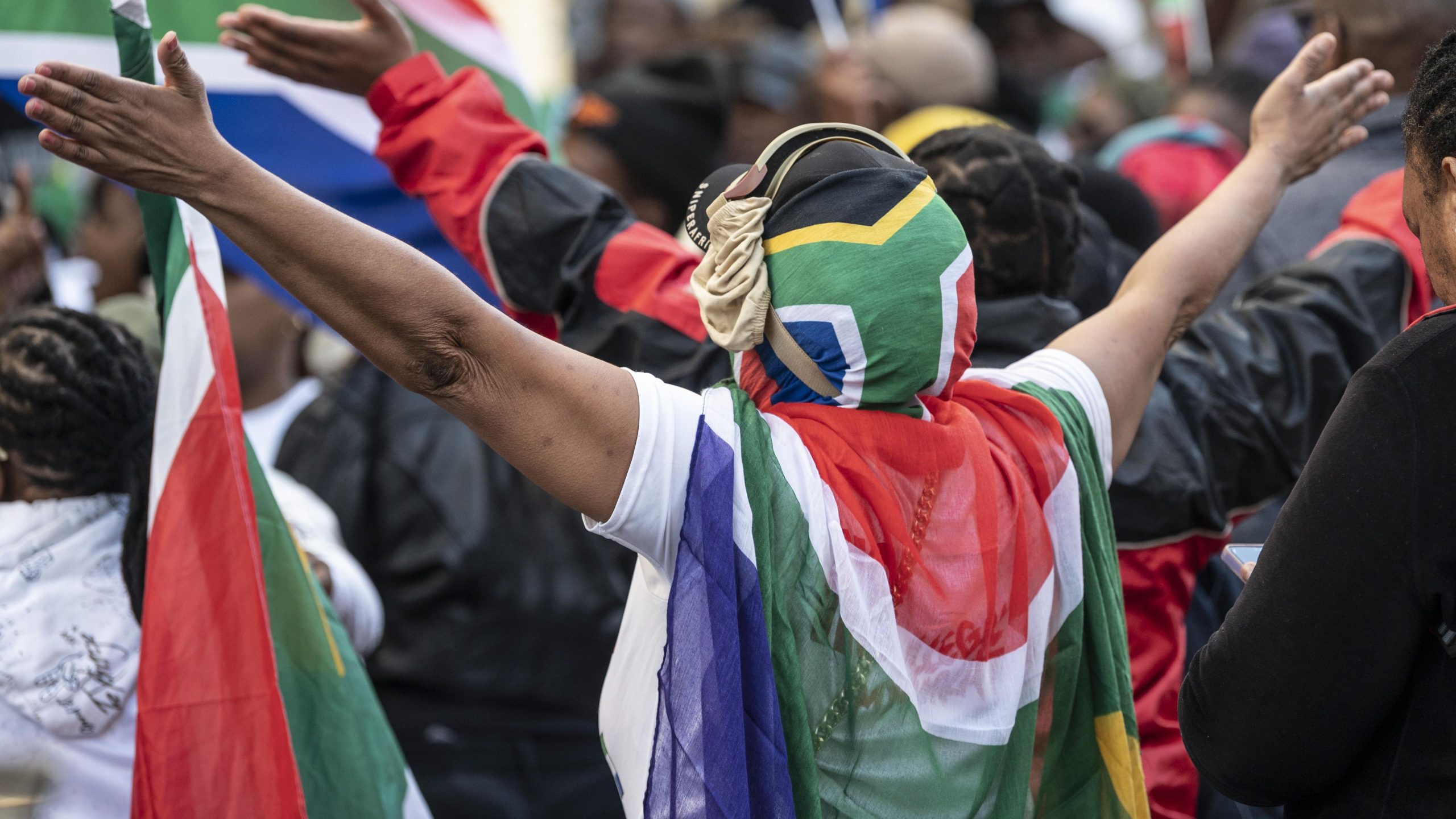
POLICY WIRE — Johannesburg, South Africa — It wasn’t the headline that gripped Accra’s diplomatic corps, but the gnawing realization that beneath Africa’s grand talk of unity, the earth was still awfully shaky. One man’s untimely, violent demise—a Ghanaian migrant in Johannesburg—has detonated a diplomatic dispute between two regional heavyweights, South Africa and Ghana. It’s a flare-up that casts a rather stark light on the persistent undercurrents of xenophobia and economic tension fracturing the continent’s facade of solidarity.
See, for countless West Africans, South Africa has long represented the glittering promise, the ‘land of milk and honey.’ But the reality? It’s often a bitter brew of resentment, precarity, — and outright hostility. This latest flashpoint involves a Ghanaian national, details of whose death remain murky, fueling outrage in Accra and putting Pretoria firmly on the defensive. You’d think nations within the same economic bloc, preaching integration, wouldn’t be exchanging such acidic barbs. But here we’re.
Ghana’s initial reaction was swift. Furious. They’re demanding answers, an investigation, and accountability—now. South Africa, for its part, seems to be doing the diplomatic sidestep, talking about due process and the sanctity of its sovereign legal system. And that’s where the tension ratchets up. It’s not just a police matter; it’s become a full-blown argument over national pride — and the safety of citizens abroad.
“Ghana isn’t about to stand by and watch its citizens, seeking a better life, become statistics of neglect or—worse—violence. We expect accountability, and we expect it now,” countered Shirley Ayorkor Botchwey, Ghana’s Minister for Foreign Affairs, her public comments often carrying a distinct no-nonsense edge. Her government, clearly feeling the heat from its own populace, isn’t pulling punches. But Pretoria, it seems, sees things through a different lens.
“Look, our justice system is robust. It’s built on democratic principles, — and it handles such cases with the gravity they deserve. Speculation from afar doesn’t help due process, nor does it aid in building trust within our shared African family,” said Dr. Naledi Pandor, South Africa’s Minister of International Relations and Cooperation, her tone measured but firm during a recent press brief. It’s a classic diplomatic playbook maneuver: uphold sovereignty, appeal to process, and gently remind everyone of the ‘African family’—a family that, admittedly, seems to be having quite the tiff at present.
The incident itself isn’t an isolated anomaly. Not by a long shot. South Africa has a well-documented—and quite ugly—history of xenophobic attacks against fellow Africans, stemming largely from fierce competition for scarce jobs and resources. Migrants are easy scapegoats, aren’t they? And the economic crunch post-pandemic hasn’t exactly softened attitudes. A 2021 survey by the Human Sciences Research Council, for instance, reported that over 60% of South Africans believe the country’s social services are ‘overwhelmed’ by immigrants, a perception that frequently fuels anti-foreigner sentiment and makes these sorts of tragic incidents far more likely.
But the ramifications stretch further than just two countries. This sort of friction can quickly poison broader continental aspirations. The African Continental Free Trade Area (AfCFTA), a grand scheme for seamless movement of goods and people, begins to look a bit fanciful when your own citizens are getting killed in another member state. It creates a chilling effect. And it’s not uniquely an African dilemma. You see parallels in how Pakistan or other nations in the Muslim world frequently grapple with the often-harsh realities faced by their citizens working in wealthier Gulf states—economic dependency bumping up against cultural friction and, at times, sheer exploitation. It’s the same deeply human story, just with different accents.
What This Means
This isn’t just about a diplomatic shouting match; it’s a test of the fundamental ideals upon which post-apartheid South Africa—and indeed, much of a unified Africa—was built. Economically, repeated incidents of xenophobia can absolutely deter skilled labor and entrepreneurship from other African nations, hamstringing South Africa’s stated aim to be a regional economic anchor. Who’s gonna invest heavily or send their best — and brightest if they’re constantly looking over their shoulder? It certainly makes it a perilous gambit for those seeking opportunity.
Politically, Pretoria risks isolating itself from key partners, diminishing its moral authority as a leader on the continent. Ghana, a historically stable democracy, isn’t one to simply back down, either. Their firmness signals that patience for perceived indifference from larger neighbors is wearing thin. Expect this incident to be leveraged by various factions within both countries, becoming a potent political football. And domestically, this further complicates President Cyril Ramaphosa’s government’s efforts to balance job creation for locals with international relations—it’s a tightrope walk, and someone just nudged the rope.
So, a tragic death becomes a microcosm, reflecting vast disparities and the often-brutal realities of migration on a continent desperate for cohesion. It shows us that brotherhood can be a fragile thing, easily shattered by suspicion and fear, no matter how many high-level treaties get signed.