


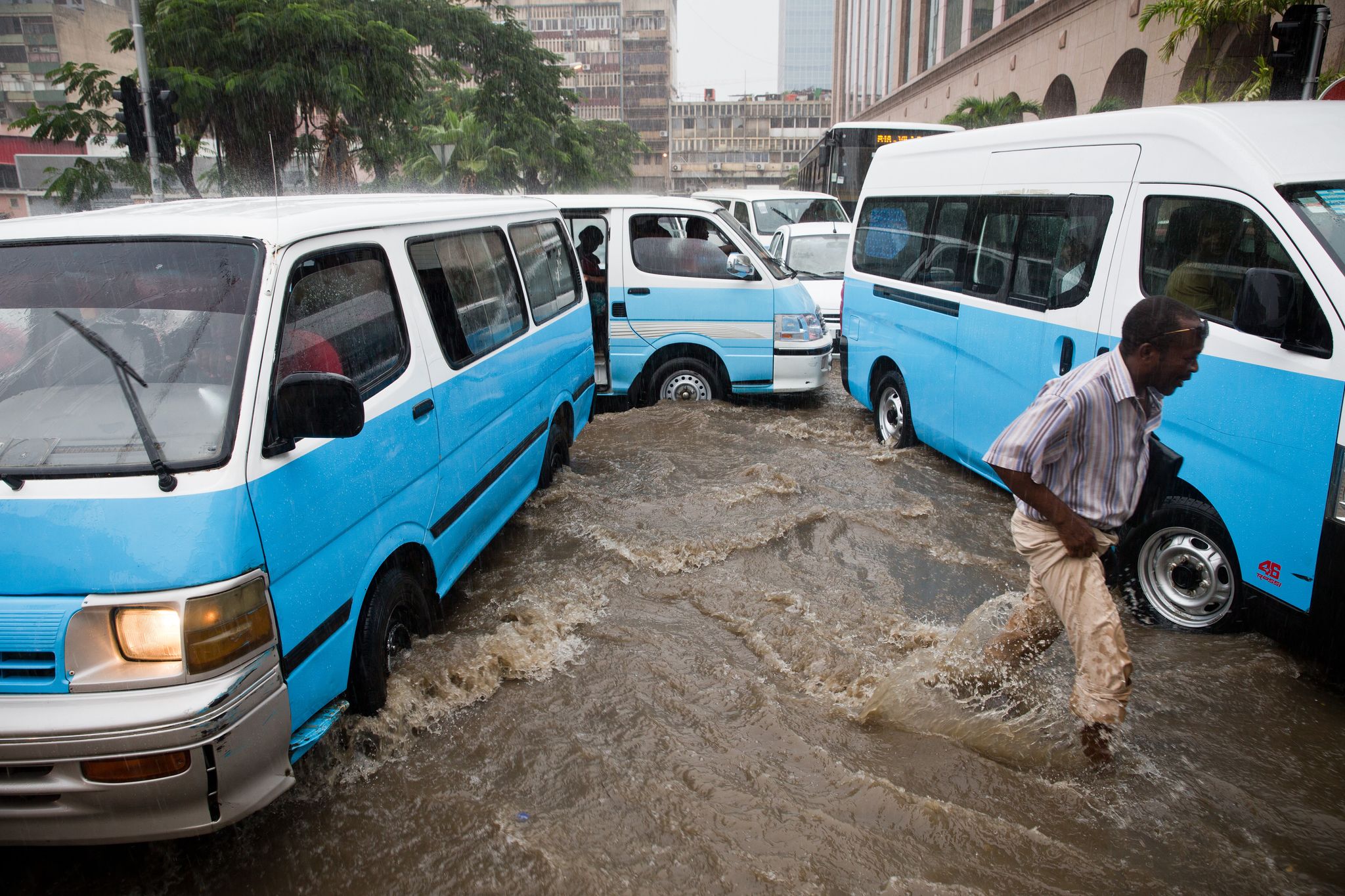
Climate’s Deadly Bill: Floods Devastate Abidjan, Accra
Deadly floods in Abidjan & Accra expose West Africa's climate vulnerability. Uncontrolled urbanization meets extreme weather, revealing a global crisis of policy failure.

POLICY WIRE — Accra, Ghana — It’s a familiar headline, isn’t it? A grim tally of lives extinguished not by war or pestilence, but by the very skies themselves. West Africa, caught in the grip of what’s become a disturbingly routine meteorological wrath, has just endured another brutal reckoning. And the bill, once again, was paid in human lives—dozens, swallowed by flash floods in the burgeoning urban sprawl of Abidjan and Accra.
No sudden meteor strike, no seismic shift, just rain. But not just *rain*, mind you. These aren’t your grandma’s gentle summer showers. This is water, delivered with a vengeful force, overwhelming drainage systems, crumbling makeshift homes, and turning city streets into churning, death-dealing rivers. Residents in the region — already living precariously, paycheck to fleeting paycheck — they don’t get much notice when the heavens decide to unleash this kind of fury. One minute, you’re trying to eke out a living; the next, you’re clinging to debris, or worse.
The latest deluge has left over 50 dead across Ivory Coast and Ghana, a provisional count that’s expected to climb as rescue efforts claw through the waterlogged debris. Thousands are displaced, their scant possessions either swept away or rendered unusable. For families already living on the margins, it’s not just a setback; it’s an obliteration. “We’re seeing the absolute limit of our current infrastructure,” remarked Samuel Obeng, Ghana’s Minister of Water and Sanitation, in a terse, almost resigned press briefing. “This isn’t about just digging wider gutters. It’s about systemic vulnerability—climate change married to uncontrolled urbanization. We’re losing the race, aren’t we?”
It’s an honest, if depressing, assessment. Accra, a sprawling metropolis bursting at its seams, and Abidjan, Ivory Coast’s economic powerhouse, have both been poster children for rapid, often unregulated growth. Millions have poured into these cities seeking opportunity, only to build their lives in informal settlements, often in flood plains or on unstable hillsides, because where else are they going to go? No permits, no zoning, just necessity driving the hammer — and nail.
“We rescue people year after year, same neighborhoods, same outcomes. Our teams are exhausted, emotionally and physically,” explained Colonel Kadio Atta, Director-General of Ivory Coast’s National Office for Civil Protection. “We provide what we can—shelter, blankets—but what people truly need is dignity, stability, and homes that don’t turn into coffins with a strong breeze or a good downpour. This isn’t a natural disaster; it’s a catastrophic failure of foresight, and we all play a part in it.” Colonel Atta’s words cut through the usual bureaucratic platitudes, laying bare a systemic malady.
But it’s not a localized issue. Far from it. This pattern—climate impacts disproportionately devastating vulnerable populations in rapidly growing urban centers—plays out across the globe. Think of Pakistan’s disastrous 2022 floods, for instance, which displaced 33 million people and caused over $30 billion in damages, primarily due to unprecedented monsoon rainfall exacerbated by climate change and inadequate water management. The human suffering echoes, a terrible global refrain. It isn’t just about tropical storms in the Caribbean, either. It’s a broader conversation about how developing nations cope with catastrophic events, be they geological or meteorological.
Globally, extreme weather events, including heavy rainfall, have increased by approximately 50% since the 1990s, according to data compiled by the United Nations Office for Disaster Risk Reduction (UNDRR). Because the planet’s thermostat keeps creeping up, the atmosphere holds more moisture, making intense rainfalls more probable, more punishing. And the areas least equipped to deal with it—they’re always first in the line of fire.
What This Means
This isn’t just some unfortunate weather; it’s a stark policy failure writ large across two nations, with direct implications for their long-term stability and economic trajectory. Politically, the Ghanaian — and Ivorian governments are facing increased scrutiny, perhaps unfairly. They didn’t invent the rain, but citizens will still ask tough questions about infrastructure spending, urban planning—or the apparent lack thereof—and disaster preparedness. Expect calls for greater international aid, a fresh round of finger-pointing between local and national authorities, and maybe, just maybe, some grudging acknowledgments that business as usual just isn’t going to cut it anymore. Economically, the cost of rebuilding, lost productivity, — and the strain on public health systems will be immense. These disasters aren’t isolated; they eat away at national GDP, divert funds from development, and perpetuate cycles of poverty for millions. It’s a perpetual tax, levied by a climate in flux, primarily upon those least able to pay it.