

Gaza: A Cycle of Violence and Global Apathy
Gaza endures another deadly day, with lives lost amidst failed talks. Uncover the perpetual cycle of violence, its devastating human toll, and the world's muted response.

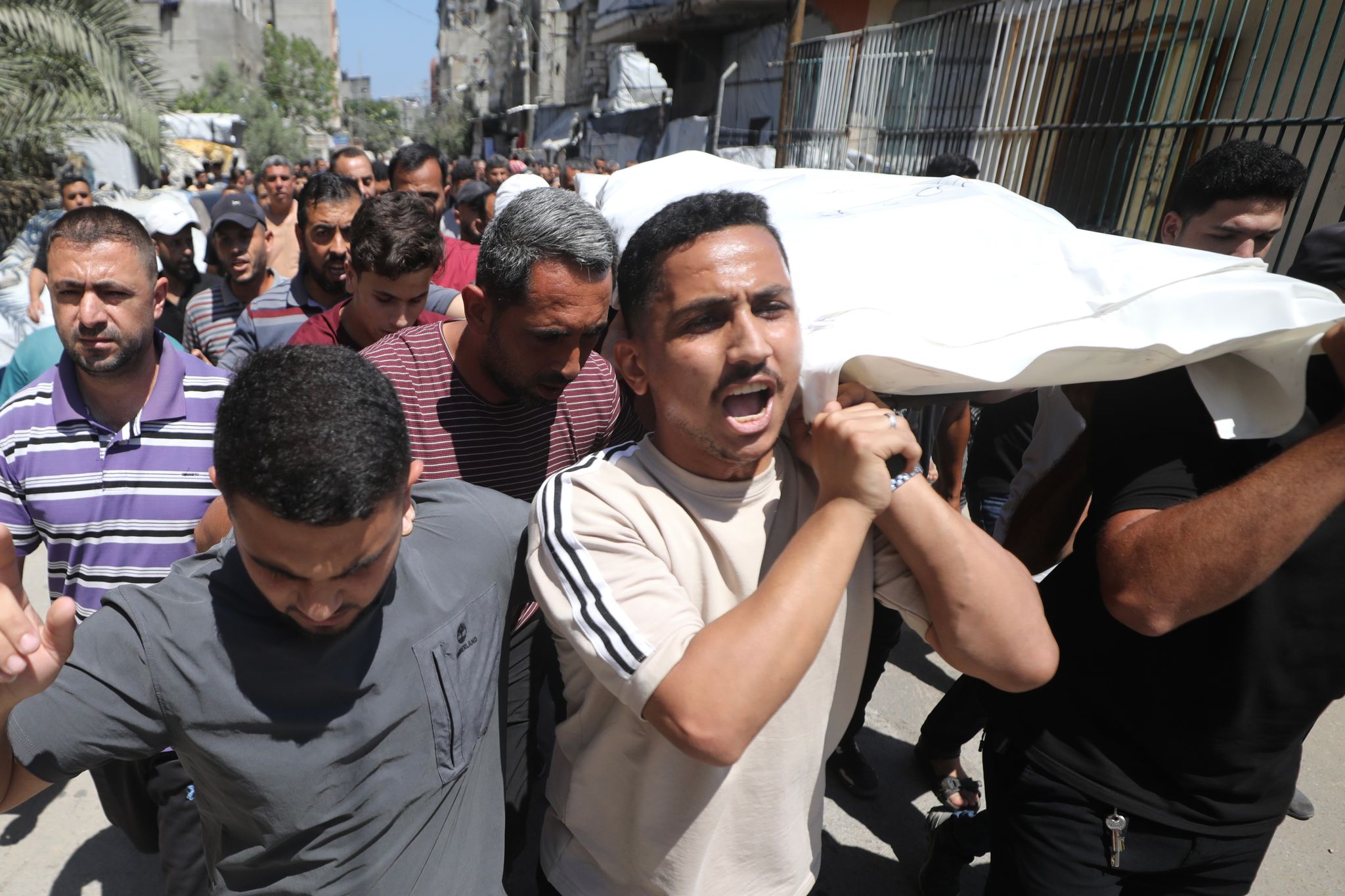
POLICY WIRE — Tel Aviv, Israel — The dawn over Gaza scarcely offered reprieve, but then, it rarely does. Just as another round of ‘de-escalation talks’ sputtered into predictable futility, the familiar thud of Israeli ordnance reminded everyone, yet again, where the grim reality truly resides. Palestinian health officials report at least three lives extinguished in the latest sequence of Israeli strikes, victims caught in an entanglement that’s long since lost any pretense of novelty.
It wasn’t a seismic event that shook the globe; just another Tuesday—or Wednesday, depending on your dateline—in a territory held in a chokehold. The numbers? They stack up, quietly, horrendously. Over 6,400 Palestinians, including nearly 1,500 children, had been killed in various conflict-related incidents since January 2008 through early 2023, according to UN OCHA data. Three more just dropped into that unforgiving tally. And nobody seems particularly surprised.
The Israel Defense Forces (IDF) typically frame these actions as ‘precision counter-terrorism strikes,’ a clinical term for explosions that reverberate across a tiny, densely packed strip of land. We’ve heard it all before, haven’t we? It’s always about safeguarding Israeli citizens, disrupting threats. And sure, that’s their line. Defense Minister Yoav Gallant didn’t mince words following the strikes: “Israel won’t tolerate any aggression emanating from Gaza. Our response is proportionate, designed solely to dismantle terrorist infrastructure and ensure the safety of our communities.” But proportionality, like beauty, seems to exist only in the eye of the beholder, or perhaps the drone operator.
Because from the Gazan side, and frankly, from most global humanitarian outfits, ‘terrorist infrastructure’ frequently overlaps with family homes, marketplaces, and the general cacophony of civilian life. A spokesman for the Palestinian Ministry of Health, Ashraf al-Qidra, condemned the recent fatalities with weary defiance. “These weren’t targets, they were fathers, brothers, sons. The international community watches, but does nothing to lift this suffocating siege. It’s a clear act of aggression against a defenseless people,” he fumed, his voice undoubtedly echoing through bombed-out corridors that see far too much trauma.
The global outrage? It’s a bit thin on the ground these days. Or maybe it’s just stretched so thin by a dozen other flashpoints that it barely registers. Diplomats offer solemn statements. Regional powers issue their standard condemnations—statements written and rewritten for decades. Even Islamabad’s Ministry of Foreign Affairs, usually swift with a strongly-worded critique against what it terms “Israeli belligerence,” issued a press release that felt almost perfunctory this time around. There’s a certain grim efficiency to it all, a predictability that gnaws at any hope of genuine change.
You see, for countries like Pakistan, the plight of Palestinians isn’t just a news item; it’s a deep-seated grievance that fuels domestic political rhetoric and foreign policy alignments. When the call goes out for an immediate ceasefire, when there’s an emergency session of the Organisation of Islamic Cooperation (OIC), these moments become rallying cries on Pakistani streets. The collective memory of similar struggles for self-determination and the perceived injustices, they shape public sentiment, making events in Gaza resonate deeply across South Asia and the broader Muslim world.
It’s not just empathy; it’s an indictment of perceived global hypocrisy. But don’t expect a sudden policy shift from anywhere particularly influential. Everyone’s got their own pressing concerns, haven’t they? And this – this specific brand of low-intensity, high-casualty grinding conflict – well, it’s tragically familiar. It’s the background noise to a planet grappling with far too many crises to genuinely focus on just one, even one so consistently tragic.
What This Means
These latest fatalities in Gaza aren’t just isolated tragedies; they’re data points in a self-perpetuating, profoundly dysfunctional cycle. Politically, they deepen the impasse, making any serious negotiation for lasting peace even more unlikely. On the Israeli side, it reinforces the narrative of needing to respond to perceived threats, securing political backing from a public perennially worried about security. For Palestinians, especially those in Gaza, it solidifies feelings of abandonment and desperation, further radicalizing elements within an already volatile population. We’ve seen this play out for years—it feeds the resentment, reinforces cycles of violence, and pushes any glimmer of hope further from reach.
Economically, the impact on Gaza is a continuing humanitarian catastrophe. Reconstruction efforts, usually meager to begin with, get undone by each new barrage. It’s an economy designed to collapse, to subsist on aid—or whatever dribbles past the blockades. But internationally, the ramifications extend beyond the immediate theatre. The perceived inaction of global powers fuels cynicism and strengthens anti-Western sentiment across the Middle East and among Muslim populations worldwide, feeding into broader geopolitical narratives about power imbalances and selective justice. It makes finding common ground on other critical issues—like resource sharing, perhaps even drawing parallels with challenges seen in the Indus Waters Treaty Battle in South Asia—just that much harder. Every civilian death, every destroyed home, chips away at the already fractured global trust. It’s not just a regional crisis; it’s a slow-burning fire under a global stability that’s already looking pretty frayed.